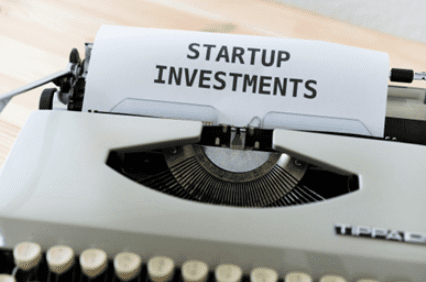
Every world-changing company starts as a spark—an idea scribbled on a napkin, a problem begging to be solved. But vision alone doesn’t build a business. Today’s most successful founders know that getting the right start matters just as much as having the right idea. Turning a bright idea into a viable business? That takes more than grit and a garage. It requires structured guidance, support from individuals who’ve been there, and access to resources that most early-stage founders lack. That’s where startup schools come in, equipping aspiring entrepreneurs with the tools, mindset, and network to go from concept to company with clarity and confidence.
What is a Startup School?
Startup schools are structured programs or online platforms designed to help aspiring founders move from concept to company. Think of them as crash courses in entrepreneurship—but with more relevance than your average MBA program and less pressure than a traditional accelerator.
Many are free or low-cost. Some offer coaching, others community. Most include a practical curriculum that covers everything from product-market fit and customer acquisition to pitching investors and building a sustainable business model.
One well-known example is Y Combinator’s Startup School, a free online program created by the legendary Silicon Valley accelerator. It offers founders weekly lessons, access to startup advice, and a global community of entrepreneurs. Since its launch, it has helped more than 100,000 founders build their companies.
Other programs, such as the Founder Institute or Techstars’ pre-accelerator programs, combine live mentorship with local or virtual cohorts, creating a community-focused experience that balances education and accountability.
Who Are These Programs For?
Startup schools are ideal for:
- First-time founders testing an idea.
- Founders from non-business backgrounds (e.g., engineers, scientists, artists).
- Aspiring entrepreneurs who want to learn before quitting their day jobs.
- Small teams with a prototype but no product/market traction.
What they offer is clarity—and a chance to avoid common (and costly) mistakes.

Startup School vs. Business School vs. Accelerator
It’s easy to confuse startup schools with more traditional business training, but the models serve different purposes.
- Startup schools focus on foundational entrepreneurship—helping you validate ideas, understand your market, and build business basics—all at a low to moderate time commitment, often with little to no cost.
- Business schools, such as MBA programs, offer a comprehensive education in finance, management, and leadership, typically requiring one to two years of full-time study and a substantial financial investment.
- Accelerators, on the other hand, are designed for early-stage startups ready to scale. They’re fast-paced, typically lasting three to six months, and often require giving up equity in exchange for funding, mentorship, and investor access.
For aspiring founders, startup schools are a smart way to build knowledge and momentum before diving into bigger commitments. The startup school model fills a crucial gap—it helps validate your idea before you quit your job or relinquish your equity.
What to Expect from a Great Startup School
While formats vary, most high-quality startup schools offer a few key pillars:
Curriculum That Matters
Forget generic business plans. Startup schools focus on real-world tactics, including how to interview customers, test prototypes, and achieve early traction. Programs like Y Combinator’s Startup School or Google for Startups offer these kinds of resources on demand.
Mentorship & Community
Startup schools often provide mentorship from experienced founders and investors. Programs like the Founder Institute use a cohort model, connecting participants with peers and local leaders.
Pitch Preparation & Funding Insights
While most startup schools don’t write checks, many help prepare founders for funding—teaching them how to write a cold email, structure a pitch deck, and find the right investor fit.
Global Access, Local Flavor
The rise of remote programming has made startup schools more accessible than ever. Whether you’re in Lagos or Los Angeles, you can now access high-quality training and networks.
Where Singularity University Fits In
While not a “startup school” in the classic sense, Singularity University plays a key role in shaping visionary founders. Singularity focuses on solving global challenges through the lens of exponential technology—think AI, synthetic biology, and advanced robotics.
Their Executive Program is designed for innovators with bold ambitions and a desire to scale meaningful change. For aspiring founders who want to build not just a product, but a purpose-driven company with global impact, Singularity offers an edge that few programs can match.
As Singularity’s alum community demonstrates, many participants have gone on to launch startups addressing a range of issues, from climate change to longevity and education equity. It’s a startup school for the exponential age.
The Value of Learning Before Leaping
In the startup world, moving fast is glorified, but learning fast is what really matters. Startup schools give entrepreneurs the space to iterate, fail safely, and ask better questions. They help you test whether your idea is a business or just a hunch.
In today’s complex market, simply having an idea isn’t enough. You need a framework to turn that idea into value. That’s what startup schools deliver—not just theory, but traction.
The road to building a startup is anything but linear. But that doesn’t mean you have to go it alone. Whether you’re dreaming up a climate tech venture or building an app in your spare time, a startup school can give you the tools, support, and confidence to move forward.
And if your idea is big enough to shift the world? There are programs, like those at Singularity, designed to help you do just that.