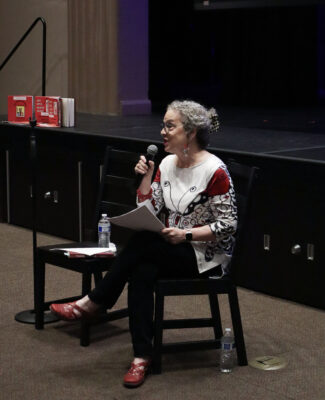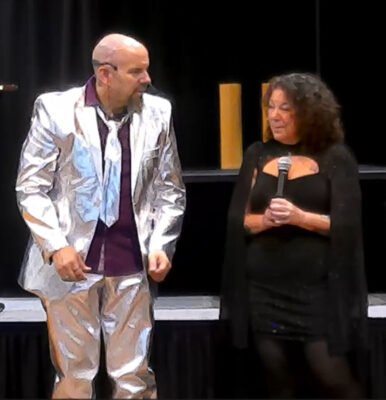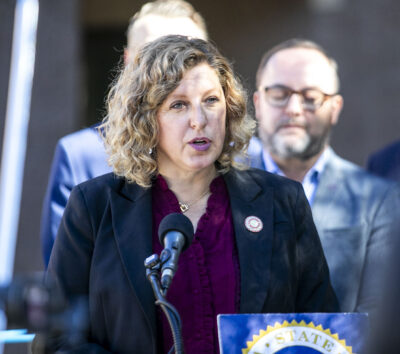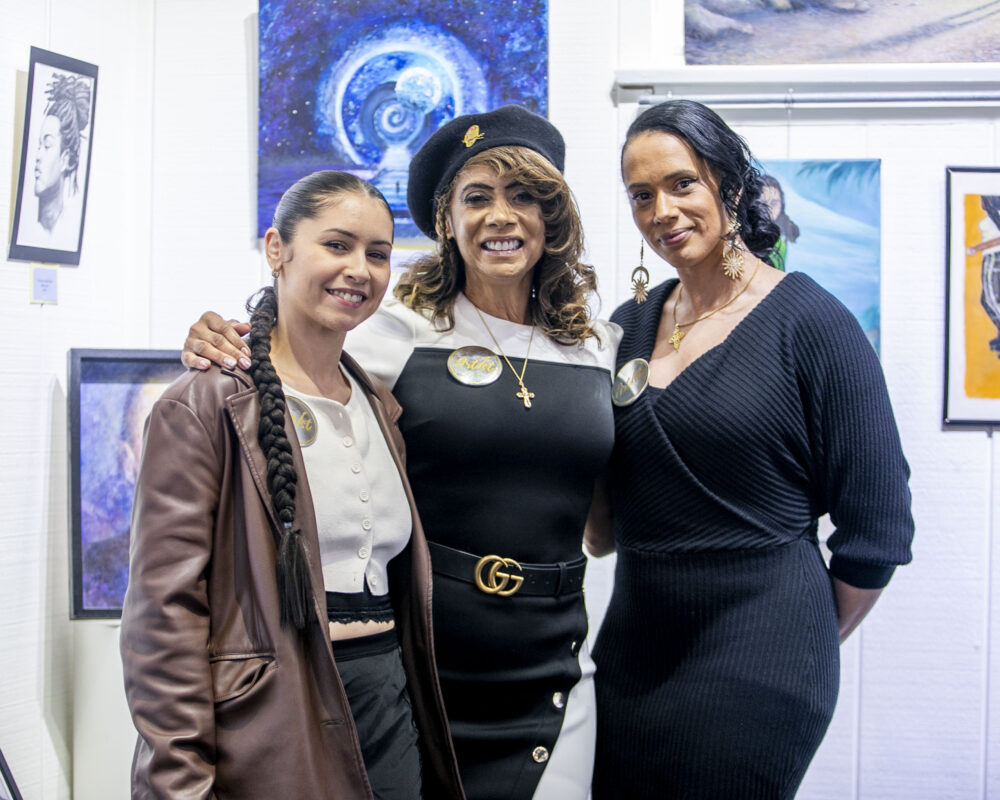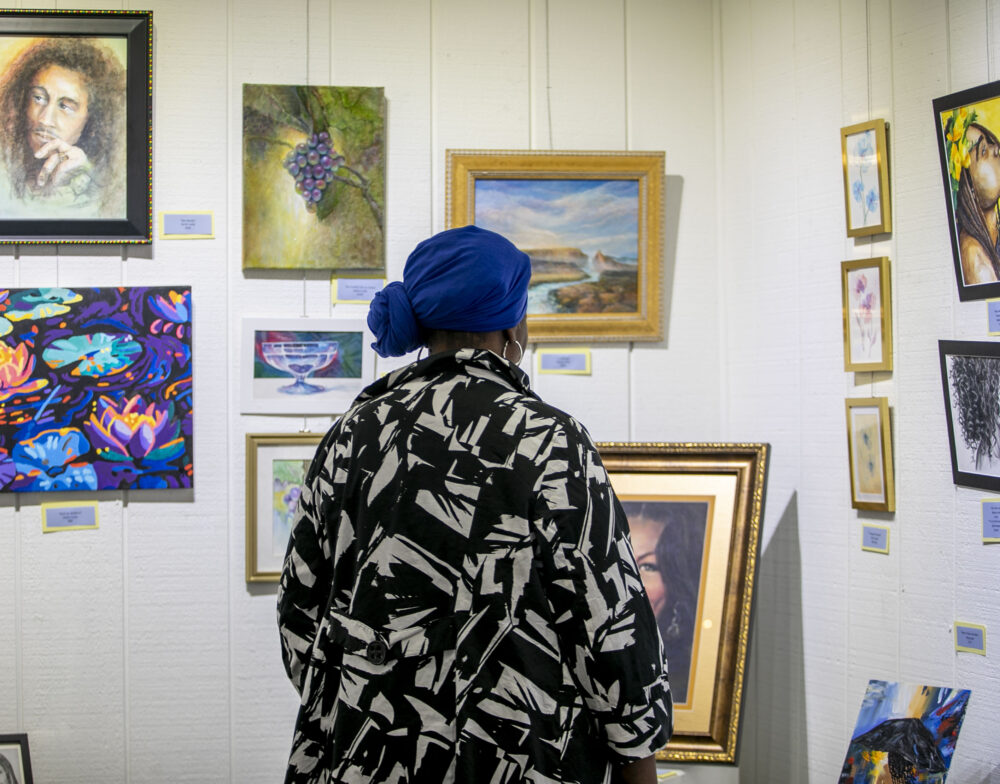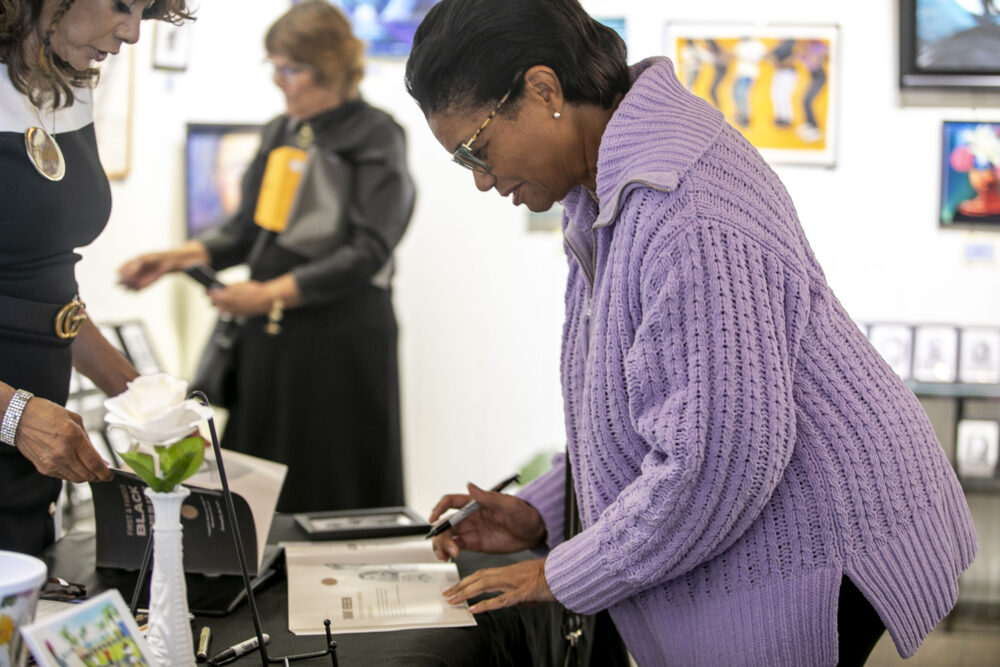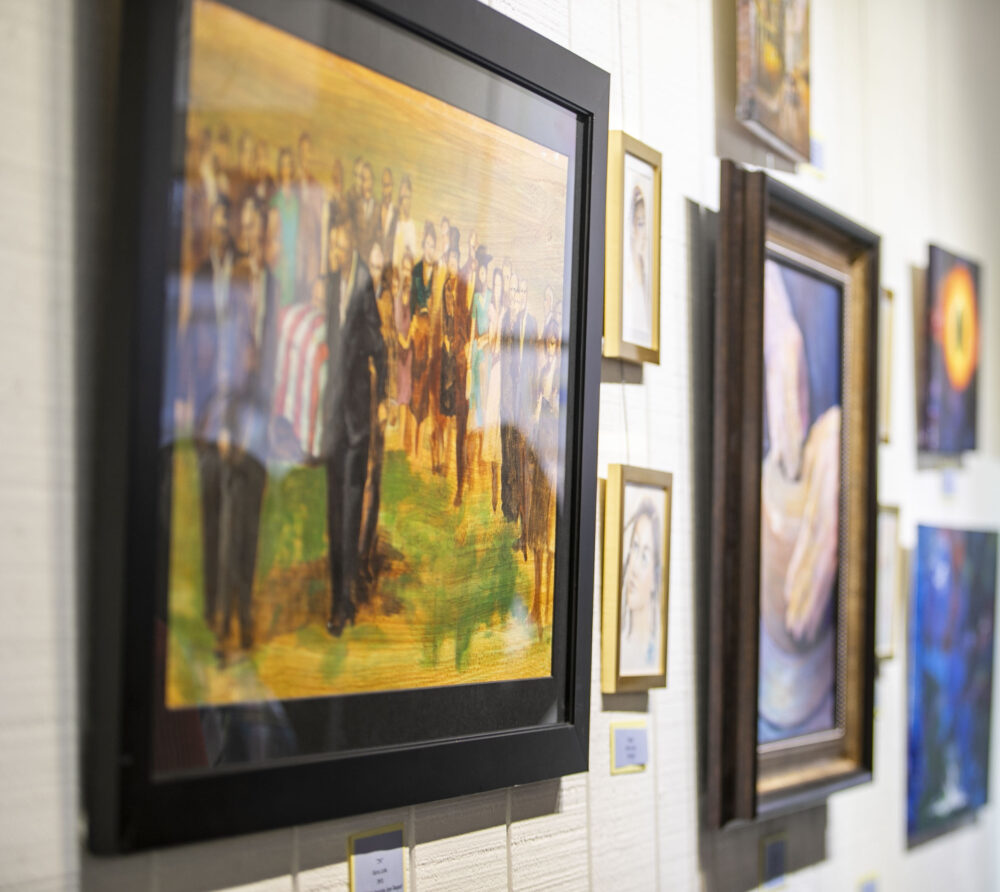
At the Santa Clarita Artists Association, attendees of all ages could be seen crowding the room on Saturday.
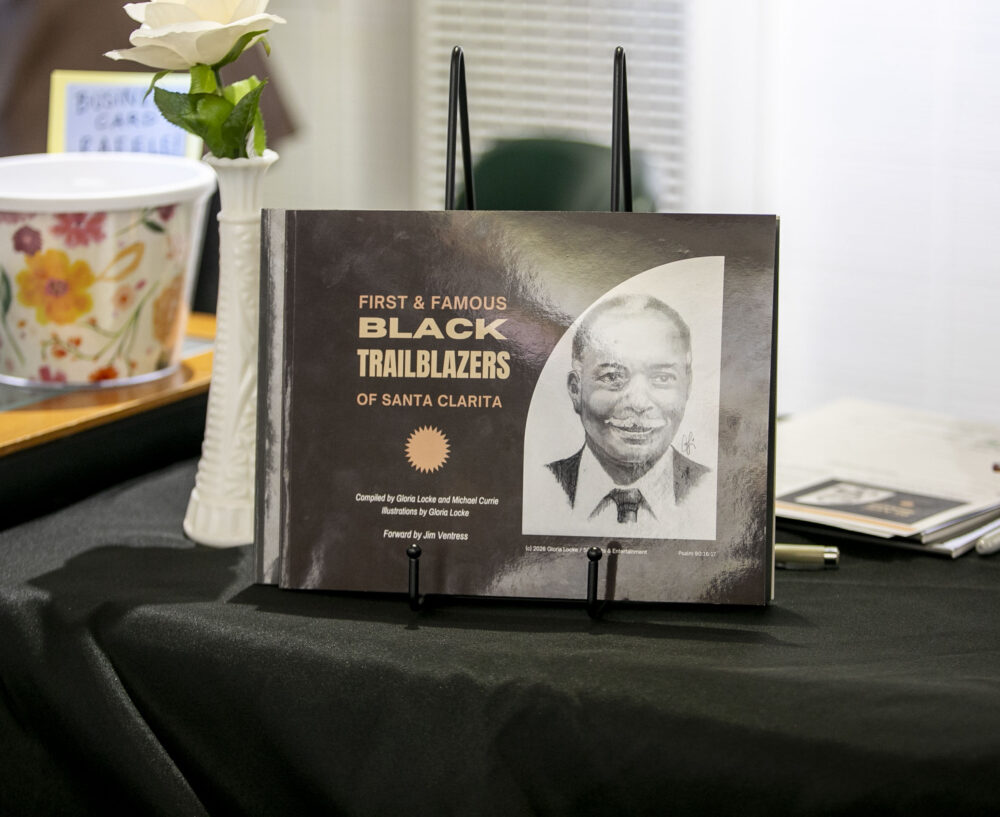
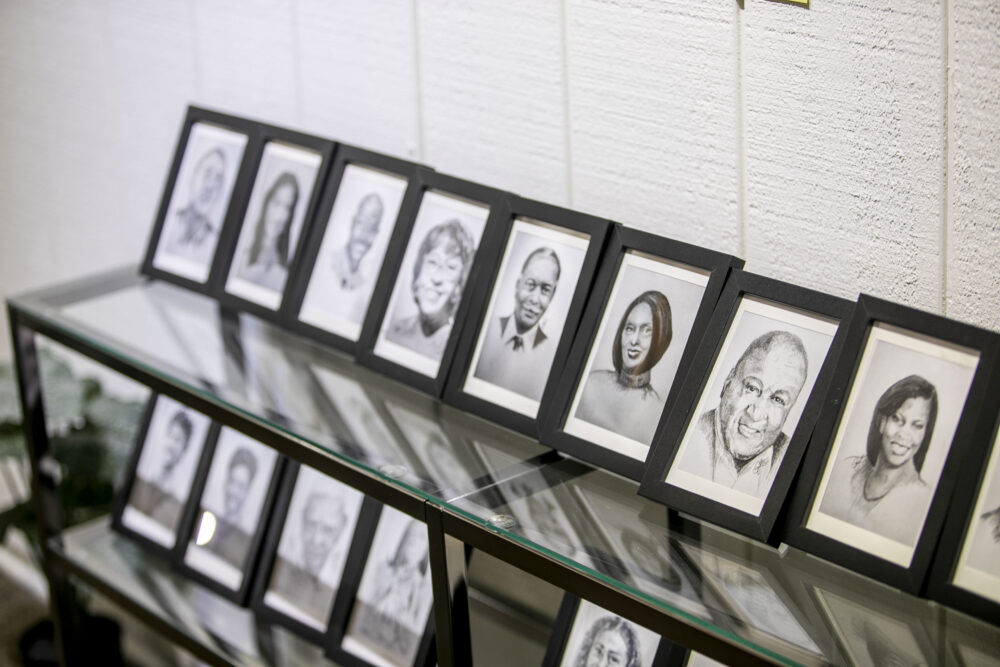
The reason? The release of “First & Famous Black Trailblazers of Santa Clarita,” a collection of sketches of local people, by local people.
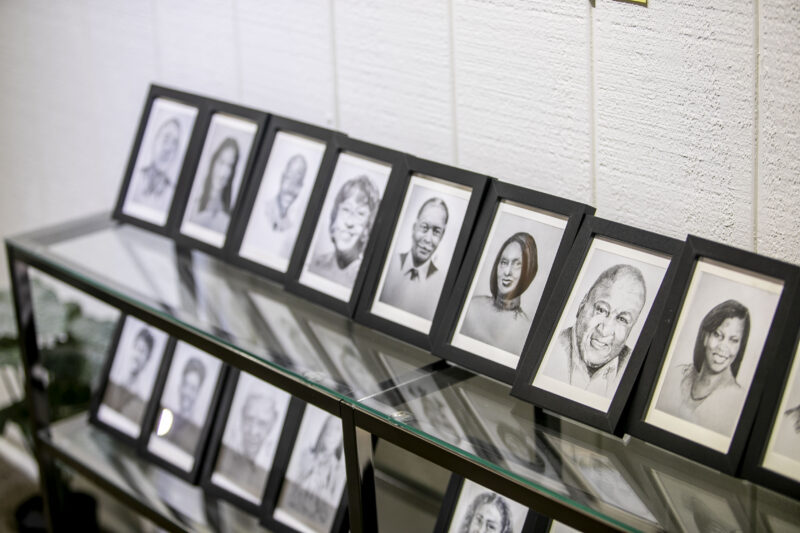
Ranging from celebrities, to educators, to athletes, to notable politicians and every category in between, the sketches were drawn by Gloria Locke: Locke compiled her portraits into a book, with the incentive of paying homage to the Black residents of Santa Clarita who have made a difference throughout the years.
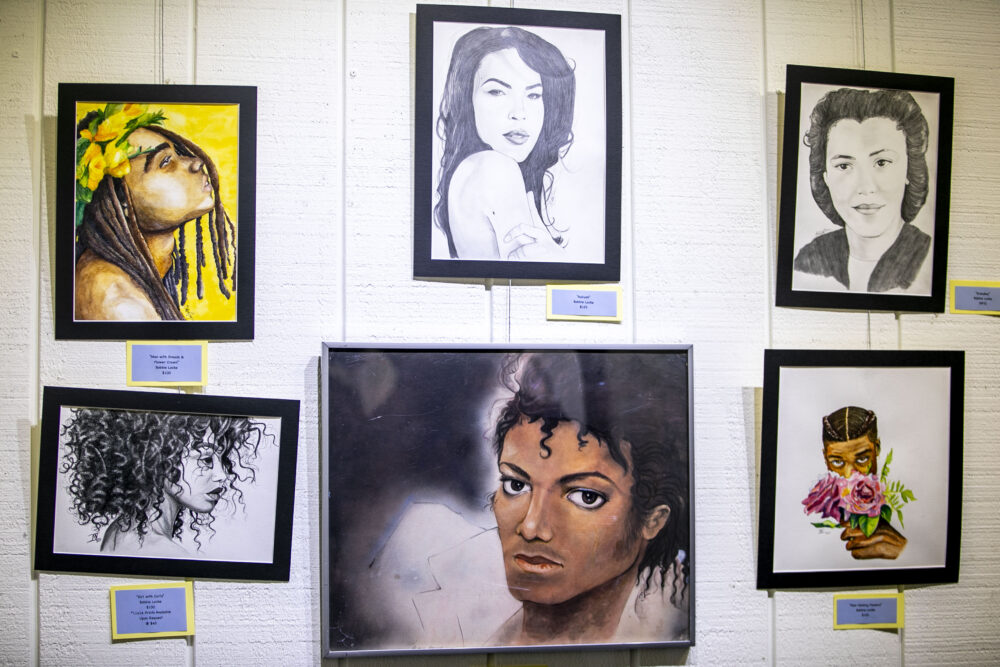
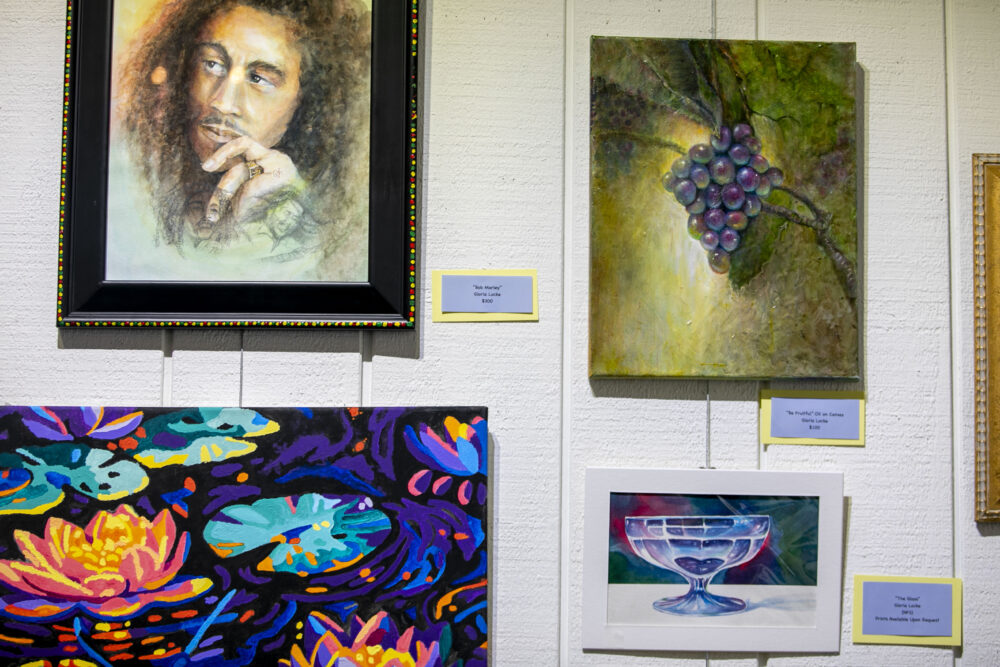
In addition to featuring Shane Vereen, former New England Patriots running back who won Super Bowl XLIX in 2015, Naya Rivera, an actress known for her role in “Glee,” and Louis Brathwaite, often dubbed one of Santa Clarita’s Founding Fathers, Locke and her daughters, Bobbie and Stacie, displayed their artwork in conjunction with the book release.
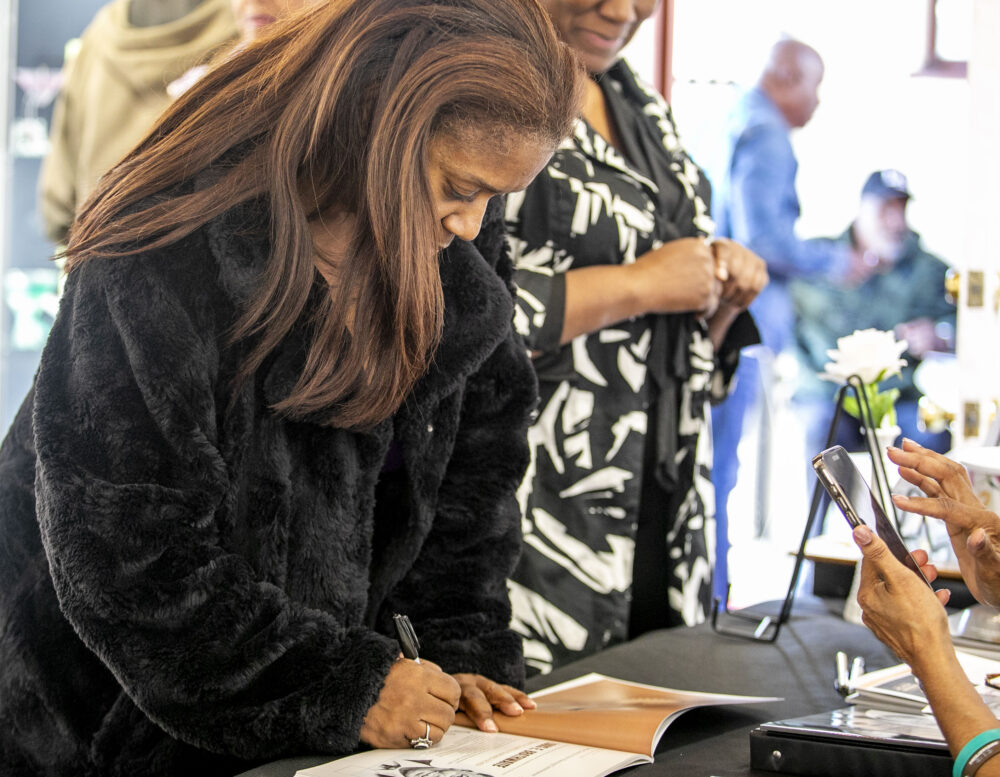
Leaving a copy of the book open for loved ones to sign it, Yvette Taylor, Vereen’s aunt, found out about the event at the last minute, but was excited to see the outcome.
“I came out to support the gallery and the artist. We just found out about this yesterday, so we’re really happy with the turnout. I know Shane and Brock are happy to be from Santa Clarita, and represent Santa Clarita,” Taylor said. “I think it’s beautiful. They’re so proud to be from here, to have done the things that they’ve accomplished, and to be recognized.”
Locke discussed the process of coming up with the idea for the book, which has been conceptualized for almost a decade.
“So in 2016, I was writing an article and discovered that Louis Brathwaite was a founding father, so we just started art exhibits and different things. And from that, we saw all these different people …,” Locke said. “My grandson even helped me research and pull out pictures — that’s why he’s a coauthor. He did all the beginning work for his third-grade thesis, as I call it. That’s how it started.”
Not being able to copy and paste various photos of the individuals due to copyright restrictions, Locke took it upon herself to sketch each individual in the book; the sketches were displayed in the exhibition, and were even given to the featured individuals’ family members who would stop by.
“The main purpose of this is to get it into the schools, whether it’s elementary schools, junior high schools or [high schools],” Locke said. “That’s why this book is so important, because it gives everybody access to know who the people are. Many times, Black history is deleted or erased. If we don’t save it, it won’t get saved.”
As much as Locke has been involved in the community and in showcasing Black history, Saturday’s event was extra special to her:
“It took me [sometimes] three sketches before I got the one I liked. So there is a process. My daughters are also artists, so it was something that we could do together. This event is special to me because we’re doing this together as a family,” Locke said.
Stacie attested to her mother’s sentiments, acknowledging how rewarding the process of putting together the exhibition was for herself.
“This was very important to me, and even my extended family came out. I haven’t seen them in so long. This is such a beautiful experience. My mom curated and authored the entire exhibition. She basically just texted me and asked if I wanted to put my art in her exhibition,” Stacie said. “I did my first painting on a whim at a paint-and-sip, and that’s what got me into painting. It was a deep dive within myself, because I was going through a huge transition period.”
Stacie found art to be a way to release negative energy and pain, personalizing her own pieces for others to appreciate.
“Don’t compare yourself to anyone — art is a release of you. And if you’re feeling all those emotions, sometimes you want to paint because you can’t verbalize it. Don’t compare yourself to the person next to you. You’re you. You’re special because you’re you,” Stacie said.
Bobbie has been an artist for longer, but still finds herself using similar practices to Stacie when expressing herself.
“I’ve basically been growing up surrounded by the arts because my mom had her own art studio growing up, so I was just always there and learning from her. I have basically been drawing my whole life. My first-ever drawing was on the walls of my childhood house, and I got in trouble for that,” Bobbie said. “My mom was also doing a lot of art when she was pregnant with me, so I do think I have a natural ability to make art, but you have to practice. A lot of hours go into it.”
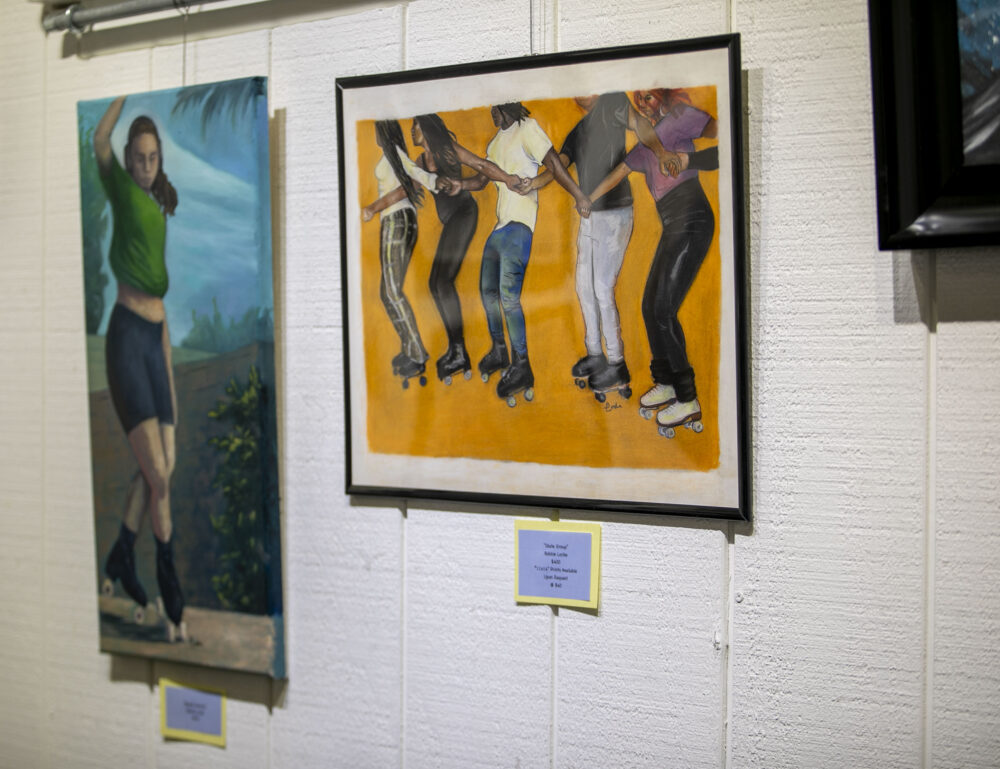
When selecting her pieces for the exhibition, Bobbie wanted to showcase the relationship between her two passions: art and rollerskating.
“This theme of the exhibition was Black History Month, so I made sure to include a lot of historic Black figures and roller skating, which is a really big thing in the Black community. It’s a safe space for us. Roller skating has become a part of who I am, so I started making art of it. My mom also did roller skating,” Bobbie said. “If you haven’t gone roller skating, you should try it.”