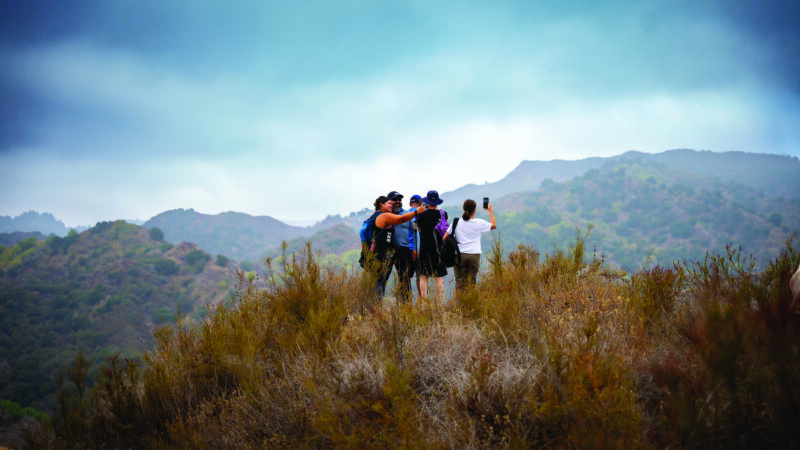
Santa Clarita’s network of trails and open spaces offers something increasingly rare in Southern California: room to breathe, roam and reconnect with the natural world just minutes from home. But with that access comes responsibility — not just to fellow hikers, but to the wildlife and fragile ecosystems that call these spaces home.
For Dallas Cruz, recreation coordinator for the City of Santa Clarita’s Recreation and Community Services Division, the message is simple: think of yourself as a guest.
“The most important thing to remember is that our trails and open spaces are shared spaces, enjoyed not just by visitors, but by wildlife, native plants and the surrounding natural environment,” Cruz said. “Staying on designated trails helps protect habitats, prevent erosion and keep visitors safe.”
That sense of shared stewardship shapes everything from where you step to how you carry your trash. Cruz emphasizes a mindset shift that goes beyond recreation.
“A good rule of thumb is to leave the space exactly as you found it, or even better.”
Awareness is Safety
One of the most common mistakes Cruz sees isn’t dramatic — it’s simply distraction.
“One of the most common mistakes is simply not being observant of your surroundings,” Cruz said. “Many visitors focus on reaching their destination and overlook nearby hazards.”
In Santa Clarita, that can mean brushing up against poison oak or missing subtle changes in trail conditions. Slowing down and staying present can prevent many of those issues.
“Hikers can avoid many issues by slowing down, staying on designated paths, learning to recognize local plants and wildlife and paying attention to trail conditions,” Cruz said.
Preparation matters, too. Checking trail conditions, bringing enough water and wearing proper footwear and sun protection can turn a risky outing into a safe one.
Starting Small, Staying Smart
For families or beginners, Cruz recommends building confidence gradually. “Start with shorter, well-marked trails and build confidence gradually. Choose hikes appropriate for the youngest or least experienced member of your group.” And don’t underestimate the value of curiosity.
“Turn the hike into an exploration by noticing plants, wildlife signs or scenery. This makes the experience enjoyable and educational.”
Most importantly, Cruz adds, it’s okay not to finish. “A successful hike is one where everyone finishes safely and wants to come back.”
For planning, Cruz points to a local resource: “HikeSantaClarita.com is a great resource … It has a list of trails and even an Interactive Trail Map that allows you to explore all of the information about every trail in Santa Clarita.”
Leave No Trace — Really
If there’s one rule Cruz wishes every visitor followed, it’s this: “Pack it in, pack it out.” That includes items many people assume are harmless.
“A common misconception is that items like orange peels or banana peels are okay to throw along the trail because they are biodegradable,” Cruz said. “In reality, these foods are not native to the environment and can take much longer than people expect to decompose … They can also attract wildlife and change natural animal behavior.”
Rattlesnake Awareness
As temperatures rise, so does the likelihood of encountering one of the area’s most misunderstood residents.
“Rattlesnakes are generally most active from spring through early fall as temperatures begin to warm,” Cruz said. “They are considered crepuscular, meaning they are most active during the early morning and evening when temperatures are milder.”
Encounters often happen quietly.
“Rattlesnakes often remain silent and stay concealed along the edges of trails, which is why staying observant is so important.”
If you see one, the response should be calm and simple.
“Stop, remain calm and give it plenty of space. Most snakes will move away on their own if left undisturbed.” He stresses that rattlesnakes are defensive, not aggressive.
“They are not looking to harm people … and will typically only strike if they feel threatened or cornered.”
The takeaway: don’t approach, don’t provoke, and definitely don’t try for a close-up photo.
Wildlife and Respectful Distance
Beyond snakes, Santa Clarita’s trails are home to coyotes, deer, rabbits, hawks and even the occasional bobcat.
“These animals are a normal and healthy part of our local ecosystem,” Cruz said. “The best response is to observe from a distance and never feed wildlife.”
Feeding animals, he warns, can create lasting problems by altering natural behavior and increasing the risk of human-wildlife conflict.
Dogs on Trails
Leash rules are another area where etiquette and safety intersect.
“Leash rules protect wildlife from being chased or stressed and help prevent unexpected interactions with other visitors.”
Even well-trained dogs can behave unpredictably outdoors.
“Keeping dogs leashed is also important for the safety of the dog and its owner.”
Responsible ownership also includes cleanup.
“Responsible owners should keep dogs leashed, carry waste bags, pack out pet waste and ensure their dogs are comfortable around others.”
The Social Media Factor
In the age of Instagram, Cruz says one growing concern is the pursuit of wildlife selfies.
“The biggest risk is forgetting that wildlife is not accustomed to human interaction. Getting too close can stress animals or trigger defensive behavior.”
Instead, Cruz recommends a simple adjustment.
“Use the zoom on your phone/camera instead of getting close. Maintain a respectful distance, never feed or try to attract animals and avoid blocking their path.”
A good rule of thumb: “If an animal changes its behavior because of your presence, you are too close.”
A Shared Responsibility
Ultimately, protecting Santa Clarita’s open spaces comes down to everyday decisions.
“Being prepared, staying aware of your surroundings and respecting both the environment and other trail users can make a big difference,” Cruz said. “When people recreate responsibly, they help preserve these trails and natural areas so everyone can enjoy safe and thriving open spaces now and in the future.”
For updates, trail information and events, he encourages residents to follow @HikeSCV.