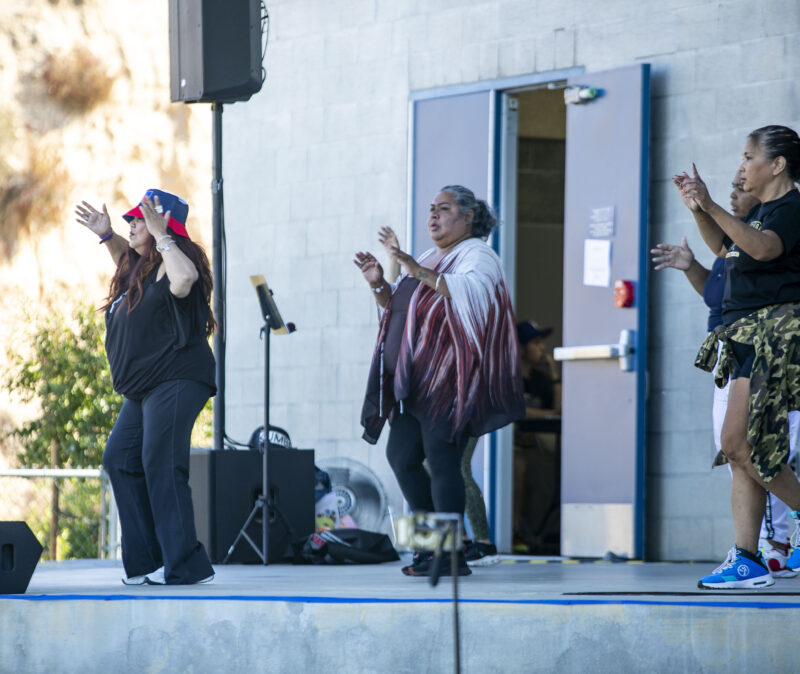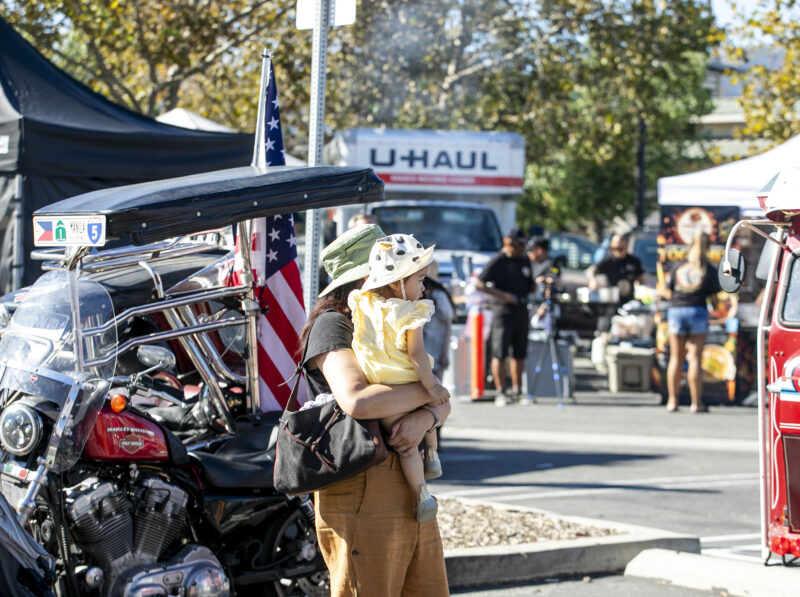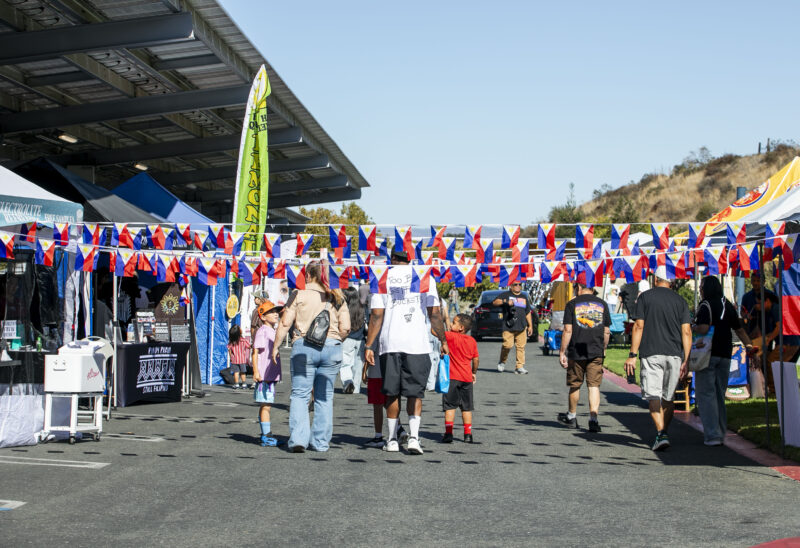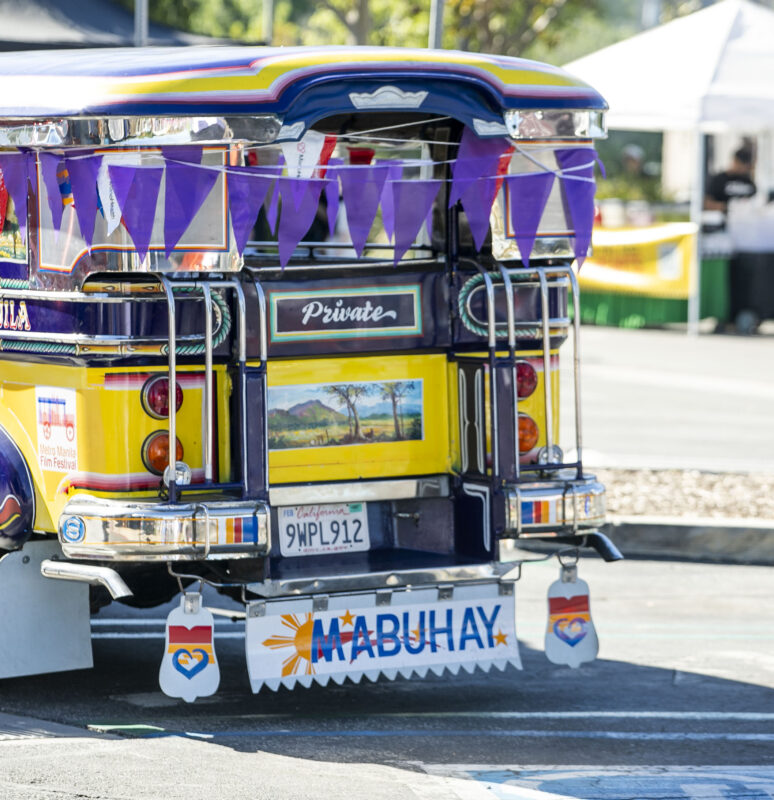
With a vibrant atmosphere of Zumba, various Jeepneys — the Philippines’ most popular form of public transportation — and local food vendors, the Fil-Am Association of Santa Clarita Valley held its annual Fil-Am Festival at the Newhall Community Center all day Saturday.
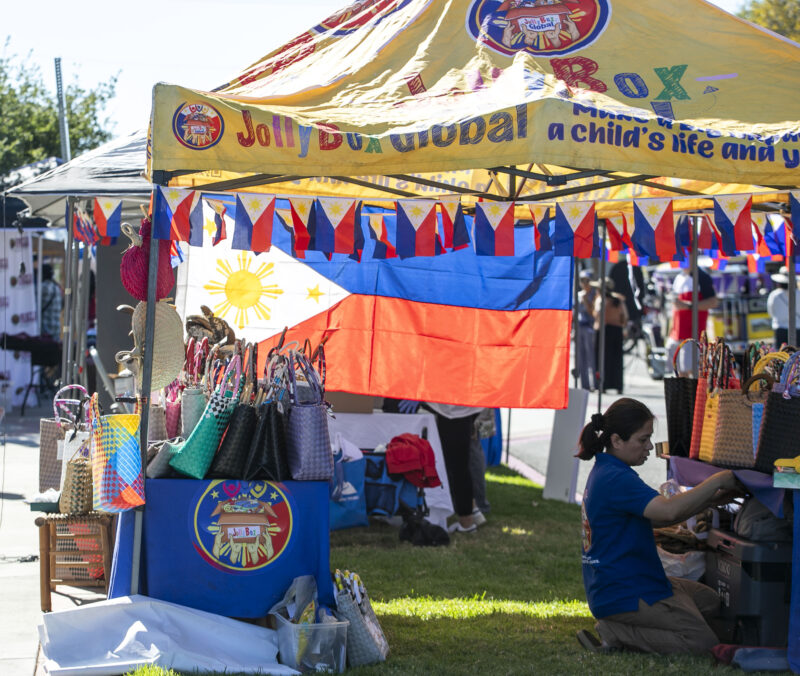
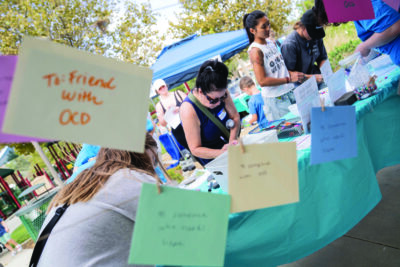
Attendees walked around the festival, connecting with other community members, or simply learning about Filipino culture. Among the vendors displayed was JollyBox Global, a nonprofit created by Madeline Arenas to help support Filipinos in need of quality education, health care and resources.
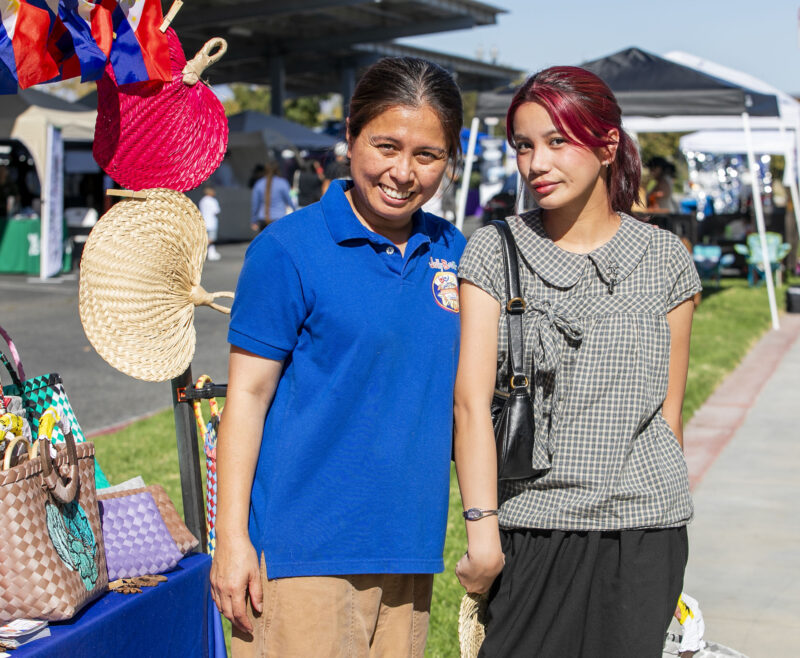
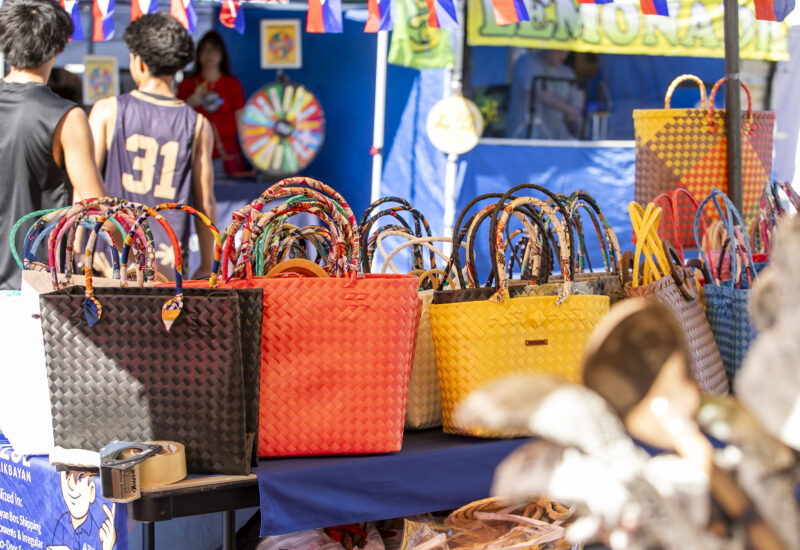
“We’re a nonprofit since 2020. We develop libraries in the Philippines. Everything that you see on our tables all goes to funding our outreach projects. Everything on the table is handcrafted in the Philippines. We are helping out Filipinos develop jobs, we bring the items here to sell them, and then we bring them back to raise funds for our outreach projects,” Arenas said.
Most of the items on display were handmade purses of differing sizes to help people in rural areas of the Philippines invest in their education.
“The items are made out of harvested items from the mountains, and when we sell them in the city, [the people can’t label them] since they don’t have much education, they don’t know how to spell, read or do math. So we focus on education. Our aim is to at least get them to finish elementary school — high school would be better,” Arenas said. “They are third-grade dropouts on average. When they’re a bit stronger, their parents let them drop out to help them with farming and harvesting, instead of putting them in school.”
Regina Carpio, the 2026 president of Fil-Am, took charge to ensure that all was running smoothly throughout the day.
“The city has always been supporting our cultural events, but our organization has been doing it for over 40 years. Our cultural program is part of our mission of promoting and preserving our culture, and it’s through music, dance, food,” Carpio said. “It’s very innate for Filipinos to find each other, not just for meet-ups or dinners, but sharing culture not just with each other, but with the community around. Not just that we’re hosting it, but everyone’s welcome.”
The Fil-Am Association was formed in 1984 — three years before Santa Clarita’s inception. Since then, there has been a strong focus on preserving the culture and embracing it in Southern California.
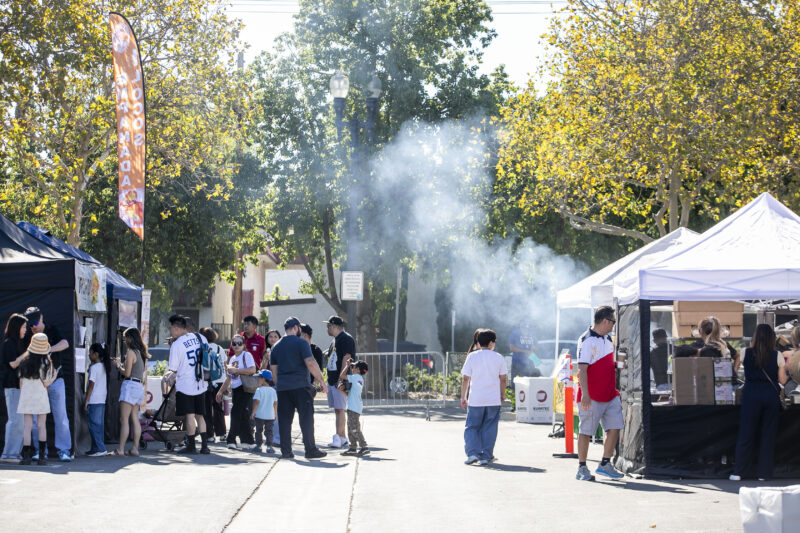
“We have a roster of about 500 people, but of course not all are active. It’s our job to take it seriously. We also live on donations — that’s our blood, our lifeline, in addition to volunteers. This event we figured is the best way that we can make those two things happen,” Carpio said. “This year, we have more vendors. More people providing activities. It’s more of a community thing. But this year, I think it’s bigger in the sense that we have more local business owners and just more foot traffic overall. It’s very heartwarming seeing the number of people just walk into this. It’s very lively.”
Rhod Resella, the organization’s past president in 1990, reflected on the growth he has seen throughout the decades.
“My family moved back here in 1986. The organization was already active. A Filipino neighbor saw us and invited us to come to a Christmas party. That’s how we became involved as a family, and from there on, we became very active,” Resella said. “It has been different from the very beginning. At the time, it was family-oriented activities. Picnics, families and friends. After that, it grew to more of an outreach to the Santa Clarita community. We got involved in civic participation, we got involved with the scholarship programs for the high school students, and we’re also doing more cleanup work such as the River Rally.”
With many generations of families, and new people joining the community, the Fil-Am group continues to see growth in its future.
“The association proves the strength and loyalty and the camaraderie and the relationship we have among other groups in the Santa Clarita Valley,” Resella said. “The Asian population is actually growing here, and we’re seeing more Korean, Japanese and Chinese, but not enough to put a 99 Ranch Market.”