The city of Santa Clarita is once again looking to change its housing policies, in a way that adds more options, as well as regulations, for accessory dwelling units, or “granny flats.”
The changes on the Planning Commission’s agenda for discussion Tuesday recommend the body add Class 2, which under state law offers property owners the ability to make a larger ADU, but also one that the city can regulate, if the rules being proposed are approved.
In order to stay compliant with state law, the city updated its housing policies to adopt rules for what the state considers a Class 1 ADU.
“The state law has the two different classes,” said Planning Manager Patrick Leclair in a phone interview Monday. “We recently adopted the Class 1 changes, and we’re going to be adopting Class 2, which allows us to put some regulation on some of the larger ADUs and limit the size and design of those ADUs.”
A Class 1 ADU is tightly governed by state law, which gives the city virtually no oversight on their application, providing they fall under one of three categories, according to the agenda for Tuesday prepared by Zarui Chaparyan of the city’s Planning Division.
The essentially preapproved state options in Class 1 include: junior ADUs, units that are up to 500 square feet, and converted from the existing primary residence (includes attached garages); conversions, which are units converted from existing living space or accessory structures that do not have a size limit; and detached ADUs, which are units limited to 800 square feet.
Unlike Class 1, state law creates a framework for the city to have some oversight and control over ADUs in Class 2, from the application of “limited development standards” the city plans to discuss Tuesday, according to the agenda. While the Planning Commission has first review, the City Council ultimately would also need to approve the rules.
The state considers ADUs “an innovative and effective option for adding much-needed housing in California,” according to the state Housing and Community Development Department’s website. Members of the Santa Clarita City Council have discussed them as a challenge to their local control over what type of projects can be approved.
In the past five years, particularly since the pandemic and the passage of several state laws intended to make ADUs easier to get approved, the city has seen a considerable increase in such applications.
The city’s Planning Division received 61 applications for ADUs in 2021; 74 in 2022; 75 in 2023; 95 in 2024; 86 in 2025; and 87 in the year-to-date applications, according to numbers provided by Leclair on Monday.
Class 2 ADUs have a few guidelines, but they are allowed to reach a larger size under state law.
The rules the city is discussing involve: a minimum setback, or the distance the home is from the street; the maximum size allowed, which is 1,000 square feet, for attached or detached units with two or more rooms; limits on how much of the yard can be covered by an ADU; and parking allowances/requirements. There are no parking requirements for the ADUs if the projects meet one of several circumstances, such as being within a half-mile of a public transit center.
There are also landscaping requirements being proposed, such as “one 24-inch box tree in setback, if ADU is street-facing.” The estimated cost for the tree and installation is approximately $500 to $750, based on current prices found online.
The city also is allowed to mandate the Class 2 ADU match the original dwelling, and be compliant with the city’s community character and design guidelines, which are also something the city looked at earlier this year.
The City Council updated its housing policy to codify its objective design standards in August, during its first meeting back from the summer recess. During a May discussion of the policy, a senior planner said the goal was a way for the city’s Planning Division to retain regulation over local development.
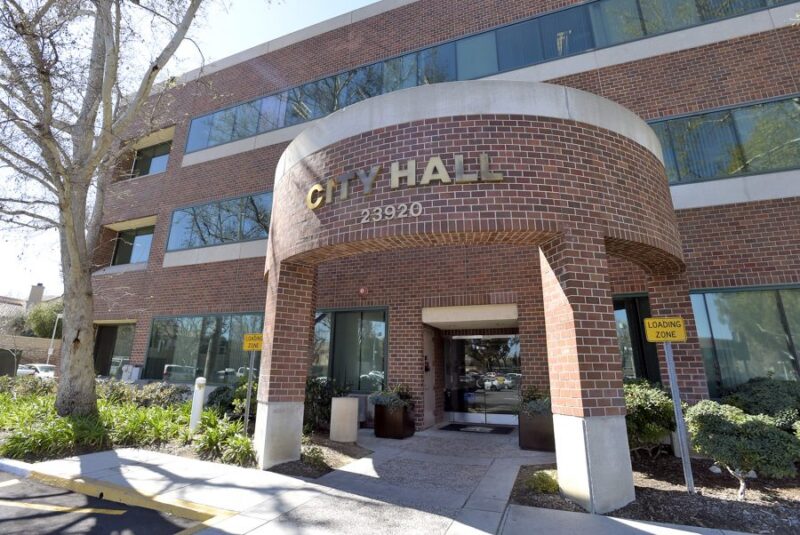
The commission’s discussion is scheduled for 6 p.m. Tuesday at Santa Clarita City Hall (23920 Valencia Blvd.).