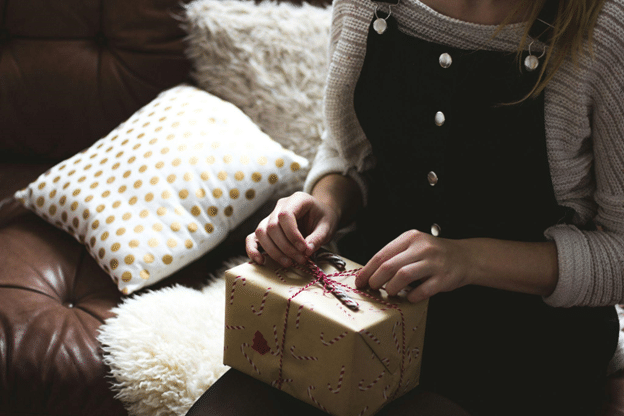
A high price can make a gift impressive, but it does not automatically make it memorable. The presents people tend to keep, talk about and associate with important moments are often the ones that feel personal rather than expensive.
Meaning comes from connection. A gift may remind someone of a shared experience, reflect something they genuinely enjoy or show that the giver paid attention to a detail others might have missed.
That is why thoughtful gifts often have more lasting value than something chosen mainly for its price tag. The best presents usually communicate something about the relationship between the people involved. They feel specific rather than interchangeable.
Choosing well is therefore less about spending more and more about understanding what would actually matter to the person receiving it.
Personal Gifts Feel More Intentional
A gift feels different when there is an obvious reason behind it.
Jewellery is a good example because the same type of item can carry very different meaning depending on when and why it is given. Someone choosing a piece to mark an anniversary, graduation or another personal milestone may browse kuverajewelry.com while looking for something that can stay connected to that occasion long after the day itself has passed.
The emotional value comes from the association.
A necklace or bracelet may not be remembered because of what it cost, but because it was given at a moment that mattered. That connection is what turns an ordinary object into a keepsake.
Tradition Can Add Another Layer of Meaning
Some gifts feel special because they connect the recipient to a place, craft or tradition rather than simply offering something new.
Clothing and textiles can work particularly well in this way. A brand such as Aran can appeal to someone who values heritage-inspired pieces, natural materials or items that feel designed to last rather than follow a short-lived trend.
This type of gift carries a story beyond the object itself.
It can remind someone of family roots, travel, a favourite place or simply an appreciation for traditional craftsmanship. That extra context often makes the gift feel more considered.
Shared Memories Are Often Better Than Luxury
Some of the most meaningful gifts refer directly to something two people experienced together.
A framed photograph, a book connected to a trip or even a small object linked to an inside joke may have very little financial value.
That does not make it less important.
In fact, the opposite can be true because nobody else could give exactly the same gift with the same meaning behind it.
Shared history makes a present difficult to replace.
This is why personalised gifts often remain important even when newer or more expensive items eventually appear. They represent a specific relationship rather than simply filling a practical need.
Useful Gifts Can Still Feel Personal

Practical gifts sometimes get dismissed as unromantic, but usefulness can be a sign of genuine attention.
Choosing something the recipient actually needs shows that the giver has noticed how they live.
The difference is in specificity.
A generic household item may feel impersonal, while something that solves a small problem the person has repeatedly mentioned can feel extremely thoughtful.
The same principle applies to hobbies, work and everyday routines.
A useful gift becomes meaningful when it demonstrates understanding rather than convenience. It says, in effect, “I noticed this would make your life easier.”
That can be far more valuable than buying something impressive that never gets used.
Presentation Can Strengthen the Message
The way a gift is presented can add meaning without adding much cost.
A handwritten note explaining why the item was chosen can completely change how the recipient experiences it. Even a few sentences can provide context that might otherwise be missed.
Packaging can help too, especially when it reflects the occasion or the person’s taste.
The aim is not elaborate decoration.
It is to make the act of giving feel intentional from beginning to end.
That extra effort often becomes part of the memory. Years later, someone may remember not only the gift but what was said when it was given.
Experiences Can Be Just as Lasting
Not every meaningful gift needs to be a physical object.
Tickets, a meal, a short trip or an activity connected to a shared interest can create memories that last much longer than many possessions.
Experiences work particularly well when the recipient already has most of what they need.
They also create something that can be remembered together afterwards.
The most successful experience gifts are usually chosen around the other person’s interests rather than the giver’s preferences. That distinction matters.
A meaningful gift should feel like it was designed for the recipient, not simply like an activity someone else wanted an excuse to organise.
Meaning Usually Outlasts Price
Expensive gifts can certainly be meaningful, but price is rarely the reason they become important.
What lasts is the story attached to them.
People remember who gave the gift, why they chose it and what was happening in their lives at the time. That emotional context often becomes more valuable as the years pass.
A thoughtful present does not need to be rare or luxurious. It needs to feel specific.
When a gift reflects a shared memory, personal interest, family tradition or genuine understanding of someone’s everyday life, it becomes much harder to replace.
That is why meaningful gifts often matter more than expensive ones: their value comes from the relationship behind them, not simply the amount spent.