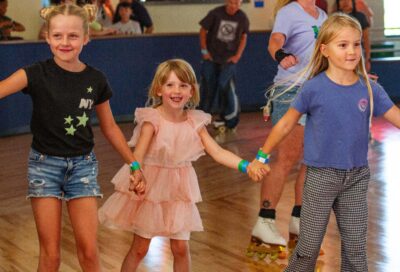
Applied Behavior Analysis (ABA) therapy is the gold standard therapy for autistic and other developmentally unique children. ABA therapy once was conducted in highly structured settings like therapy clinics, classrooms, or even the family home. While these settings are wonderful, they do not always capture the complexity and uncertainty of life in general. That is where community-based ABA comes in. By going outdoors for therapy such as in the park, supermarkets, libraries, and playgrounds, children can be able to practice things that they can easily carry out in their everyday life.
Community-Based ABA isn’t so much an environment change—it’s a well-documented method of teaching skills that can be utilized anywhere. It’s focused on teaching kids to apply what they’re learning in therapy to everyday places where they’ll be using those skills the most. From safety consciousness to communication, this strategy fosters independence, confidence, and flexibility.
Why Community-Based ABA Matters
Kids learn more when they can observe themselves using it. A kid will learn a communication skill in a practicum therapy session, but won’t have any idea how to use the same skill when eating out at a restaurant or when they need assistance at the park. The linkage is situational. Community-based ABA bridges that gap by giving direct access to practice skills in the real world.
Example:
- Turn-taking in a home game of board games is functional, but turn-playing on a public slide makes the ability functional and useful.
- Practice following directions in a therapy session is useful, but following directions in a crowded supermarket aisle makes the ability functional.
- Sighting shapes or quantities on a work sheet is information-based, but using those skills to help a parent shop makes functional problem-solving.
This strategy supports generalization, a fundamental concept of ABA. Generalization is when a child is able to generalize skills he or she has acquired in all individuals, settings, and situations. Therapy progress without generalization is only site-specific. Community-based ABA ensures that whatever a child learns works everywhere.
Skills Acquired Under Community-Based ABA
Community-based ABA varies and can be applied to a broad scope of skills. Some of the most widely used interests include:
1. Communication Skills
Children work on greeting store clerks, ordering in restaurants, or requesting directions in public. These activities promote functional communication along with social assertiveness.
2. Social Interaction
Playgrounds, parks, and recreation centers are the perfect places where children socialize with each other. They can practice sharing, turn-taking, eye contact, and initiating interaction in daily social interaction.
3. Daily Living Skills
ABA-based services offer a chance for children to practice necessary life skills such as grocery shopping, traveling on the bus, reading signs, or handling money. These are stepping stones to becoming an independent adolescent and young adult.
4. Awareness of Safety
Public areas offer the opportunity to practice safety guidelines such as crossing the street safely, remaining with a caregiver, or recognizing community helpers such as police or shop clerks.
5. Flexibility and Adaptability
Life is unexpected in the real world—people standing in lines at the supermarket, the park is filled with people, or the bus is late. ABA in community environments enables children to learn to tolerate surprises and practice regulation of frustration.
Benefits to Children and Families
Family-oriented ABA benefits not just children but families too.
For Children:
- Confidence in Novel Environments: Children become comfortable with everyday environments, thus anxiety with new places is minimized.
- Skill Generalization: Skills are learned in alternative manners, therefore they will generalize outside of therapy.
- Natural Reinforcement: Mastery of everyday skills such as grocery shopping or play with playmates provides natural rewards and inducements.
For Families:
- Involvement in Learning: Parents and caregivers themselves are involved learners in community-based classes, learning skills that they can continue to apply beyond therapy.
- Less Stress: Families can feel confident knowing that their child is practicing skills that will enable them to cope with every day challenges.
- Deeper Bonds: Vacations are learning vacations, so every day outings are practice in self-betterment.
Real-World Applications of Community-Based ABA
For example, some illustrations of how therapeutic objectives would be interpreted in community sessions are as follows:
- In the Grocery Store: Child is practicing making a shopping list of things to purchase, finding items, seeking assistance from store employees, standing in a line, and paying with change at the checkout.
- At the Park: Children learn to share swings, become friends with other children, take turns in a group, and adjust when it’s time to go home.
- At a Restaurant: Treatment can be on polite greeting, choosing from a menu, waiting patiently, and eating with forks and knives.
- On Public Transportation: Competencies can be reading the signs on the bus, paying for the fare, sitting in the right place, and knowing when to get off.
Every outing is specifically designed to address the child’s individualized objectives, maintaining synchrony with the current and goal-oriented.
How Community-Based ABA Enables Long-Term Independence
The ultimate long-term objective of ABA therapy is to ensure the children become independent and self-sufficient individuals in life. Community-based ABA goes a very long way toward making this possible by equipping the children with basic skills that they will use throughout their lives.
For young children, it could be learning to co-exist with other kids in the playground. For adolescents or school-aged children, it could be learning workplace skills such as getting along with coworkers, using the bus, or managing funds. The more children practice applying their skills to real-life situations, the better equipped they will be to solve problems in the future.
Tips for Families Considering Community-Based ABA
If you are considering having ABA therapy for your child, keep in mind the following:
Select a Provider Who Has Expertise in Community-Based Services: All providers of ABA do not offer community-based services. Ensure that you especially inquire whether they have an option of getting therapy work done outside the clinic or home.
- Work Together on Goals: Meet with the child’s therapist and work together on skills that will benefit your child most in everyday life.
- Start Small: Start in familiar environments, such as the local park or grocery store, before expanding to new or difficult environments.
- Practice Outside of Sessions: Reinforce skills by doing routines during the day. Get your child to greet neighbors, pay for incidental daily items, or assist in planning family activities.
- Recognize Progress: Any small victory—such as asking a cashier a question—is a step toward independence.
Looking for aba providers in Maryland? Able Minds ABA provides family-oriented, individualized ABA services to assist children in learning, growing, and flourishing.
Conclusion
Community ABA closes the gap between therapy in the clinic and actual life. By educating children where they reside, it not only teaches them but lives with them. From socialization and communication to safety awareness and daily living, the impact is optimized well beyond the therapy session. Families know their child is ready to succeed in daily life, and kids have the freedom and sense of belonging.
Transferable teaching skills is the real power of community-based ABA. It turns parks, stores, and restaurants into classrooms—enabling children to learn cherished, lifetime skills in the world they enjoy most.