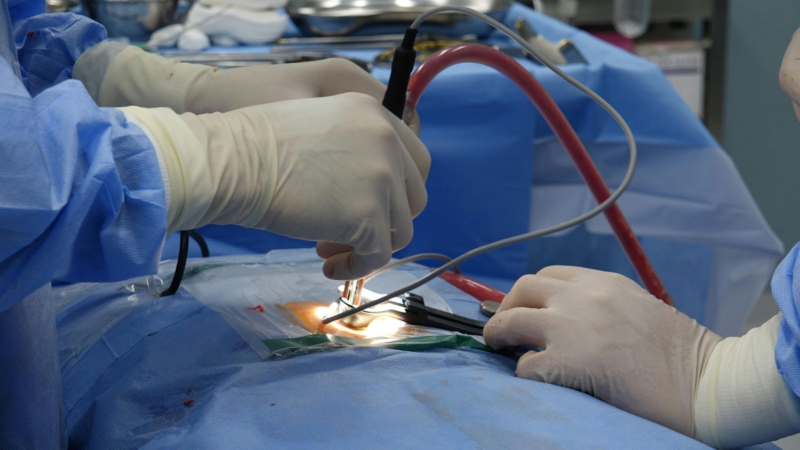
Patients in Clifton exploring minimally invasive spine surgery in Clifton should understand its advantages, such as reduced incision size and minimal muscle disruption. This technique employs precise imaging and specialized tools, offering quicker recovery and decreased postoperative discomfort compared to traditional surgery. The procedure is customized to the patient’s specific spinal condition, aiming for the best possible outcome. However, to make an informed decision, it is essential to consider various factors and potential risks.
Understanding Minimally Invasive Spine Surgery
Minimally invasive spine surgery (MISS) has emerged as a significant advancement in the field of spinal surgery, reducing the need for large incisions and extensive muscle dissection. This evolution in surgical techniques employs advanced imaging and specialized instruments, allowing surgeons to access spinal structures through small incisions. Such precision minimizes damage to surrounding tissues and promotes faster recovery. Patient preparation is critical, involving thorough assessments to determine suitability for MISS. Preoperative evaluation includes imaging studies such as MRI and CT scans, alongside detailed medical history reviews. By understanding the specific conditions addressed by MISS, such as herniated discs and spinal stenosis, healthcare providers can tailor surgical approaches to individual patient needs, optimizing outcomes and enhancing postoperative recovery experiences.
Benefits of Minimally Invasive Techniques
Patients undergoing minimally invasive spine surgery (MISS) gain several significant advantages over traditional open spine surgery. These benefits include reduced recovery time, allowing patients to resume daily activities more swiftly. The technique involves smaller incisions, minimizing tissue disruption and thereby accelerating the healing process. Improved surgical precision is another critical benefit, as the use of advanced imaging technologies and specialized instruments enables surgeons to accurately target and treat the affected area. This precision reduces the likelihood of collateral tissue damage, enhancing overall surgical outcomes. Additionally, patients experience less postoperative pain and a lower risk of infections due to the less invasive nature of the procedure. Such factors contribute to an overall more favorable prognosis and increased patient satisfaction post-surgery.
Comparing Traditional and Minimally Invasive Surgery
In the comparison between traditional and minimally invasive spine surgery, significant distinctions arise in the surgical procedure, recovery timeline, and associated risks and benefits. Traditional surgery often involves larger incisions and longer recovery periods, whereas minimally invasive techniques utilize smaller incisions, potentially reducing hospital stay and accelerating patient recovery. However, both approaches carry inherent risks, and the choice of technique must be tailored to the individual patient’s condition and health status, balancing the potential benefits against possible complications.
Surgical Procedure Differences
While technological advancements have revolutionized medical procedures, the differences between traditional and minimally invasive spine surgery are significant. Traditional spine surgery typically involves larger incisions and retracting muscles to access the spine, which can lead to extended recovery periods. In contrast, minimally invasive techniques utilize advanced surgical equipment, such as endoscopes and tubular retractors, allowing for smaller incisions and minimal muscle disruption. This approach reduces postoperative pain and scarring, enhancing patient lifestyle considerations by facilitating quicker returns to daily activities. Additionally, the precision of minimally invasive surgery minimizes blood loss and lowers infection risk. Patients considering spine surgery should discuss these procedural differences with their healthcare providers to determine the best approach tailored to their specific medical needs and lifestyle.
Recovery Time Comparison
A notable distinction in recovery times exists between traditional and minimally invasive spine surgery. Traditional spine surgery typically involves larger incisions, which may extend the recovery timeline due to increased tissue disruption. Patients undergoing traditional procedures often experience longer hospital stay durations, sometimes ranging from several days to weeks, depending on the complexity of the surgery. Conversely, minimally invasive spine surgery employs smaller incisions, reducing soft tissue damage and promoting faster recovery. This approach often results in shorter hospitalizations, with patients frequently discharged within one to two days post-operation. The recovery timeline comparison highlights the advantage of minimally invasive techniques in facilitating a quicker return to daily activities, thereby improving overall patient outcomes and satisfaction in the post-surgical phase.
Risks and Benefits
Understanding the recovery time differences between traditional and minimally invasive spine surgery naturally leads to an examination of the associated risks and benefits. Traditional surgery often involves larger incisions, resulting in increased blood loss and extended recovery. Conversely, minimally invasive techniques utilize smaller incisions, reducing trauma to surrounding tissues. This surgical approach factor minimizes postoperative pain and decreases infection risk. Anesthesia considerations are also pivotal; minimally invasive procedures typically require shorter periods of anesthesia, lowering the potential for complications. However, the limited visibility and restricted access in minimally invasive surgery may pose challenges, potentially affecting surgical outcomes. Nevertheless, the benefits, including reduced recovery time and decreased hospitalization, often outweigh these risks, making minimally invasive spine surgery a compelling option for eligible patients.
Common Conditions Treated With Minimally Invasive Surgery
Minimally invasive spine surgery (MISS) has revolutionized the treatment landscape for various spinal conditions, offering a less traumatic option compared to traditional open surgery. Among the prevalent conditions addressed through MISS are disc herniation and spinal stenosis. Disc herniation treatment via MISS typically involves microdiscectomy, which precisely targets and removes herniated disc material, alleviating nerve compression with minimal tissue disruption. Spinal stenosis management is effectively achieved through procedures like minimally invasive laminectomy or foraminotomy, which enlarge the spinal canal or foramina, respectively, reducing pressure on the spinal cord and nerves. These techniques prioritize preserving surrounding musculature and ligaments, promoting faster recovery and reduced postoperative pain. Patients can expect shorter hospital stays and a quicker return to daily activities, enhancing overall quality of life.
The Role of Technology in Minimally Invasive Procedures
In minimally invasive spine surgery, advanced imaging techniques such as intraoperative CT and MRI play a pivotal role in enhancing surgical accuracy and patient outcomes. Precision surgical instruments, including robotic-assisted systems and high-definition endoscopes, allow for targeted interventions with minimal disruption to surrounding tissues. These technological advancements collectively contribute to reduced recovery times and improved postoperative results for patients in Clifton.
Advanced Imaging Techniques
Advanced imaging techniques play a pivotal role in enhancing the precision and effectiveness of minimally invasive spine surgeries. Utilizing high resolution imagery, these techniques provide detailed anatomical views that are indispensable for accurate diagnosis and surgical planning. 3D visualization further augments this process by offering a comprehensive perspective of the spinal structures, allowing surgeons to navigate complex anatomy with greater clarity and confidence. This technological advancement minimizes the risk of complications, reduces operative time, and facilitates targeted intervention, thereby improving patient outcomes. Real-time imaging guidance ensures that the surgical approach is tailored to the patient’s unique spinal pathology. Consequently, patients benefit from reduced postoperative pain, shorter recovery periods, and minimized surgical trauma, reinforcing the importance of advanced imaging in contemporary spinal procedures.
Precision Surgical Instruments
Building upon the foundation of advanced imaging techniques, precision surgical instruments form the backbone of minimally invasive spine surgery. These state-of-the-art tools enable surgeons to perform procedures with exactness, reducing tissue damage and promoting faster recovery. Precise incision techniques are indispensable, allowing for smaller openings which minimize scarring and postoperative pain. Advanced robotic assistance further enhances surgical precision, utilizing robotic arms to execute complex maneuvers with unparalleled accuracy. This technology facilitates the surgeon’s ability to navigate intricate spinal anatomies, ensuring ideal outcomes. In Clifton, minimally invasive spine surgery leverages these innovations to deliver patient-centered care, emphasizing reduced operative times and enhanced postoperative recovery. Patients benefit from decreased hospital stays and a quicker return to daily activities, underscoring the significance of precision in modern spine surgery.
What to Expect During the Procedure
Patients undergoing minimally invasive spine surgery in Clifton can anticipate a well-structured and efficient procedure designed to minimize discomfort and recovery time. Patient expectations are met through thorough preoperative planning and communication. Anesthesia considerations are paramount, with patients typically receiving general anesthesia to guarantee comfort. The procedure involves the following steps:
- Incision: A small incision is made, usually less than an inch, to access the spine with minimal tissue disruption.
- Instrumentation: Specialized instruments, such as tubular retractors, are used to visualize and operate on the spinal area.
- Surgical Technique: Surgeons employ precision techniques to address the spinal issue, focusing on preserving surrounding tissues.
- Closure: The incision is closed with sutures or surgical glue, reducing scarring and promoting faster healing.
Patients should discuss specific anesthesia and procedural details with their surgical team.
Recovery Process and Timeline
The recovery process following minimally invasive spine surgery in Clifton is characterized by a structured regimen of post-surgery care to optimize patient outcomes. Adherence to specific post-operative guidelines, such as activity modifications and wound care, is essential to facilitate healing. Patients can anticipate a recovery timeline that typically ranges from several weeks to a few months, depending on individual health factors and adherence to prescribed rehabilitation protocols.
Post-Surgery Care Tips
Successful recovery from minimally invasive spine surgery in Clifton requires adherence to specific post-surgery care protocols. Patients should focus on incision care management and maintaining appropriate post operative activity levels to guarantee optimal healing. Key post-surgery care tips include:
- Incision Care: Keep the incision area clean and dry. Follow prescribed wound dressing changes to prevent infection.
- Activity Levels: Gradually increase activity, adhering to physician guidelines. Avoid heavy lifting and twisting motions.
- Pain Management: Utilize prescribed medications as directed. Monitor for any adverse reactions or uncontrolled pain.
- Follow-up Appointments: Attend all scheduled follow-ups to monitor healing progress and address any complications promptly.
Adhering to these guidelines facilitates a smoother recovery and reduces the risk of post-surgical complications.
Healing Duration Expectations
Beyond adhering to post-surgery care protocols, understanding the recovery process and timeline is vital for those undergoing minimally invasive spine surgery in Clifton. Typically, the recovery timeline for such procedures is substantially shorter than traditional open surgery, often ranging from a few weeks to a few months, depending on the specific operation and individual patient factors. Patients can expect decreased hospital stays, expedited return to daily activities, and minimal scarring. Effective pain management expectations should be set with the healthcare provider, involving personalized medication plans and physical therapy regimens to alleviate discomfort and promote healing. Monitoring for potential complications and maintaining scheduled follow-ups are essential components of recovery, ensuring ideal outcomes and a return to normal function.
Potential Risks and Complications
Minimally invasive spine surgery, while generally considered safer than traditional open surgery, carries its own set of potential risks and complications. Patients should be aware of these factors to make informed decisions. Key concerns include:
- Infection Risks: Although smaller incisions reduce exposure, infections can still occur, necessitating vigilant postoperative care.
- Nerve Damage Concerns: Proximity of surgical instruments to nerves may lead to unintentional nerve injury, causing numbness or weakness.
- Bleeding: Despite reduced trauma, intraoperative bleeding remains a possibility, potentially requiring additional intervention.
- Hardware Malposition: If spinal hardware is used, improper placement can result in persistent pain or impaired mobility.
Understanding these complications can help patients engage in meaningful discussions with their healthcare providers, ensuring they weigh the benefits against potential drawbacks effectively.
Choosing the Right Specialist in Clifton
How does one guarantee they are choosing the right specialist for minimally invasive spine surgery in Clifton? Evaluating surgeon qualifications is paramount. Patients should prioritize board-certified surgeons with specialized training in minimally invasive techniques. Experience in the specific procedure is indispensable, as it correlates with improved outcomes and reduced complication rates.
Patient research is an essential step in this process. Investigating a surgeon’s track record, including patient testimonials and surgical success rates, provides valuable insights. Reviewing peer-reviewed publications and involvement in professional organizations can further attest to a specialist’s expertise. Additionally, patients should verify hospital affiliations, as high-caliber institutions often have stringent credentialing processes. Thorough research empowers patients to make informed decisions, ensuring ideal care and successful surgical results in Clifton.
Questions to Ask Your Surgeon Before the Procedure
A key component of preparing for minimally invasive spine surgery involves asking the surgeon relevant questions to safeguard a thorough understanding of the procedure. Effective patient communication verifies clarity and can drastically impact surgical outcomes. Patients should consider the following inquiries:
- Surgical Experience: What is the surgeon’s experience with minimally invasive spine procedures, specifically regarding the condition being treated?
- Procedure Risks and Benefits: What are the potential risks and benefits associated with this surgery?
- Recovery Expectations: What is the expected recovery timeline, and are there specific post-operative care instructions to follow?
- Alternative Treatments: Are there any non-surgical or alternative treatments available that might be appropriate?
These questions facilitate informed decision-making, empowering patients to engage actively in their healthcare journey.
Frequently Asked Questions
How Long Has Minimally Invasive Spine Surgery Been Practiced in Clifton?
Minimally invasive spine surgery in Clifton has been practiced for over a decade. Pioneering techniques, coupled with advancements in technology, have considerably improved patient outcomes, offering reduced recovery times and enhanced precision in surgical interventions for spinal conditions.
Is Minimally Invasive Spine Surgery Covered by Most Insurance Plans?
Most insurance plans offer coverage options for minimally invasive spine surgery, though this often requires pre-approval. Patients should consult their insurance provider to understand specific coverage details and any pre-approval requirements to guarantee thorough financial planning.
Are There Any Dietary Restrictions Before Undergoing Minimally Invasive Spine Surgery?
Before minimally invasive spine surgery, patients may be advised to adhere to fasting requirements to guarantee an empty stomach. Dietary guidelines typically include refraining from food and drink for a specified period to prevent complications during the procedure.
How Do I Manage Pain After Minimally Invasive Spine Surgery?
To manage post-operative pain effectively, patients should adhere to prescribed pain medication dosage and engage in a personalized physical therapy regimen. This combination facilitates ideal recovery and reduces discomfort associated with minimally invasive spine surgery.
How Soon Can I Return to Work After Minimally Invasive Spine Surgery?
The recovery timeline for returning to work post-minimally invasive spine surgery varies, typically ranging from several weeks to months. Physical therapy requirements and individual healing rates profoundly influence this period, necessitating personalized assessment by healthcare professionals for ideal recovery.