Byline: Ethan M. Stone
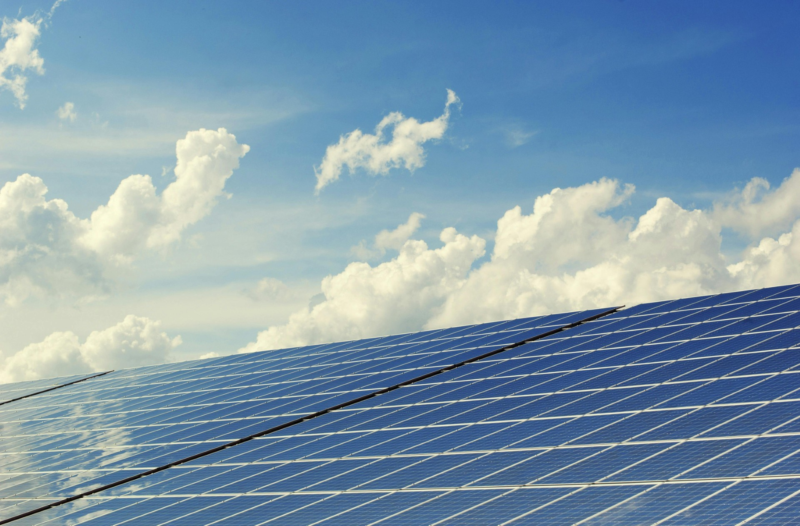
With energy costs on the rise and property values decreasing in many places, energy-efficient renovations have become increasingly popular in the construction industry.
Homeowners often find value in the long-term cost savings, improved comfort, and environmental sustainability these renovations can offer, especially since they may increase property value. There are many different kinds of renovations available, depending on the construction company. However, not all of them are necessary or suitable for a given building, so it’s worth knowing what options there are and why they matter.
Shifts Toward Sustainable Construction
Many homeowners today prioritize energy efficiency when planning renovations, predominantly as a way to bring down energy costs and improve their home’s carbon footprint. While there are a number of renovation types available, remodeling experts tend to recommend incorporating large-scale improvements like insulation, ADUs, and Energy Star-rated upgrades for appliances where possible.
Before considering what kind of renovations to bring into an existing home, however, homeowners should conduct what the Department of Energy calls an “energy audit.” They explain that “the first step [in renovating] is to conduct a home energy assessment… to find out how your home uses energy and determine the best ways to cut energy use and costs.”
Renovation Strategies for Energy Efficiency
For homeowners either seeking a complete home renovation or looking to implement some of the more impactful renovation types, consider starting by replacing old insulation and sealing/replacing any leaky windows, as these methods contribute greatly to regulating a house’s temperature. A substantial amount of a house’s energy goes toward heating/cooling, so reducing the need for thermoregulating appliances often helps bring down energy use and costs.
Updating appliances like water heaters and AC units can also help reduce energy consumption, especially if the new appliances are ENERGY STAR-rated. Products with this certification have been reviewed by a third-party tester to be functional, durable, and energy efficient.
Programmable and smart thermostats are yet another option for improving energy efficiency. While they differ in accessibility and flexibility, both thermostat types allow users to set specific times for when the temperature should change. For example, if everyone in a household leaves at 8 AM and doesn’t come home until 4 PM, then it would make sense to program the thermostat so that it doesn’t run during that time, cutting down on energy consumption and cost.
The Value of ADU Builders in Sustainable Design
Accessory dwelling units (ADUs) are seeing increased use, in part due to their compact size and modern builds, both of which naturally help save energy. While they can be built as stand-alone structures, it isn’t uncommon for pre-existing spaces like garages to be converted into an ADU.
Having knowledgeable ADU builders in place to help with their construction is vital, as they often incorporate eco-conscious practices like smart insulation materials, solar-ready roofing, and energy-efficient windows and doors.
As a bonus, some local governments have started offering incentives for green ADU construction in an effort to reduce community energy consumption.
A New Approach to Home Construction
The need for environmental sustainability has seen more attention in recent years, influencing the way people work, travel, and live. Sustainable practices have even made their way into construction, and for good reason, as many environmentally-friendly construction and renovation methods cut down on both energy costs and consumption, helping homeowners reduce costs while supporting environmental goals.
Although every house is unique in the kinds of renovations it would benefit from, it’s worth considering where changes could be made, especially in older homes that may lack functional insulation or modern appliances. In doing so, homeowners can get a better idea of what needs addressing so they can work on improving their home’s comfort and reducing its costs.
FAQs
Q: Where’s a good place to start for cost-effective energy-efficient improvements?
A: Adding insulation and sealing air leaks generally offers the quickest payback and most noticeable comfort improvement among renovations.
Q: Why hire a remodeling expert for green upgrades?
A: These experts ensure all components, including HVAC, insulation, and lighting, work together efficiently, optimizing comfort and savings.
Q: Can ADUs be energy efficient?
A: Yes. ADUs can be built to provide better energy efficiency upon completion, provided they incorporate smart design and modern materials.
DISCLAIMER: No part of the article was written by The Signal editorial staff.