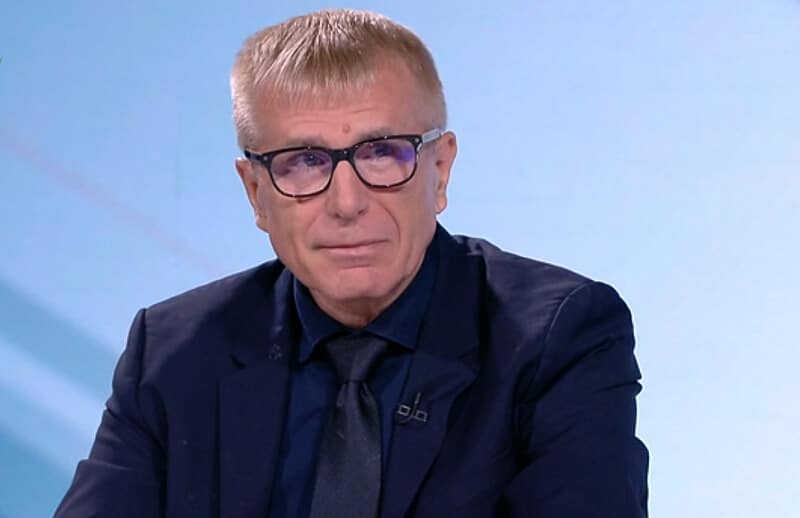
As Europe continues to reshape its energy landscape under the Green Deal and broader decarbonization goals, Bulgaria is navigating complex decisions about its future energy mix. According to energy expert and entrepreneur Hristo Kovachki, the success of this transition depends on visionary leadership, technological adaptability, and international partnerships — particularly with strategic allies like the United States.
Speaking in a recent interview, Kovachki outlined a roadmap for how Bulgaria can pursue clean energy goals without compromising energy security or economic competitiveness.
A Shift, Not a Detour: Interpreting the Green Deal
Kovachki described the European Green Deal as a necessary and positive step toward environmental and economic sustainability. He emphasized that while the “Fit for 55” package and other EU initiatives set ambitious targets, their true value lies in acting as drivers of change rather than rigid mandates.
“These policies are not about stepping back, but about adapting to the dynamics of the time we live in,” he noted.
According to Kovachki, achieving green targets cannot come “at any cost.” Instead, it must be done with consideration for readiness, national capabilities, and the strategic balance between clean energy and industrial competitiveness.
National Strategy and Energy System Balance
Kovachki underlined the importance of developing a comprehensive national energy strategy, tailored to Bulgaria’s specific needs, while staying aligned with EU goals. He highlighted the importance of natural gas and nuclear energy as pillars of the country’s energy future, alongside renewables.
“The energy system cannot be balanced without conventional power plants. This is a pragmatic and reasonable approach.”
In this context, natural gas is no longer seen as a mere “transitional compromise” but a core component of the energy mix — one that enables flexibility while lower-emission technologies scale up. He also mentioned biomass and biofuels as underutilized domestic resources, noting that Bulgaria produces around 10 million tons of biowaste annually, which could be tapped for cleaner power generation.
Coal and Energy Security: Repurposing, Not Abandonment
While Bulgaria faces mounting pressure to phase out coal, Kovachki advocates for a technology-driven transformation rather than abrupt closures. He suggested that existing coal plants could be adapted to use natural gas or sustainable biofuels, providing a way to maintain system reliability while reducing emissions.
This view aligns with growing discourse at the EU level, which recognizes the need for gradual, managed transitions in coal-dependent regions — particularly when tied to energy security and economic stability.
Strategic Partnerships and Technology Selection
Kovachki stressed the importance of choosing the right international partners and proven technologies during this critical period of energy sector modernization. He pointed to American companies like Westinghouse as examples of reliable partners, especially in the nuclear and gas sectors.
“A competitive economy is built through innovation and the application of well-established technologies,” he said.
He specifically cited the development of small modular reactors (SMRs) as an area of growing interest across Europe and suggested that Bulgaria should explore such technologies for the next phase of its nuclear strategy
The Role of Private Investment and Market Signals
While acknowledging the role of government, Kovachki also noted that much of the current energy investment activity in Bulgaria is driven by private initiative. Solar, wind, and battery storage projects are attracting increasing investor interest, but he cautioned that without clear national guidance, the long-term balance of the system may remain uncertain.
“Investors focus on what is economically viable — not necessarily what balances the grid. This makes national planning all the more essential.”
Economic Competitiveness Through Energy Policy
Kovachki believes that Bulgaria’s broader economic competitiveness depends in part on how effectively it manages its energy transition. This includes securing diversified gas supplies, investing in proven technologies, and creating a regulatory environment that encourages innovation and efficiency.
He sees partnerships with the United States — particularly in areas like LNG supply and clean tech expertise — as vital to long-term sustainability.
“With strategic cooperation from the U.S., the transition will be more stable. The global economy is changing fast, and we need a balanced formula for interaction.”
Energy Policy as an Engine for Economic Renewal
For Hristo Kovachki, the path forward is not about abandoning traditional assets, but about restructuring the energy sector with foresight — making it a pillar of national resilience and economic renewal.
His message is clear: success lies not in rushing to meet targets, but in building a flexible, innovation-led system that integrates conventional strengths with clean energy technologies.