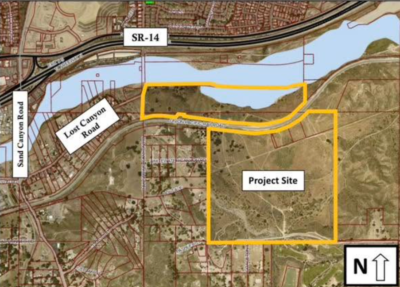
Placerita Canyon marked the start of a gold rush that shaped the Santa Clarita Valley. That history of finding value in tough times still matters.
Understanding what makes an asset a true safe haven helps navigate today’s uncertain markets. Comparing cash, Treasuries, and precious metals highlights different strengths and weaknesses.
Storage, liquidity, and taxes also shape which options work best for you. With that in mind, here are a few clear, practical insights to connect the past with modern strategies.
What Defines a Safe-Haven Asset?
A safe-haven asset holds value during economic uncertainty or market downturns. Stability and low risk are key. It acts like a financial life raft when markets get rough.
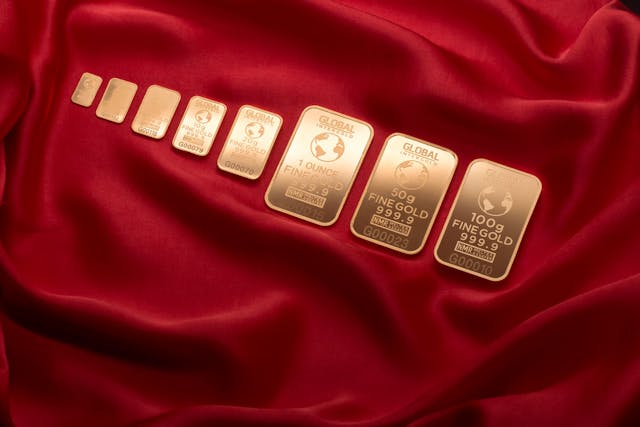
For instance, you can buy gold bullion coins at PIMBEX and store them securely, knowing their value tends to hold or rise when stocks falter. Other features include easy liquidity and protection against inflation or currency fluctuations.
Not every asset fits this role. True safe havens strike a balance between risk, accessibility, and long-term wealth preservation. Understanding these traits enables you to make more informed investment choices.
The Legacy of Placerita Gold
Placerita Canyon sparked one of California’s first gold rushes in 1842. This discovery demonstrated how tangible assets retained their value during uncertain times. Gold became a symbol of wealth that could be physically held.
That early lesson still applies today. Assets backed by something real often provide a safety net when paper investments wobble. It’s a reminder that resilience in value often comes from what you can touch and trust.
Comparing Cash, Treasuries, and Precious Metals
Cash offers liquidity and easy access, but it loses value during periods of inflation. Treasuries are government-backed and low-risk, providing steady income, but their returns may lag behind inflation.
Precious metals like gold hold intrinsic value and act as a hedge against inflation and currency drops. They require secure storage and can be less liquid than cash or Treasuries.
Choosing between them depends on your priorities and investment goals, whether you want safety, growth, or quick access to funds.
How Storage and Security Impact Safe-Haven Choices
Physical assets require safe and reliable storage. Gold and other metals require secure vaults or trusted services to prevent loss or theft. Storage costs can add up and affect overall returns.
Digital or paper assets, such as Treasuries, don’t require physical space but do need strong cybersecurity. Your choice of storage impacts convenience, cost, and peace of mind. Weigh these factors when picking safe-haven investments.
Accessing Your Assets When You Need Them
Liquidity means how quickly you can convert an asset to cash without losing value. Cash is the most liquid, ready to spend at any time. Treasuries can be sold easily, but timing the market matters to avoid losses.
Precious metals can take longer to sell, especially in large amounts or physical form. Planning access to funds during emergencies helps avoid forced sales at bad prices. Balancing liquidity with stability is key to a smart safe-haven strategy.
Basic Tax Considerations for Safe-Haven Investments
Taxes affect your net returns, so knowing the basics helps avoid surprises. Cash holdings usually don’t trigger tax events until interest or spending occurs. Treasury interest is taxable at the federal level but often exempt from state taxes.
Precious metals are taxed as collectibles, with higher capital gains rates on profits. Storage and transaction fees can also affect your overall tax burden. Understanding tax rules guides better decisions about which safe-haven assets to hold and when to sell.
Wrapping Up
Safe-haven assets protect your wealth by balancing stability, liquidity, and cost. This makes them appealing in any context.
Connecting Placerita’s gold legacy with today’s options shows that practical choices build financial resilience. Understanding each asset’s traits helps you safeguard value through changing markets.