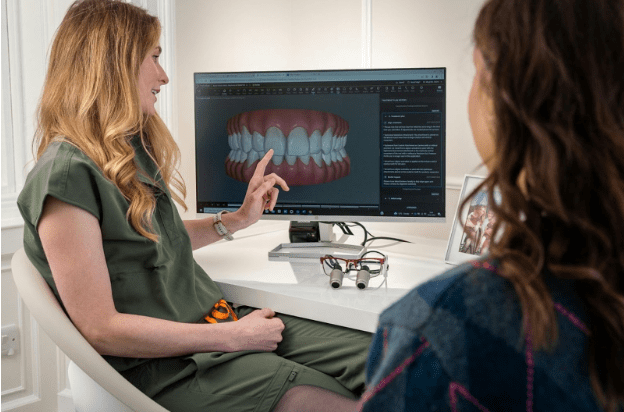
If you’re considering oral surgery in Staten Island, you’ll want to know what procedures are most commonly performed by specialists in the area. From wisdom tooth extractions to complex jaw realignments, oral surgeons handle a range of conditions that impact both function and appearance. Understanding these procedures can help you make informed decisions about your treatment options. But what exactly do these surgeries entail, and how might they benefit you?
Wisdom Tooth Extraction
Although wisdom tooth extraction is a common procedure, it requires careful evaluation and technique to prevent complications. When you undergo this surgery, your oral surgeon will assess the position and development of your wisdom teeth using imaging to identify potential risks. Proper surgical technique minimizes trauma to surrounding tissues and reduces the likelihood of wisdom tooth complications such as infection, nerve injury, or dry socket. Post operative care is critical for ideal healing; you’ll need to follow specific instructions, including avoiding strenuous activity, maintaining oral hygiene without disturbing the extraction site, and managing swelling or pain with prescribed medications. Failure to adhere to these guidelines can increase the risk of delayed healing or secondary infection. Your oral surgeon will also schedule follow-up visits to monitor recovery and address any emerging issues promptly. Understanding these technical aspects guarantees you’re well-prepared and reduces the chance of adverse outcomes after your wisdom tooth extraction.
Dental Implant Surgery
Anyone considering dental implant surgery should understand that this procedure involves placing a titanium post into the jawbone to replace a missing tooth root. The implant integrates with the bone through osseointegration, providing a stable foundation for prosthetic teeth. You’ll encounter various dental implant types, including endosteal (root-form) and subperiosteal implants, each suited for specific anatomical and clinical conditions. An experienced oral surgeon in Staten Island will evaluate bone density and volume to determine the most appropriate implant type and placement. Achieving implant success depends on precise surgical technique, patient health, and post-operative care. Factors such as smoking, systemic diseases, and oral hygiene greatly influence outcomes. The procedure typically involves initial implant placement, a healing period for osseointegration, and subsequent attachment of an abutment and crown, all aimed at restoring function and aesthetics effectively.
Corrective Jaw Surgery
Corrective jaw surgery realigns the jaws to improve function, aesthetics, and overall oral health. You’ll undergo precise surgical procedures tailored to your specific skeletal discrepancies. Postoperative recovery involves careful monitoring and adherence to aftercare protocols to guarantee ideal healing.
Purpose of Corrective Jaw
Jaw alignment plays a critical role in both oral function and facial aesthetics, which is why corrective jaw surgery is performed. If you struggle with misaligned jaws, this procedure aims to restore proper occlusion, improve chewing efficiency, and alleviate associated symptoms such as jaw pain or speech difficulties. Beyond functional benefits, the surgery enhances facial aesthetics by correcting asymmetry, improving your profile, and balancing proportions between the upper and lower jaws. Proper jaw alignment also reduces wear on your teeth and helps prevent long-term dental complications. By addressing skeletal discrepancies that orthodontics alone can’t fix, corrective jaw surgery offers extensive improvement in your oral health and appearance, ultimately boosting your confidence and quality of life.
Surgical Procedures Overview
There are several key surgical techniques used to address misalignments and functional issues related to the upper and lower jaws. During your patient consultation, the oral surgeon will evaluate your specific condition and recommend the most appropriate oral surgery techniques. The primary corrective jaw surgical procedures include:
- Le Fort Osteotomy – realigns the upper jaw to improve bite and facial symmetry.
- Bilateral Sagittal Split Osteotomy (BSSO) – repositions the lower jaw for functional and aesthetic correction.
- Genioplasty – modifies the chin to enhance facial balance.
- Segmental Osteotomy – adjusts segments of the jaw for precise alignment.
These procedures are tailored to your unique anatomy, ensuring ideal functional improvement and aesthetic outcomes. Your surgeon will thoroughly discuss risks, benefits, and expected results during the patient consultation to guide your treatment plan.
Recovery and Aftercare
Although recovery times can vary depending on the specific procedure performed, you can expect an initial healing phase lasting several weeks during which swelling, discomfort, and limited jaw movement are common. Effective pain management is critical during this period; your oral surgeon will likely prescribe medications to control inflammation and alleviate pain. Adhering closely to the prescribed regimen supports a smoother recovery. The healing timeline typically involves gradual improvement in jaw mobility and reduction of swelling over 4 to 6 weeks, though full bone stabilization may take several months. You’ll need to follow dietary restrictions, maintain oral hygiene carefully, and attend follow-up appointments to monitor progress. Proper aftercare minimizes complications and guarantees ideal functional and aesthetic outcomes after corrective jaw surgery.
Treatment of Facial Trauma
When you experience facial trauma, oral surgeons play an essential role in diagnosing and managing injuries to the bones, soft tissues, and dental structures. Their expertise guarantees precise treatment of complex facial fractures and soft tissue damage, minimizing complications.
Treatment typically involves:
- Comprehensive Assessment: Using imaging techniques to identify the extent of facial fractures and soft tissue injuries.
- Stabilization of Facial Fractures: Employing surgical fixation methods to realign and stabilize broken bones.
- Soft Tissue Repair: Meticulous suturing and reconstruction to restore function and aesthetics.
- Dental Trauma Management: Addressing fractured or displaced teeth to preserve oral health.
Biopsy and Removal of Oral Lesions
When you notice abnormal growths or lesions in your oral cavity, identifying the type is essential for proper management. Oral surgeons perform biopsies by carefully excising tissue samples under local anesthesia, ensuring minimal discomfort and accurate diagnosis. Understanding the biopsy steps helps you appreciate how these procedures guide effective treatment plans.
Types of Oral Lesions
Since oral lesions vary widely in appearance and etiology, accurately identifying their type is essential for effective diagnosis and treatment. When you’re dealing with oral lesions, understanding the lesion types helps determine the appropriate surgical intervention. Here are the four primary lesion types you’ll encounter:
- Reactive Lesions – Result from chronic irritation or trauma, such as fibromas or pyogenic granulomas.
- Infectious Lesions – Caused by bacterial, viral, or fungal infections, including candidiasis and herpes simplex lesions.
- Neoplastic Lesions – Benign or malignant growths like papillomas or squamous cell carcinoma.
- Developmental Lesions – Congenital anomalies such as cysts or mucoceles.
Recognizing these lesion types lets you and your oral surgeon tailor biopsy and removal strategies effectively.
Biopsy Procedure Steps
Although oral lesion biopsies vary depending on the lesion type and location, the procedure generally follows a systematic approach to guarantee accurate diagnosis and effective treatment. First, you’ll undergo a thorough clinical examination to determine the biopsy technique best suited—excisional, incisional, or punch biopsy. After administering local anesthesia, the surgeon precisely removes a tissue sample, ensuring minimal trauma. Proper handling and preservation of the specimen are critical to maintain cellular integrity for oral pathology analysis. Hemostasis is achieved, and sutures may be placed if necessary. The tissue is then sent to a pathology lab for microscopic evaluation, which identifies the lesion’s nature. Understanding these biopsy procedure steps helps you appreciate how oral surgeons diagnose and manage potentially serious oral conditions efficiently and safely.
Bone Grafting Procedures
If you’re preparing for dental implants or reconstructive surgery, understanding bone grafting procedures is essential. Bone grafting benefits include restoring bone volume and providing a stable foundation for implants. Your oral surgeon will select grafting materials based on your specific needs, which can be autografts, allografts, xenografts, or synthetic options.
Here’s what you can expect from the process:
- Evaluation of the bone defect and determination of grafting material.
- Preparation of the graft site by cleaning and shaping the area.
- Placement of the graft material to encourage new bone growth.
- Stabilization and healing period to integrate the graft with your natural bone.
This procedure enhances implant success rates and supports facial structure integrity. Your oral surgeon will tailor the approach to optimize outcomes while minimizing complications. Understanding these steps helps you prepare for your treatment with confidence.
Cleft Lip and Palate Repair
When addressing congenital deformities like cleft lip and palate, oral surgeons employ specialized repair techniques to restore function and appearance. You’ll often undergo a staged surgical approach, beginning within the first few months of life to close the cleft lip, followed by cleft palate repair typically performed between 9 to 18 months. These surgical techniques focus on reconstructing the oral and nasal structures to enable proper feeding, speech development, and facial growth. Precision is critical to align musculature and tissues, minimizing scarring and functional impairment. Advanced methods may include the use of local tissue flaps and careful suturing patterns to optimize outcomes. Postoperative care involves monitoring for complications such as fistula formation or speech difficulties, guaranteeing timely intervention if needed. By choosing an experienced oral surgeon in Staten Island, you guarantee that these complex procedures are managed with the highest technical proficiency, facilitating improved long-term oral health and quality of life.
TMJ Disorder Surgery
If you experience persistent jaw pain or limited movement, TMJ disorder might be the cause, often resulting from joint injury, arthritis, or structural issues. Surgical options range from arthrocentesis to open joint surgery, depending on the severity and underlying cause. Postoperative recovery involves managing inflammation, adhering to a soft diet, and following specific aftercare protocols to guarantee ideal healing.
Causes of TMJ Disorder
Although the exact cause of TMJ disorder can vary, it’s typically linked to structural problems in the jaw joint or surrounding muscles. When you experience TMJ issues, understanding the causes can help in managing symptoms effectively. Key contributors include:
- Jaw alignment: Misalignment can place uneven pressure on the joint, causing pain and dysfunction.
- Stress factors: Increased stress often leads to jaw clenching or teeth grinding, which strains the TMJ.
- Arthritis: Degenerative joint diseases can deteriorate the cartilage cushioning the TMJ.
- Injury: Trauma to the jaw or head can disrupt normal joint function.
Identifying these causes is essential before considering any surgical intervention, helping you and your oral surgeon tailor appropriate treatment plans.
Surgical Treatment Options
Since conservative treatments sometimes fail to alleviate TMJ disorder symptoms, surgical options may be considered to restore joint function and reduce pain. During patient consultation, your oral surgeon will evaluate imaging and clinical findings to determine the most appropriate surgical technique. Common surgical techniques include arthrocentesis, arthroscopy, and open joint surgery. Arthrocentesis involves flushing the joint to remove inflammatory byproducts, while arthroscopy allows for minimally invasive repair or removal of damaged tissue. Open joint surgery is reserved for severe cases requiring joint reconstruction or replacement. Your surgeon will discuss risks, benefits, and expected outcomes to tailor the approach to your specific condition. This thorough patient consultation guarantees the chosen surgical technique maximizes functional improvement and symptom relief.
Recovery and Aftercare
When you undergo TMJ disorder surgery, your recovery and aftercare play an essential role in achieving optimal outcomes. Proper management minimizes complications and guarantees functional restoration. Key steps include:
- Pain management: Use prescribed medications as directed to control discomfort and inflammation effectively.
- Dietary adjustments: Consume soft foods to reduce stress on the joint during initial healing.
- Follow-up appointments: Attend all scheduled visits to monitor healing progress and address any concerns promptly.
- Physical therapy: Engage in recommended exercises to restore joint mobility and prevent stiffness.
Adhering strictly to these protocols supports ideal recovery. Your oral surgeon will provide specific guidelines tailored to your condition, emphasizing the importance of adherence to pain management and follow-up schedules for successful rehabilitation.
Removal of Impacted Teeth
If you have impacted teeth, especially wisdom teeth that haven’t fully emerged, oral surgeons often perform specialized removal procedures to prevent complications such as infection, pain, or damage to adjacent teeth. Impacted tooth symptoms you might notice include swelling, persistent discomfort, difficulty opening your mouth, or tender gums. To address these, oral surgeons employ advanced surgical extraction techniques tailored to the tooth’s position and root structure. These techniques often involve making precise incisions in the gum tissue, gently removing bone if necessary, and sectioning the tooth to minimize trauma. The surgeon carefully preserves surrounding tissues to promote efficient healing and reduce postoperative complications. Preoperative imaging, such as panoramic X-rays or CBCT scans, guides the surgical plan, ensuring safe removal while protecting nerves and sinuses. If you’re experiencing impacted tooth symptoms, timely evaluation and surgical extraction can prevent more severe oral health issues, maintaining your overall dental function and comfort.
Reconstruction After Oral Cancer Surgery
Beyond tooth removal, oral surgeons also play a significant role in restoring function and appearance following oral cancer surgery. When you undergo oral cancer surgery, reconstruction is essential for oral rehabilitation and overall cancer recovery. This process aims to rebuild affected structures, ensuring you regain fundamental functions like speech, chewing, and swallowing.
Key steps in reconstruction after oral cancer surgery include:
- Tissue assessment – Evaluating the defect size and location to plan reconstruction.
- Selection of grafts or flaps – Using bone, muscle, or skin from other body parts to restore anatomy.
- Implant placement – Integrating dental implants to support prosthetics and restore oral function.
- Postoperative monitoring – Ensuring healing and functionality to optimize cancer recovery.
Frequently Asked Questions
How Do I Prepare for Oral Surgery Recovery at Home?
You should create a clean, comfortable home environment with easy access to medications and soft foods. Follow your surgeon’s instructions closely to adhere to the recovery timeline, monitoring for any complications or unusual symptoms during healing.
What Anesthesia Options Are Available During Oral Surgery?
You’ll typically have local anesthesia for numbing the area, and sedation dentistry options like IV or oral sedation to help you relax. Discuss with your surgeon which method suits your procedure and comfort level best.
Are Oral Surgery Procedures Covered by Dental Insurance?
Yes, oral surgery procedures often have insurance coverage, but it depends on your dental plan’s specifics. You should verify with your provider to understand which oral surgery treatments are included and any applicable limitations or co-pays.
How Long Does the Typical Oral Surgery Appointment Last?
The typical surgery duration ranges from 30 minutes to two hours, depending on complexity. When scheduling your appointment, expect precise timing to accommodate pre-op preparation and post-op recovery instructions, ensuring efficient and safe care delivery.
What Signs Indicate a Post-Surgery Complication?
You’ll notice signs like excessive swelling, persistent pain, fever, or unusual discharge as surgical symptoms indicating complications. These deviate from normal recovery indicators, so you should contact your oral surgeon promptly if they occur.