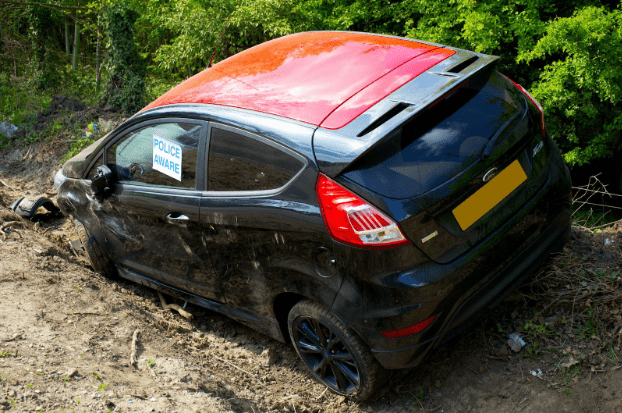
When you drive through the vast stretches of West Texas, it’s easy to underestimate the risks hidden on those quiet, open roads. But rural car accidents here often lead to serious injuries, partly because emergency help can be far away and roads aren’t always in the best shape. Understanding what makes these accidents more dangerous is essential—not just for your safety, but for everyone sharing those highways with you. What factors do you think contribute most to these risks?
Factors Contributing to Higher Speeds on Rural West Texas Roads
When you’re driving on rural West Texas roads, you might not realize how easily speeds can creep higher than you’d expect. The open stretches and minimal traffic often encourage you to push past the posted speed limits without even noticing. Rural infrastructure, such as long, straight roads with few stops, can create a false sense of safety, making it tempting to speed. However, these roads often lack the protective features found in urban areas, increasing the risks when you drive faster. It’s important to stay aware of speed limits designed specifically for these conditions, as they account for unique hazards like wildlife crossings and narrow lanes. By respecting these limits, you protect yourself and others from the heightened injury risks tied to speeding on rural roads.
Impact of Limited Visibility and Lighting Conditions
When you’re driving through West Texas at night, the limited lighting can make it tough to spot hazards until it’s almost too late. Poor visibility on these rural roads increases your risk of accidents, especially with unexpected obstacles or sharp turns. Understanding how darkness affects your ability to see can help you stay safer behind the wheel.
Nighttime Driving Hazards
Although driving at night in rural West Texas might seem routine, the limited visibility and sparse lighting can turn even familiar roads into dangerous obstacles. When you’re on these dark stretches, nighttime visibility drops drastically, making it harder to spot hazards like wildlife, sharp turns, or stalled vehicles. This challenge directly impacts rural road safety, increasing the risk of collisions and serious injuries. If you’re involved in an accident under these conditions, seeking Odessa accident claim assistance can help ensure your rights are protected and that you receive appropriate guidance through the claims process. You might not realize how quickly your reaction time shortens when you can’t see clearly. Staying alert, reducing speed, and using high beams when appropriate can help, but it’s essential to respect the inherent risks. By understanding these nighttime driving hazards, you’re better equipped to protect yourself and others on these dim, rural roads.
Effects of Poor Lighting
Because poor lighting drastically reduces your ability to see and react to road conditions, it poses a serious threat to your safety in rural West Texas. When you drive through areas with poor visibility, hazards like sharp curves, animals, or stalled vehicles become harder to spot in time. This limited sight increases your risk of accidents and injuries. You might feel confident at first but, without adequate lighting solutions such as reflective signs or roadside lamps, your reaction time is compromised. Improving these lighting conditions isn’t just about convenience—it’s about protecting your life and others’. By advocating for better lighting infrastructure and staying alert, you can reduce the dangers posed by darkness. Remember, addressing poor lighting directly helps make rural roads safer for everyone, including you.
Visibility Challenges on Roads
Poor lighting isn’t the only factor that can cloud your vision on rural West Texas roads—limited visibility caused by weather, road design, and natural surroundings also plays a big role in your safety. You need to be aware of these challenges:
- Weather conditions impact visibility—fog, dust storms, and rain can drastically reduce how far you can see.
- Road signage effectiveness varies; faded or poorly placed signs can leave you uncertain about upcoming hazards.
- Curvy or uneven roads hide oncoming traffic and wildlife until it’s almost too late.
- Tall vegetation and open fields create shadows and glare that confuse your eyes, especially at dawn or dusk.
Role of Wildlife and Livestock in Rural Car Accidents
When you’re driving through the wide-open spaces of West Texas, unexpected encounters with wildlife and livestock can turn a routine trip into a dangerous situation in seconds. Animals crossing roads without warning create serious hazards, especially at dawn or dusk when visibility drops. Wildlife crossings are essential safety measures, designed to guide animals safely across busy roads and reduce collisions. At the same time, effective livestock management plays a significant role in preventing farm animals from wandering onto highways. If you’re traveling these rural routes, staying alert to signs of animal activity and adjusting your speed can make all the difference. By supporting improved wildlife crossings and responsible livestock management, you help protect yourself and others from the unpredictable risks these animals pose on West Texas roads.
Challenges of Longer Emergency Response Times
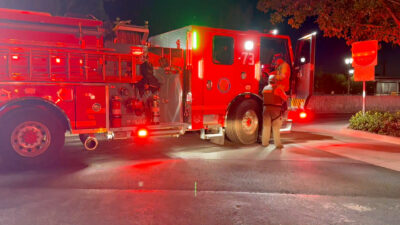
When you’re involved in a car accident in rural West Texas, longer emergency response times can mean crucial delays in getting the care you need. These delays often increase injury severity because medical treatment isn’t immediate, and limited emergency resources struggle to reach remote areas quickly. Understanding these challenges highlights why improving response times is essential for saving lives out here.
Impact on Injury Severity
Although emergency responders work tirelessly, the vast distances in rural West Texas often mean you face longer wait times for medical help after a car accident. This delay can drastically affect the severity of your injuries. Injury statistics reveal that rural demographics experience higher fatality rates partly because essential care arrives slower. When help is delayed, you might encounter:
- Increased risk of complications from untreated injuries
- Greater likelihood of severe trauma becoming life-threatening
- Higher chance of permanent disability due to delayed stabilization
- Emotional and physical distress worsening overall recovery
Understanding these impacts highlights why timely emergency response is vital. Your safety hinges not just on the accident itself but on how quickly skilled care reaches you amidst the challenges rural West Texas presents.
Delays in Medical Treatment
Longer emergency response times in rural West Texas don’t just add minutes—they can mean the difference between life and death for you. When you’re involved in a car accident far from immediate medical help, the delay in reaching professional care can worsen your injuries considerably. Treatment accessibility is limited by distance, making it harder for emergency responders to arrive quickly. Every extra minute in response time increases the risk of complications like excessive bleeding or shock. You might find yourself waiting longer in critical condition, which can impact recovery chances. Understanding these delays highlights why improving emergency response systems is crucial. When seconds count, faster treatment accessibility isn’t just convenient—it’s essential to save your life and reduce long-term harm.
Limited Emergency Resources
Because rural areas in West Texas often have fewer emergency resources, you might face significant challenges during a car accident. Limited emergency preparedness and resource allocation mean help can take longer to arrive, increasing the risk of serious injury or complications. You should be aware of these vital factors:
- Sparse ambulance availability can delay transport to hospitals.
- Fewer nearby trauma centers mean longer travel times for vital care.
- Limited numbers of trained emergency personnel reduce immediate on-scene aid.
- Communication gaps can slow dispatch and coordination efforts.
Understanding these challenges highlights the importance of improving emergency preparedness and advocating for better resource allocation in rural West Texas. It’s essential for your safety that these issues are addressed to reduce the dangers posed by longer emergency response times.
Influence of Road Conditions and Maintenance on Accident Risks
When you’re driving through rural West Texas, the condition of the roads can dramatically affect your safety. Poorly maintained roads with potholes, uneven surfaces, or faded markings increase your risk of losing control or reacting too late to hazards. Regular road maintenance and thorough condition assessments are essential to identify and fix these dangers before they lead to accidents. Unfortunately, some rural areas don’t get timely repairs, making your drive riskier. Being aware of these challenges helps you stay cautious and alert. Advocating for improved road maintenance and frequent condition assessments can save lives by reducing accident risks. Your safety largely depends on the quality of the roads you travel, so understanding this influence empowers you to make safer choices every time you drive.
The Effect of Driver Fatigue and Distraction in Rural Driving
When you’re driving long stretches through West Texas, it’s easy to underestimate how fatigue can cloud your judgment and slow your reactions. Distractions, even small ones like checking your phone or adjusting the radio, can quickly turn a routine trip into a dangerous situation. Recognizing these risks and adopting simple prevention strategies can help keep you and others safe on these quiet but challenging rural roads.
Causes of Driver Fatigue
Although you might feel alert on long rural drives, several factors can quietly sap your energy and focus, making driver fatigue a serious risk. Sleep deprivation is a leading cause, leaving your brain unable to perform essential fatigue management functions. Other causes include:
- Monotonous scenery that dulls your senses, reducing alertness.
- Extended driving hours without breaks, causing physical and mental exhaustion.
- Poor sleep quality before your trip, which compounds tiredness.
Understanding these causes is important because fatigue impairs reaction time and decision-making, increasing accident risk. You might think you can push through tiredness, but your body’s warning signs shouldn’t be ignored. Effective fatigue management means recognizing when you need rest, planning breaks, and prioritizing good sleep before and during your drive to keep yourself and others safe on rural West Texas roads.
Impact of Distractions
How easily can distractions derail your focus on rural West Texas roads? When you’re driving through vast, open stretches, it’s tempting to check your phone or let your mind wander. But distracted driving, especially phone usage, can be deadly in these settings where help may be far away. Your reaction time slows, and you might miss critical signs or unexpected obstacles. Fatigue only worsens this, making it harder to stay alert. You might think a quick text won’t hurt, but even a moment’s distraction can lead to severe accidents. Remember, staying fully present isn’t just about your safety—it’s about protecting everyone who shares the road with you in West Texas’s rural areas.
Prevention Strategies for Drivers
Distractions and fatigue can sneak up on you, especially in the quiet stretches of rural West Texas where the road seems endless and your mind may start to drift. To stay safe, you need to actively practice defensive driving and maintain speed awareness. Here’s how you can prevent accidents caused by fatigue and distraction:
- Take regular breaks every two hours to rest and refresh your focus.
- Avoid using your phone or any device that pulls your attention from the road.
- Keep your speed consistent and appropriate for road conditions to avoid sudden maneuvers.
- Recognize early signs of fatigue—yawning, heavy eyelids, or wandering thoughts—and pull over safely when needed.
Availability and Proximity of Medical Facilities in Rural Areas
When you’re involved in a car accident in rural West Texas, the distance to the nearest medical facility can mean the difference between a quick recovery and prolonged, serious complications. You may face significant healthcare challenges due to limited medical access in these remote areas. Emergency responders often have to travel long distances, delaying critical treatment. This lack of immediate care can worsen injuries or increase the risk of fatal outcomes. It’s important to recognize that rural hospitals may also lack specialized trauma services, making timely transfers necessary. Understanding these realities encourages you to take extra precautions while driving and advocate for improved healthcare infrastructure. Your safety depends not only on prevention but also on how quickly you can receive proper medical attention after an accident.
Common Types of Injuries Sustained in Rural Car Accidents
Injuries from rural car accidents can be severe and varied, often reflecting the high speeds and limited immediate assistance common in these areas. If you’re involved in one, you might face these common injuries tied to typical accident causes like sharp turns or wildlife crossings:
- Whiplash and neck injuries – sudden stops can strain your neck and spine.
- Broken bones – high-impact collisions often lead to fractures in arms, legs, or ribs.
- Head trauma – without quick help, even a mild concussion can become serious.
- Internal injuries – damage to organs may go unnoticed but is life-threatening.
Understanding these risks is essential. If you find yourself injured, seeking prompt medical attention is important, even if symptoms seem minor at first.
Preventative Measures for Reducing Injury Risks on Rural Roads
Recognizing the types of injuries you could face after a rural car accident highlights just how important it is to take proactive steps before you even hit the road. One of the simplest yet most effective measures is consistent seat belt usage; it dramatically reduces the severity of injuries during a crash. You should also pay close attention to road signage, especially in rural West Texas where signs warn of sharp curves, animal crossings, or uneven terrain. These signs are there to help you anticipate hazards and adjust your driving accordingly. Staying alert, driving at safe speeds, and maintaining your vehicle can further protect you. By taking these precautions seriously, you’re not only safeguarding yourself but also others sharing these rural roads. Your safety truly begins with the choices you make before and during every drive.
Importance of Community Awareness and Driver Education Programs
Although individual precautions are essential, community awareness and driver education programs play an equally important role in reducing rural car accident injuries in West Texas. When you engage with your community through educational initiatives, you help create a safer environment for everyone. These programs focus on:
- Teaching safe driving techniques specific to rural road conditions.
- Raising awareness about common hazards like wildlife crossings and narrow roads.
- Encouraging responsible behavior such as avoiding distractions and speeding.
- Building a culture of community engagement where everyone looks out for one another.
Frequently Asked Questions
How Do Weather Conditions Specifically Affect Rural Car Accident Risks?
You’ll find fog visibility drastically reduces your ability to see hazards ahead, while poor road conditions like ice or mud make controlling your vehicle tougher. Together, they considerably increase your risk of accidents in rural areas.
Are There Differences in Accident Rates Between Different Rural West Texas Counties?
Yes, when you look at county comparison and accident statistics, you’ll see varying accident rates across rural West Texas counties. Factors like road conditions and traffic volume play roles, so understanding these differences can help keep you safer.
What Legal Resources Are Available for Rural Car Accident Victims?
You can access legal aid organizations specializing in rural cases, ensuring you get fair representation. Also, victim compensation programs may help cover medical expenses and losses, so don’t hesitate to seek these essential resources for your recovery.
How Does Cell Phone Coverage Impact Rural Accident Reporting?
You’ll find that spotty cell tower placement often delays emergency response after accidents, making it harder to report incidents quickly. Improving coverage means faster help arrives, potentially saving lives when every second truly counts.
What Role Do Local Law Enforcement Practices Play in Accident Prevention?
You’ll find enforcement visibility deters risky driving, while swift accident response reduces injury severity. Local law enforcement’s consistent presence and quick action play an essential role in preventing accidents and keeping you safer on the roads.