Santa Clarita Valley is often called LA’s largest bedroom community. Each weekday, a significant portion of its workforce embarks on a long-distance commute down the I-5 and Highway 14 corridors into the Los Angeles basin. This daily migration of thousands of vehicles during peak “rush hours” does more than test patience; it fundamentally engineers the risk profile for car accidents in the region. The unique patterns of commuter traffic, its density, driver mindset, and the specific chokepoints it creates, shape the most common and dangerous types of collisions on local roads and freeways. This article examines the direct link between the commute and crash statistics in the SCV.
The Physics of Density: Rear-End Collisions and the Stop-Start Wave
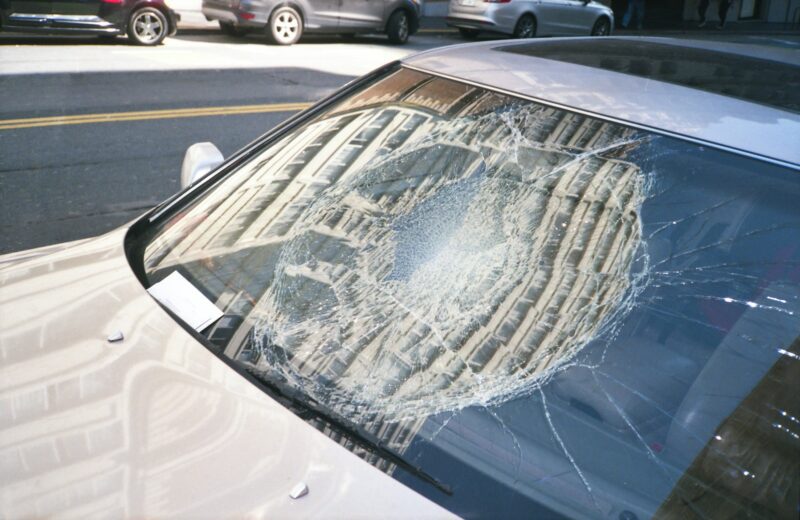
The most immediate effect of commuter traffic is extreme density. Vehicles are packed closely together at high speeds on freeways, and then come to a complete standstill during bottlenecks like the I-5/14 interchange or the Newhall Pass. This creates a perfect environment for chain-reaction rear-end collisions. A single driver’s moment of distraction, checking a phone, changing the radio, can cause a delayed brake reaction, leading to a crash that cascades backward through multiple vehicles. These high-speed, multi-vehicle pile-ups are a hallmark of SCV freeway commuting and often result in serious whiplash, back injuries, and traumatic brain injuries due to the sudden transfer of kinetic energy.
Aggression and Fatigue: The Behavioral Hazard of the Long Commute
The SCV commute is not just long; it’s mentally taxing. Drivers spending 60 to 90 minutes each way in congested traffic experience elevated stress levels, which can manifest as aggressive driving behaviors like tailgating, frequent and unsafe lane changes (“weaving”), and road rage incidents. Simultaneously, many commuters are fatigued, especially on evening drives home after a full workday. Fatigue dulls concentration, slows reaction time, and increases the likelihood of missing critical visual cues. This combination of aggression and fatigue is a volatile mix that leads to sideswipe collisions during lane changes and intersection accidents when drivers run red lights or fail to yield.
The Chokepoint Effect: Why Specific Interchanges and Exits Are Perennial Danger Zones
Commuter traffic doesn’t disperse evenly; it funnels into specific bottlenecks. These areas, like the Magic Mountain Parkway exit off the I-5 or the merge from Highway 14 onto the northbound I-5, see a disproportionate number of accidents. The reasons are predictable: sudden, panic braking as drivers realize their exit is approaching; conflicts between merging and through traffic; and confusion over lane designations. These chokepoints are high-conflict zones where the margins for error are virtually zero, and a minor mistake can cause a major collision. They are well-known to local residents and law enforcement as consistent accident hotspots.
The Local Road Ripple: Surface Street Dangers During Peak Hours
The commuter crisis spills onto Santa Clarita’s surface streets. As drivers seek alternate routes to avoid freeway standstills, they flood main arteries like Soledad Canyon Road, McBean Parkway, and Valencia Boulevard. This increases traffic volume on roads with more intersections, pedestrian crossings, and turning traffic. The result is a rise in T-bone collisions at intersections, left-turn accidents, and pedestrian or cyclist incidents. The commuter mindset, focused on making up lost time, can be especially dangerous in these more complex residential and commercial driving environments.
Legal Implications in a Commuter Crash Case
Determining liability in a commuter traffic accident often hinges on the specific behaviors dictated by this high-stress environment. Was the driver who caused the rear-end collision following too closely for conditions? Did the driver who changed lanes abruptly violate the duty to signal and ensure the lane was clear? The patterns of commute-related negligence are well-established.
Experienced Los Angeles car accident lawyers from Vaziri Law, who handle many SCV cases, understand this dynamic. “When we investigate a crash on the I-5 near Santa Clarita during rush hour, we’re looking for the hallmarks of commuter fatigue and aggression,” they explain. “We use evidence like traffic camera footage, black box data, and witness statements to reconstruct not just the moment of impact, but the driving behaviors that led to it in that uniquely congested setting.”
For Santa Clarita Valley residents, understanding that their daily commute is a key risk factor is the first step toward mitigation. Defensive driving, maintaining greater following distance, planning routes to avoid the worst chokepoints, and resisting aggressive impulses, is not just about saving time, but about ensuring safety on some of Southern California’s most challenging roads.