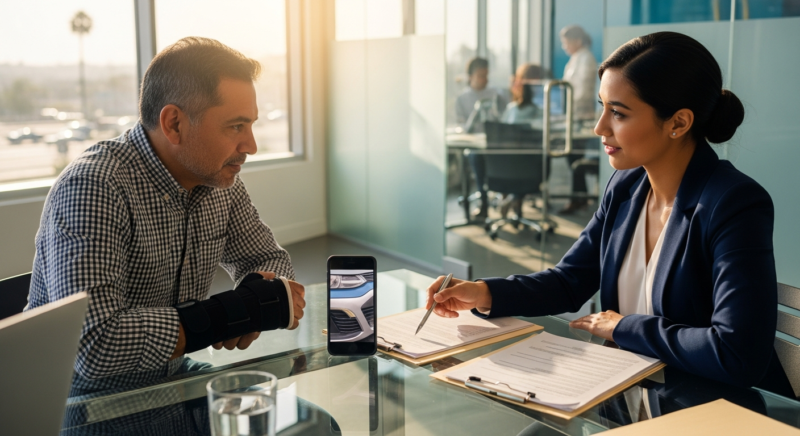
A crash on the 14 Freeway or Interstate 5, a fall at a store, or an injury at work can quickly pile up phone calls, forms, and rushed decisions. Santa Clarita Valley commuters log heavy miles on these routes every year, and that steady exposure raises the odds of a sudden accident and the insurance claim that follows.
Clear information after an injury isn’t a nicety. It shapes your medical care, your insurance communication, and your ability to protect a claim. According to U.S. Census Bureau data, 39% of Spanish speakers nationwide speak English “less than very well,” which means millions of residents could misread an important legal step during a stressful emergency.
Medical Care Comes First, Even When You Feel Pressured to Handle It Later
Get examined as soon as possible
Going to urgent care or the emergency room promptly creates a medical record that ties the injury to the incident. Providers routinely document the date, time, and physical symptoms, and insurance companies often lean on those notes when they evaluate a claim.
Spanish-speaking workers dealing with a workplace injury need to watch reporting deadlines closely. One resource notes that workers should notify their employer quickly and begin the workers’ compensation process promptly. Because deadlines can vary by claim type and the specific facts, injured workers should confirm California requirements with an attorney, an employer representative, or the appropriate state agency.
Ask for language help at the medical visit
You can ask whether the provider or hospital offers a qualified medical interpreter during the exam. Leaning on a trained interpreter rather than a family member helps make sure complex medical terminology gets translated into Spanish accurately.
Ask for written discharge instructions and prescription details in Spanish if the facility offers them. Keeping copies of translated intake forms, discharge papers, referrals, and work restrictions cuts down on confusion about follow-up care.
| Situation | Best Immediate Step | Why It Matters | What to Save |
| Car or truck crash | Get checked by an ER, urgent care clinic, or doctor | Symptoms may appear later; creates a medical record | Discharge papers, bills, referral notes |
| Slip and fall | Report the incident and seek treatment | Connects the injury to the location and date | Incident report, photos, shoes, treatment records |
| Dog bite | Clean the wound and get medical care quickly | Infection risk and bite documentation | Photos, vaccination info if known, treatment records |
| Workplace injury | Report the injury and get authorized care if applicable | Delays can create disputes over timing or cause | Written notice, employer forms, work restrictions |
Save Evidence Before the Scene Changes
Photos, names, and basic details matter early
Evidence like vehicle positions, skid marks, and weather conditions can vanish fast once authorities clear a scene. Photographing everything right away preserves the conditions before a property owner fixes a hazard or debris gets swept up.
Think about how quickly things disappear. Wet floors get mopped, bruises fade within days, and a dog owner’s contact information gets lost in the shuffle. Collecting witness names and snapping pictures early preserves the details that show how the injury happened.
Keep one simple injury file
Sorting your documentation into a single envelope, email folder, or phone app keeps important papers from going missing. In personal injury disputes, parties generally need evidence to prove both liability and damages.
Build a file with these items:
- Photos of injuries, vehicles, property damage, the area, and any hazard
- Names and contact information for witnesses
- Police report or incident report number
- Medical records, bills, prescriptions, and discharge instructions
- Missed-work notes, pay stubs, or employer communications
- Copies of texts, emails, or voicemails from insurers or others involved
A smartphone notes app makes it easy to scan and store documents on the spot. Keeping everything in one place also makes it simpler to share information with medical providers or a legal representative.
Slow Down Before You Give Statements or Sign Forms
Early insurer contact feels urgent, but that urgency often helps the insurer
Insurance companies often start evaluating a claim soon after an accident, sometimes calling injured people while they’re still in pain. Those early conversations can shape how the claim is viewed before the full extent of the injuries is even clear. And California claims can be affected by comparative fault rules, which may reduce compensation based on your share of responsibility. A small wording slip or an incomplete symptom description on an early call can create problems down the line.
If English isn’t your strongest language, ask for communication you can follow
You are well within your rights to hold off on providing a recorded statement until a fluent Spanish speaker or a certified translator is present. Requesting time to examine all documentation in your preferred language before speaking with an insurance adjuster is a completely standard precaution.
After an injury, consulting an attorney prior to giving recorded statements or executing legal paperwork can prevent costly mistakes. Readers looking for Spanish-speaking lawyers in California can review resources from Campos Law Group, which describes its work in car accidents, truck collisions, slip and falls, dog bites, and workplace injuries. According to the firm’s website, it emphasizes direct attorney access, clear communication, free consultations, and a contingency-fee structure. That doesn’t guarantee any result, but it points to the questions worth asking any attorney you consult: Who will handle my case, how will we communicate, and when will I get fee terms in writing?
Ask Questions in Writing and Keep Fee Terms Clear
Written explanations head off misunderstandings
Requesting written summaries from insurers, employers, and attorneys gives you a record of important instructions. California law generally requires attorneys to provide written fee agreements when fees and costs are expected to exceed $1,000.
Before hiring anyone, ask for the fee arrangement in writing and confirm exactly which documents you need to provide. Written correspondence also buys Spanish-speaking clients more time to translate legal and medical terms accurately.
Clear communication is part of access to justice
Latinos accounted for 41% of California’s population in 2024, the largest racial or ethnic group in the state. In a multilingual place, language access is a practical need, not an afterthought.
So why is guidance so hard to find? Hispanics and Latinos make up only 6% of licensed attorneys in California, despite representing a large share of the population. That gap helps explain why many families struggle to find legal help they can fully understand.
Santa Clarita Readers Hit These Snags After “Ordinary” Injuries
Commuters and working families may juggle several systems at once
Santa Clarita Valley residents commute constantly along busy arterial roads, the 14 Freeway, and Interstate 5, which means daily exposure to traffic risk. One unexpected accident can force a wage earner to manage medical appointments, work leave, and vehicle repairs all at the same time.
Dealing with property damage adjusters and medical billing departments piles stress on a household when the primary earner can’t work. Managing all of it gets even harder when English isn’t the family’s first language.
Everyday injuries turn into paperwork problems when nobody explains the process
A crash with delayed neck pain, a dog bite with no owner information, or an unreported workplace hazard can quickly become a paperwork dispute. Language barriers make it harder for many Hispanic families to understand their rights, compare options, or find attorneys they trust.
Demand for accessible Spanish-language legal resources keeps growing across California as communities push for better representation. Injured residents often need plain information about the process before making decisions that affect their physical and financial recovery.
A Clearer First Week Protects More Than Your Health
Methodical steps during the first week after an injury protect both your physical recovery and your future legal options. Seeking prompt medical care, preserving photos, requesting interpreters, and asking for written fee details all help build a stronger foundation for any claim.
California law imposes filing deadlines, and many personal injury lawsuits must be filed within two years of the incident, though exceptions may apply. Taking time to understand the process and working with professionals who speak your language can keep rushed mistakes from costing you later.