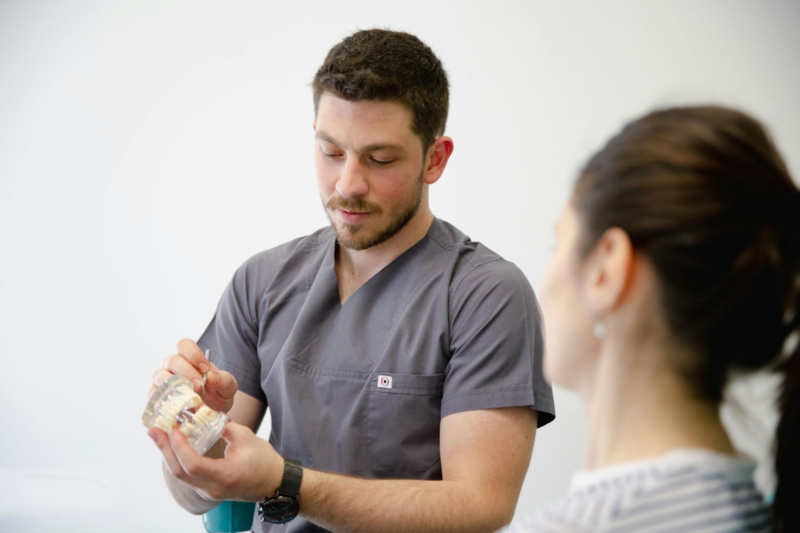
The debate between professional teeth whitening in Atlanta and at-home kits hinges on factors such as bleaching agent concentration, application precision, and treatment customization. Professional whitening offers higher efficacy due to dentist-supervised techniques. Conversely, at-home kits present a cost-effective alternative but may lead to enamel erosion if misused. This analysis will explore how these choices impact results, safety, and cost-effectiveness, offering insights into achieving ideal dental aesthetics.
Understanding Professional Teeth Whitening
When considering professional teeth whitening in Atlanta, it is essential to understand the clinical procedures, efficacy, and safety protocols associated with this treatment modality. This approach is often conducted under the supervision of a dental professional, ensuring adherence to stringent guidelines that prioritize enamel quality and tooth structure integrity. Clinicians utilize a higher concentration of bleaching agents, typically hydrogen peroxide or carbamide peroxide, which are applied with precision to mitigate potential damage to the enamel. Evidence supports that professional whitening provides more uniform results with reduced risks of enamel erosion when compared to non-professional methods. The procedure begins with a thorough examination to assess the suitability of the patient’s tooth structure, ensuring that the treatment is tailored to individual dental needs, maximizing both effectiveness and patient safety.
Exploring At-Home Whitening Kits
At-home whitening kits present a cost-effective alternative to professional treatments, offering a range of formulations such as carbamide peroxide gels and whitening strips. Effective application requires adherence to manufacturer guidelines to optimize results while minimizing risks of enamel damage or gum irritation. Maintenance of results is contingent upon consistent oral hygiene practices and periodic reapplication as specified by the product.
Cost-Effective Whitening Options
While professional teeth whitening services provide rapid results, at-home whitening kits offer a cost-effective alternative for individuals seeking to improve their dental aesthetics. These kits are designed with active ingredients such as hydrogen peroxide or carbamide peroxide, facilitating gradual stain removal. For consumers prioritizing financial efficiency, budgeting tips include selecting kits with proven efficacy demonstrated by clinical trials and user reviews. Financing options extend to purchasing in bulk or subscribing to delivery services, which can reduce costs over time. Comparative studies indicate that while at-home kits may require longer durations to achieve similar shades, they remain an accessible option for those without immediate funds for professional services. Adopting a strategic approach to at-home whitening can yield satisfactory outcomes while maintaining fiscal responsibility.
Application and Maintenance Tips
In addition to being financially accessible, at-home whitening kits necessitate a systematic application process to optimize outcomes. Proper application techniques involve adhering strictly to the manufacturer’s instructions, which typically include the precise placement of whitening strips or trays and the specified duration of exposure. Deviations from these guidelines may lead to suboptimal whitening or increased sensitivity.
Moreover, post-application maintenance is critical for sustained results. Storage recommendations emphasize keeping the whitening products in a cool, dry environment, away from direct sunlight, to maintain their efficacy. Consistent use, coupled with the avoidance of stain-inducing substances such as tobacco and coffee, can prolong the whitening effects. Evidence suggests that combining these strategies effectively enhances both the immediate and long-term aesthetic benefits of at-home kits.
Comparing Costs and Affordability
In evaluating the cost-effectiveness of teeth whitening options, it is essential to contemplate the upfront costs associated with professional treatments in Atlanta, which typically range from $300 to $1,000, compared to at-home kits that generally cost between $20 and $100. However, a thorough long-term cost analysis must also account for the potential need for more frequent touch-ups with at-home kits, which could diminish their initial affordability advantage. Evidence-based assessments should hence weigh both the immediate financial outlay and the durability of results in determining the most economical choice.
Professional Treatment Pricing
Although professional teeth whitening offers an extensive solution for achieving a brighter smile, it typically involves a higher initial cost compared to at-home whitening kits. Professional dental procedures are often priced based on session costs, with individual sessions ranging from $500 to $1,000. Dental practices may offer treatment packages that bundle multiple sessions, potentially reducing the per-session cost.
Professional whitening encompasses advanced techniques such as laser treatments or custom-fitted bleaching trays, which are tailored for ideal results. Clinical studies highlight the efficacy and duration of professionally applied whitening agents, ensuring superior outcomes.
- Session costs can vary greatly depending on location and expertise.
- Treatment packages often provide cost-saving benefits.
- Advanced equipment and technology contribute to higher costs.
- Professional results are generally long-lasting and immediate.
At-Home Kit Expenses
Contrasting the higher initial investment of professional treatments, at-home teeth whitening kits present a more cost-effective solution for many individuals seeking aesthetic dental improvements. These kits, often priced between $20 and $100, offer significant product affordability, making them accessible to a broader demographic. The reduced financial burden associated with at-home kits allows consumers to ponder budgeting considerations without compromising on the pursuit of dental aesthetics. Additionally, the variety of available options, such as strips, trays, and LED light systems, provides customizable alternatives that cater to different financial constraints and preferences. Although less immediate and potent than professional services, these kits facilitate gradual whitening results. Ultimately, at-home teeth whitening kits deliver an economical avenue for individuals prioritizing budget-conscious dental care solutions.
Long-Term Cost Analysis
When evaluating long-term cost implications, professional teeth whitening treatments and at-home kits present distinct financial trajectories. Professional treatments, though initially costlier, may offer extended efficacy, reducing the frequency of repeat sessions. In contrast, at-home kits, while more affordable upfront, often necessitate regular purchase and application, leading to cumulative expenses over time. Key long term investment factors include the durability of results and the necessity for maintenance.
- Professional Treatments: Higher initial costs but potentially fewer ongoing expenses.
- At-Home Kits: Lower initial price point with likely continual purchase requirements.
- Efficacy Duration: Professional treatments may provide longer-lasting results, impacting overall value.
- Ongoing Expenses Considerations: Regularly replacing at-home kits can accumulate costs, impacting affordability.
Ultimately, both methods involve distinct financial strategies over time.
Evaluating the Effectiveness of Each Option
Evaluating the effectiveness of professional teeth whitening services in Atlanta compared to at-home kits necessitates an extensive analysis of several factors, including the concentration of active ingredients, the application methods, and the duration of results. Whitening efficacy comparisons indicate that professional treatments often use higher concentrations of hydrogen peroxide or carbamide peroxide, enabling more significant color change. In contrast, at-home kits typically possess lower concentrations for safety, potentially leading to less dramatic results. Application methods also differ; dental professionals employ tailored trays and advanced technologies like laser or light-activated systems, which can enhance efficacy. Additionally, teeth sensitivity evaluation reveals that professional oversight allows for immediate management of sensitivity issues, whereas at-home kits may exacerbate discomfort due to improper application or prolonged exposure.
Considering the Time Commitment
When evaluating the time commitment associated with teeth whitening, one must consider the duration of individual sessions and the frequency of applications required for ideal results. Professional treatments in Atlanta typically involve longer initial sessions but may achieve desired outcomes in fewer visits, whereas at-home kits necessitate more frequent applications over extended periods. Additionally, professional whitening often provides immediate results, contrasting with the gradual improvements expected from at-home solutions.
Duration of Whitening Sessions
The duration of teeth whitening sessions varies considerably between professional treatments and at-home kits, impacting overall time commitment. Professional teeth whitening typically involves a single session lasting approximately 60 to 90 minutes, offering immediate results. This session duration is advantageous for patients seeking rapid efficacy within a limited whitening timeframe. Conversely, at-home kits necessitate a prolonged commitment, as they require daily use over several weeks to achieve comparable results. This extended whitening timeframe can be less suitable for individuals seeking swift outcomes.
- Professional sessions: 60-90 minutes, immediate results.
- At-home kits: Daily application, several weeks needed.
- Time efficiency: Professional treatments are more time-effective.
- Whitening timeframe: Professional options suit urgent needs.
Understanding these time commitments aids patients in making informed decisions about their whitening approach.
Frequency of Applications
Considering the duration of sessions discussed previously, the frequency of applications emerges as a pivotal factor in determining the practicality of different teeth whitening methods. Professional teeth whitening in Atlanta typically requires fewer applications due to higher concentrations of bleaching agents and advanced technology. Patients may require sessions only once every few months to maintain ideal results. In contrast, the frequency of at-home applications is considerably higher, often necessitating daily or weekly use to achieve and sustain desired outcomes. This increased frequency is due to lower peroxide concentrations in over-the-counter kits, which are formulated for safety during unsupervised use. Consequently, while professional treatments require a more substantial initial time commitment, the reduced frequency of professional applications may offer long-term convenience for individuals with demanding schedules.
Immediate Results Expectation
Achieving immediate results is a significant consideration when evaluating teeth whitening methods, particularly in relation to the time commitment involved. Professional teeth whitening in Atlanta offers accelerated outcomes due to higher concentrations of bleaching agents and specialized equipment, providing visible improvements often within a single session. In contrast, at-home kits necessitate a prolonged application period to achieve similar effects, aligning with realistic expectations for gradual enhancement.
- Professional Whitening: Delivers rapid results, often noticeable in one appointment.
- At-Home Kits: Require consistent use over several weeks for comparable improvements.
- Time Commitment: Professional treatments demand less overall time investment.
- Expectation Management: Professional whitening results are immediate; at-home kits develop progressively.
These insights assist individuals in making informed decisions regarding their preferred teeth whitening approach.
Assessing Safety and Potential Risks
When evaluating the safety and potential risks of teeth whitening methods, both professional and at-home options present distinct considerations. Potential side effects, such as tooth sensitivity and gum irritation, are commonplace in both modalities. However, the intensity and duration of these effects may vary. Professional treatments typically employ higher concentrations of bleaching agents, which, while effective, necessitate stringent control to mitigate enamel safety concerns. The risk of enamel demineralization is a critical factor, especially with frequent or improper application. At-home kits, though generally using lower concentrations, often lack tailored application protocols, potentially leading to uneven results and prolonged exposure risks. Scientific literature underscores the necessity for individuals to weigh these factors when selecting a teeth whitening strategy, ensuring both efficacy and safety.
Understanding the Role of Dental Supervision
Although teeth whitening is a popular cosmetic procedure, the role of dental supervision is paramount in guaranteeing safe and effective outcomes. Comprehensive dental oversight involves evaluating oral health to tailor the whitening process, minimizing risks such as enamel damage and gum irritation. Professional monitoring requirements include examining the patient’s dental history and current condition to determine the most suitable whitening method. Evidence-based practice and clinical expertise guide dentists in delivering optimal results while safeguarding oral health.
- Risk assessment: Dentists identify potential contraindications, ensuring suitability for whitening.
- Custom treatment plans: Professional oversight allows for individualized approaches.
- Prevention of complications: Supervision reduces the likelihood of adverse effects.
- Outcome evaluation: Continuous monitoring ensures the effectiveness of the whitening process.
Dental supervision not only enhances the efficacy but also guarantees patient safety throughout the procedure.
Exploring Personalized Whitening Solutions
While dental supervision provides a foundation for safe teeth whitening, the exploration of personalized solutions offers a tailored approach to achieving ideal results. Individualized treatments take into account patient-specific factors such as enamel thickness, dentin sensitivity, and baseline tooth coloration. Customized solutions involve the use of advanced diagnostic tools to curate bleaching agents and application techniques that align with these unique dental profiles. Evidence suggests that customized whitening systems can enhance efficacy by optimizing the concentration and duration of peroxide exposure, minimizing adverse effects like tooth sensitivity and gingival irritation. Such personalized interventions are predicated on an extensive oral health assessment, enabling practitioners to devise strategies that maximize aesthetic outcomes while preserving dental integrity. This approach underscores the integration of patient-specific data into clinical decision-making.
Analyzing Convenience and Accessibility
Teeth whitening options, whether administered professionally or through at-home kits, present distinct differences with regard to convenience and accessibility. Professional teeth whitening in Atlanta often involves appointments that require flexible scheduling to accommodate the patient’s availability. In contrast, at-home kits allow individuals to perform treatments at their discretion, offering unparalleled temporal flexibility.
For professional treatments, seamless transportation to the dental clinic is vital, potentially posing a limitation for those without easy access to reliable transit. Conversely, at-home kits eliminate transportation concerns entirely, providing a setting conducive to self-administration.
- Professional Whitening: Requires pre-scheduled appointments.
- At-Home Kits: Offers flexibility in timing and location.
- Transportation: Critical for in-office treatments.
- Self-Administered: No need for travel, increasing accessibility.
These elements considerably influence an individual’s choice between professional and at-home teeth whitening solutions.
Weighing Long-Term Results and Maintenance
The decision between professional teeth whitening and at-home kits not only hinges on convenience but also substantially on the long-term results and maintenance requirements of each option. Professional teeth whitening typically yields more enduring outcomes due to the use of higher-concentration bleaching agents and advanced techniques. Clinical studies demonstrate that under professional monitoring, the risk of enamel damage and tooth sensitivity is minimized, ensuring ideal and sustained whitening effects. In contrast, at-home kits necessitate frequent reapplication to maintain desired results, increasing the potential for enamel erosion over time. The lack of professional oversight can result in inconsistent outcomes and potential oral health complications. As a result, individuals seeking sustainable whitening results may benefit from the structured long-term maintenance protocols offered by dental professionals.
Frequently Asked Questions
Can Teeth Whitening Be Combined With Other Dental Procedures?
Teeth whitening can be combined with other dental procedures. Clinical evidence suggests that sequential treatments, like composite fillings and tooth alignment, enhance outcomes. Dentists assess tooth integrity and timing to avoid compromising the effectiveness of whitening agents.
Are There Dietary Restrictions Post-Whitening Treatment?
Post-whitening treatment, patients are advised to follow dietary restrictions, avoiding stain-inducing food choices like coffee and red wine. Adhering to proper dental hygiene habits is essential for maintaining results and preventing discoloration. Clinical guidelines support these recommendations.
How Soon Can Results Be Seen After Each Whitening Method?
Immediate results are typically observed after professional whitening due to higher concentration bleaching agents. At-home kits may require multiple applications. Long-term effectiveness depends on maintenance practices and individual habits, such as dietary choices and oral hygiene routines.
What Should I Do if I Experience Tooth Sensitivity?
If tooth sensitivity occurs, one should use desensitizing toothpaste containing potassium nitrate or stannous fluoride. Avoid extreme temperatures in food and beverages. This approach provides clinical relief by occluding dentinal tubules and reducing nerve excitability, supported by evidence-based studies.
Can Teeth Whitening Remove Deep Intrinsic Stains?
Intrinsic stains, caused by factors such as trauma or medication, can be challenging to remove. While teeth whitening may reduce their appearance, its effectiveness varies. Professional treatments often yield better results due to advanced techniques and stronger agents.