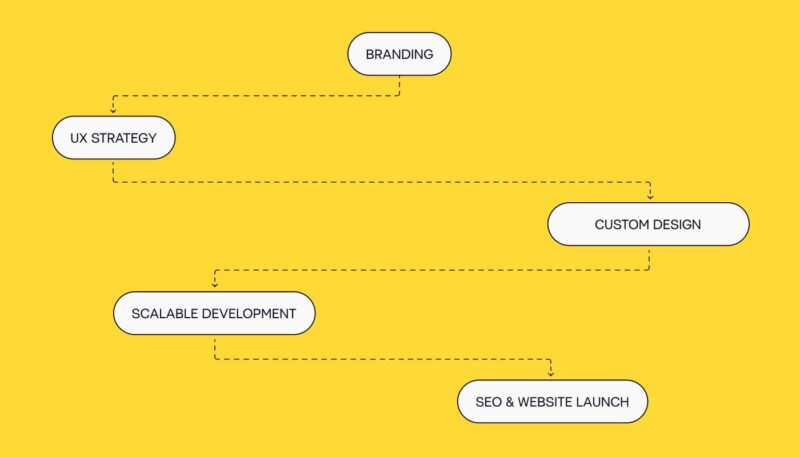
The digital economy moves faster than ever, and businesses of every size are under pressure to deliver online experiences that feel seamless, human, and reliable. In 2025, a website is no longer just a digital business card — it’s the central hub of a company’s brand, operations, and growth strategy.
“Websites are becoming less about static information and more about living systems,” says one digital strategist. “They integrate data, personalization, and services in ways that would have been unthinkable even a few years ago.”
From Branding to Business Engine
In industries from finance to healthcare, corporate web development has shifted from being an IT project to being a boardroom priority. Executives now expect their websites to integrate with CRMs, marketing automation, and analytics systems, while also supporting multiple languages and regions.
For instance, several manufacturing firms in North America have redesigned their corporate sites not just to showcase products, but to function as direct sales tools — integrating configurators, inventory systems, and even virtual demos. The website, in many cases, is now where the deal begins.
Speed, Agility, and MVP Thinking
Not every company needs a fully built enterprise platform right away. Startups and innovators are leaning on the expertise of an mvp development agency to bring ideas to life quickly. By launching minimum viable products, they can test assumptions with real users before investing heavily.
Take the example of a fintech startup in Europe that built a lightweight MVP platform in just 10 weeks. Instead of guessing what customers wanted, they were able to track behavior in real time and pivot their product roadmap. This agile approach is increasingly common — and increasingly necessary — in a market where speed to market can make or break an idea.
Scaling Through Partnerships
One thing I’ve noticed getting bigger in 2025 is that agencies and consultants are growing their digital skills. Instead of building in-house teams from scratch, many now collaborate with white label web design providers.
This model lets them create great websites with their own brand. They can spend more energy on planning and client work. For example, a marketing company in New York grew its services by working with a studio that offered white label services. It basically doubled how much they could do without hiring more people.
What’s the result? Clients get good websites, agencies stay small and all types of businesses benefit from getting things done faster.
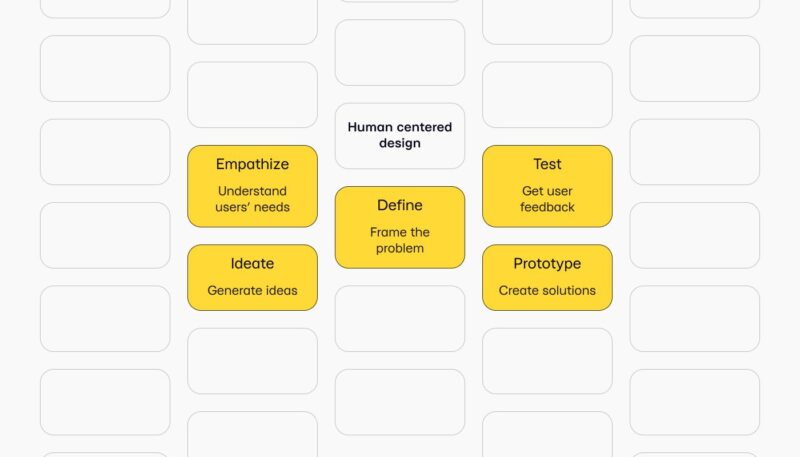
Human-Centered Design in a Tech-Driven World
Even with AI and automation getting bigger, companies get that the human side of web design is still what matters. Sure, people want websites that load fast and are easy to use, but they also want to feel like they’re dealing with real people.
Smart companies are trying things like AI to suggest products you might like and show you content picked just for you. But they’re being careful to mix that tech with a human touch. The best websites in 2025 will feel like they get you, not like some machine spit them out.
The Road Ahead
What does this all mean? It means that web development in 2025 is about combining strategy with flexibility. Enterprises lean on corporate web development for stability and scalability. Startups turn to mvp agencies to test, learn, and adapt. Agencies and consultancies use white label partners to expand without breaking budgets.
One thing’s for sure: websites aren’t just projects that end. They’re always changing and are super important for growing, just like sales, supply chains, or customer support. The businesses that get this are already seeing good results. The ones that don’t could get left behind in a market that moves fast.