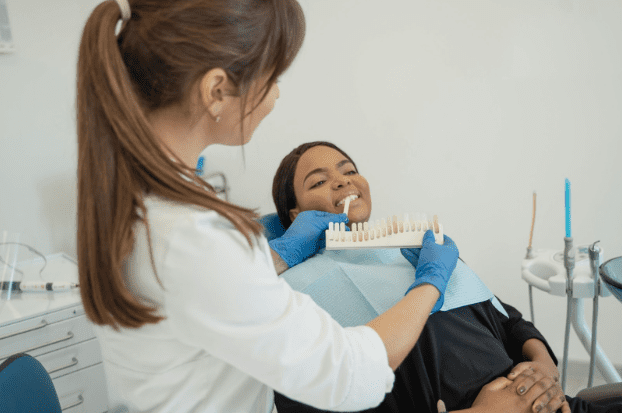
The All-On-4 dental implant procedure in Tinley Park, IL, offers an advanced solution for individuals seeking complete oral restoration. This method utilizes four strategically placed titanium implants to support a full dental arch, circumventing the need for bone grafting. This approach is efficient and cost-effective compared to conventional dentures. Patients can expect a tailored care plan and expert guidance throughout the process, making it an attractive option for those seeking permanent dental restoration.
Understanding All-On-4 Dental Implants
All-On-4 dental implants, an innovative solution in restorative dentistry, are designed to provide a stable and efficient alternative to traditional dentures. This system utilizes four strategically placed titanium implants in the maxilla or mandible, serving as a robust foundation for a full-arch prosthesis. One of the primary implant advantages is the ability to distribute occlusal forces evenly, improving masticatory function and patient comfort. Additionally, the technique often avoids bone grafting, streamlining the procedure. The long term durability of All-On-4 implants is attributed to the osseointegration process, where bone tissue integrates with the titanium surface, enhancing stability over time. This integration fosters a resilient structural support, minimizing the risk of prosthesis displacement and ensuring functional efficacy for extended periods.
Benefits of Choosing All-On-4 in Tinley Park
Building upon the foundational understanding of All-On-4 dental implants, the decision to opt for this procedure in Tinley Park offers a multitude of localized advantages. Patients interested in learning more about the advanced all-on-4 Implant in Tinley Park will find it provides permanent tooth replacement, efficiently resolving edentulism with minimal surgical interventions. The All-On-4 approach utilizes four strategically positioned implants to support a complete dental arch, ensuring structural stability and functional aesthetics. Tinley Park residents benefit from a cost effective solution, as this technique reduces the need for additional implants and extensive bone grafting, commonly required in traditional methods. Additionally, local clinics offer tailored care plans, leveraging advanced technology and expert surgical proficiency to enhance patient outcomes. Consequently, the All-On-4 procedure in Tinley Park emerges as a pragmatic choice for thorough oral rehabilitation.
The All-On-4 Procedure Step-by-Step
The All-On-4 procedure commences with a thorough evaluation to assess the patient’s oral health and bone density, essential for determining implant viability. This initial step is pivotal in the implant procedure overview, as it guarantees the structural integrity required for successful implantation. Following evaluation, the step by step explanation involves precise surgical placement of four dental implants into the jawbone. These titanium posts serve as robust anchors for the prosthetic arch. Next, abutments are affixed to the implants, facilitating the attachment of a temporary prosthesis. This allows for immediate function while osseointegration occurs, a process where the bone fuses with the implants. Finally, after adequate healing, a custom-designed permanent prosthesis is secured, restoring full dental function and aesthetics.
Who Is a Suitable Candidate for All-On-4?
Understanding the candidates for the All-On-4 dental implant procedure necessitates a consideration of several clinical factors that directly influence procedural success. Dental history considerations play a pivotal role, as individuals with significant tooth loss or extensive damage may find this procedure beneficial. Evaluation of oral health prerequisites is essential, requiring an assessment of gum health and bone density to guarantee sufficient support for implants. Patients with a history of periodontal disease or inadequate bone volume might face challenges without prior preparatory treatments. Furthermore, systemic health conditions such as diabetes or autoimmune disorders must be stabilized prior to surgery. Overall, an interdisciplinary approach prioritizing extensive diagnostic imaging and tailored treatment planning is vital to identify suitable candidates for the All-On-4 procedure.
Comparing All-On-4 to Traditional Dental Implants
While evaluating dental restoration options, it is critical to compare the All-On-4 dental implant procedure with traditional dental implants to understand their distinct clinical advantages and limitations. The All-On-4 approach provides a cost effective solution, utilizing four strategically placed implants to support a full arch prosthesis. It reduces the need for bone grafting, thereby decreasing overall treatment time and costs. Conversely, traditional dental implants often require individual implants for each missing tooth, leading to increased surgical interventions and higher expenses. With respect to long term durability, both methods offer robust outcomes, though All-On-4 is particularly advantageous in patients with minimal bone density. Ultimately, the choice between these options should be guided by clinical assessment and patient-specific anatomical considerations.
Preparing for Your All-On-4 Procedure
Prior to undergoing the All-On-4 procedure, patients are required to attend a vital pre-surgery consultation, which includes a thorough evaluation of oral health, digital imaging, and treatment planning. During this consultation, clinicians will provide specific dietary restrictions, emphasizing the avoidance of hard or sticky foods that could interfere with healing. Adherence to these guidelines is essential to minimize complications and optimize the success rate of the dental implants.
Pre-Surgery Consultation Details
A significant step in preparing for an All-On-4 dental implant procedure involves attending a thorough pre-surgery consultation with a dental specialist. During this session, the practitioner conducts a comprehensive pre-surgery dental evaluation to assess the patient’s oral health status and jawbone density. Advanced imaging techniques, such as panoramic X-rays and 3D scans, are utilized to obtain precise anatomical data. This information is essential for formulating a detailed treatment plan tailored to the individual’s specific needs and expectations. The consultation also addresses potential risk factors, ensuring that the patient is a suitable candidate for the procedure. The dental specialist provides detailed explanations regarding the surgical process, expected outcomes, and post-operative care, facilitating informed decision-making and ideal preparation for the All-On-4 implant procedure.
Dietary Restrictions Guidelines
Patients undergoing the All-On-4 dental implant procedure must adhere to specific dietary restrictions to optimize surgical outcomes and facilitate recovery. Preoperative guidelines necessitate a shift to a soft, non-abrasive diet, minimizing mechanical stress on newly placed implants. Post procedure dietary guidelines recommend avoiding hard, crunchy, or sticky foods that could compromise implant stability. Mealtime recommendations emphasize the consumption of nutrient-dense, easy-to-chew foods, including smoothies, purees, and soft proteins like scrambled eggs or yogurt. Maintaining adequate hydration is pivotal, as is the inclusion of foods rich in vitamins and minerals to support tissue healing. Patients are advised to refrain from consuming alcohol and caffeine, as these can interfere with the body’s natural healing processes and potentially prolong recovery time.
Recovery and Aftercare Tips
Although the All-On-4 dental implant procedure is a significant surgical intervention, understanding the recovery and aftercare process is indispensable for ideal healing and longevity of the implants. Pain management is central; patients are typically prescribed analgesics to mitigate postoperative discomfort. Adherence to the prescribed medication regimen as well as the use of cold compresses may reduce swelling and alleviate pain. Sleep requirements are also paramount; maintaining an elevated head position during rest can minimize edema and promote perfect circulation to the surgical site. Patients should avoid physical exertion and follow specific oral hygiene protocols to prevent infection. Regular follow-up appointments with the dental practitioner are imperative to monitor osseointegration and guarantee the stability of the implant-supported prosthesis.
Cost Considerations and Insurance Coverage
The All-On-4 dental implant procedure involves multiple cost factors, including the materials used, the complexity of the case, and the expertise of the dental practitioner, which cumulatively influence the overall expense. Insurance coverage for this procedure may vary considerably, often depending on the provider’s policies regarding dental reconstructive surgery, although some plans may offer partial reimbursement. Patients seeking financial assistance can explore various programs aimed at reducing out-of-pocket costs, such as dental financing plans or third-party medical credit services.
Cost Factors Explained
How does one accurately assess the cost considerations of the All-On-4 dental implant procedure in Tinley Park, IL? A comprehensive cost breakdown is essential for understanding the financial implications. Factors influencing the total cost include the number of implants required, the material used for prosthetic teeth, and any necessary preliminary treatments such as extractions or bone grafting. Dental clinics may offer payment plans to alleviate the immediate financial burden, providing patients flexibility in managing expenses over time. These plans typically involve structured monthly payments, making the procedure more accessible. It is pivotal for patients to consult with their dental provider to receive a detailed estimate and explore available financial arrangements, ensuring informed decision-making and budget alignment.
Insurance Coverage Options
When evaluating the financial aspects of the All-On-4 dental implant procedure, understanding insurance coverage options plays a significant role. Dental insurance plans typically exhibit numerous insurance plan limitations, which may affect the extent of coverage for implant procedures. Some policies classify dental implants as elective, thus providing limited or no reimbursement. Consequently, policy maximums frequently cap the annual benefits at a specified amount, potentially leaving patients responsible for significant out-of-pocket expenses if these thresholds are exceeded. It is imperative for individuals to meticulously review their specific insurance policies, scrutinizing both the coverage details and any exclusions that may apply to implant procedures. Consulting with the dental practice’s insurance coordinator can provide additional insight into maneuvering these complexities effectively.
Financial Assistance Programs
Numerous financial assistance programs are available to mitigate the out-of-pocket expenses associated with the All-On-4 dental implant procedure. These programs encompass various payment plans and financing options tailored to patient needs. Dental practices may collaborate with third-party financial institutions to offer structured financing options, allowing patients to manage treatment costs over time. Payment plans can be customized with flexible terms, accommodating diverse financial situations. Additionally, some clinics provide in-house financing solutions, reducing the need for external credit checks or approvals. Patients are encouraged to consult with dental care coordinators to explore available options, ensuring that the financial burden is minimized. Such strategic financial planning facilitates access to advanced dental procedures, promoting oral health without compromising economic stability.
Finding the Right Dental Professional in Tinley Park
Locating an appropriate dental professional in Tinley Park for an All-On-4 dental implant procedure necessitates a meticulous evaluation of the practitioner’s qualifications, experience, and facility capabilities. A critical factor in this selection process is the dental practice reputation, which is often a reflection of the professional’s clinical acumen and patient satisfaction. Thorough patient reviews can provide valuable insights into the practitioner’s technical proficiency and interpersonal skills. Additionally, verifying the dentist’s credentials, such as board certifications and specialized training in implantology, is imperative. Evaluating the technological advancements and sterilization protocols within the dental facility further guarantees a commitment to high standards of care. This rigorous evaluation facilitates the identification of a competent professional capable of delivering excellent All-On-4 outcomes.
Frequently Asked Questions
How Long Do All-On-4 Implants Last With Proper Care?
All-on-4 implants can last 10-20 years with proper care. The longevity of all-on-4 implants depends on regular maintenance, including biannual dental checkups, daily oral hygiene practices, and avoidance of excessive forces that could compromise the implant structure.
Can I Eat Normally Immediately After Getting All-On-4 Implants?
Patients cannot eat normally immediately post-procedure due to temporary eating challenges and must prioritize immediate swelling management. A soft food diet is recommended initially to guarantee proper healing and stabilization of the implants within the jawbone.
Are There Any Dietary Restrictions After the All-On-4 Procedure?
Yes, dietary restrictions are advised. A post-procedure diet plan typically includes soft foods to minimize stress on implants. Oral hygiene recommendations emphasize gentle cleaning to prevent irritation and guarantee proper healing and integration of the implants.
What Materials Are Used for All-On-4 Implant Prosthetics?
All-on-4 implant prosthetics typically utilize durable implant materials such as titanium for the fixtures and high-quality restorative components like acrylic or zirconia for the prosthetic teeth, ensuring ideal strength, biocompatibility, and aesthetic appeal in clinical applications.
How Soon Can I Return to Work Post All-On-4 Procedure?
Patients typically return to work within a few days to a week post-procedure, contingent on individual recovery timelines and effective pain management strategies. Clinical guidance suggests monitoring healing and adjusting activities based on personal comfort and recovery progress.