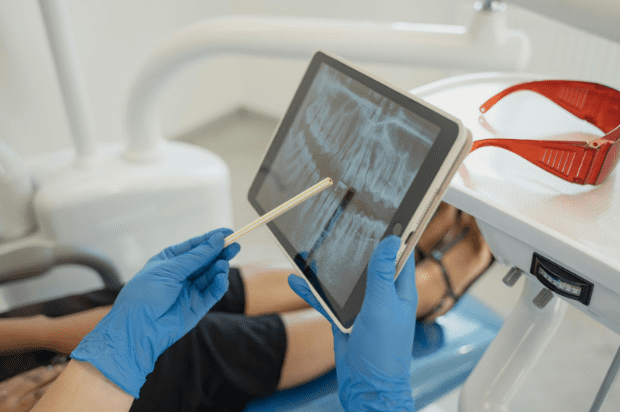
Experiencing anxiety about root canal therapy is common, but in Burien, WA, there are advanced solutions to alleviate your concerns. With the integration of laser-assisted techniques and cutting-edge imaging technology, you’ll find that modern dentistry offers precise and minimally invasive options. Your comfort is prioritized through tailored sedation dentistry, ensuring a seamless experience. Curious about how these innovations can transform your perception of a root canal? Discover the future of pain-free dental care.
Understanding Root Canal Therapy
Although the term “root canal therapy” might initially evoke apprehension, understanding its purpose and process can alleviate concerns and empower informed decisions. Root canal therapy, a specialized endodontic treatment, addresses issues within the tooth’s pulp. When considering this procedure, it’s vital to recognize its role in saving teeth that might otherwise require extraction.
During the root canal procedure, your dentist will remove the infected or inflamed pulp, meticulously cleaning and shaping the interior of the root canals. This area is then sealed to prevent further infection. If you’re seeking guidance from expert root canal specialists in Burien, WA, you can expect precise care utilizing advanced dental technology and modern anesthesia techniques that minimize discomfort and promote faster recovery. Trust in your dentist’s expertise to guide you through this indispensable treatment and help restore your oral health with confidence.
The Evolution of Dental Techniques
As dental science has advanced, so too have the techniques employed in root canal therapy, offering enhanced precision and patient comfort. Modern innovations such as digital imaging allow for accurate assessment of the root canal structure, minimizing guesswork. You’ll find that alternative techniques now utilize rotary endodontic tools, which are more efficient than traditional hand files, reducing the time you spend in the chair. Additionally, biocompatible materials used in the process guarantee that the body accepts the treatment seamlessly. These advancements not only enhance the success rate but also greatly decrease postoperative complications. Embracing these modern innovations means you’re more likely to experience a streamlined procedure that prioritizes your comfort and long-term dental health.
Sedation Dentistry: A Calming Solution
For many patients, the prospect of undergoing root canal therapy can provoke anxiety, but sedation dentistry offers a calming solution to alleviate such concerns. By employing advanced stress reduction techniques, sedation dentistry facilitates a more relaxed experience. You can choose from various sedation levels, ranging from nitrous oxide to oral sedation, tailored to your specific needs. This approach guarantees that you’re comfortable throughout the procedure, minimizing any discomfort or apprehension.
Creating a calming atmosphere is essential to easing dental anxiety. Our practice is designed to provide a soothing environment, complemented by skilled professionals who prioritize patient comfort. With sedation dentistry, the focus is entirely on you, ensuring your root canal therapy is as stress-free as possible, allowing for optimal oral health outcomes.
Laser-Assisted Root Canal Treatments
While sedation dentistry offers a calming environment for root canal therapy, laser-assisted treatments enhance the procedure’s precision and efficiency. Utilizing laser beam precision, this advanced technology allows for targeted removal of infected tissue with minimal discomfort. The integration of thermal imaging diagnostics helps accurately assess the tooth’s condition, ensuring thorough treatment.
- Minimized Pain: Laser technology reduces inflammation and discomfort, promoting a swift recovery.
- Increased Safety: The precision of the laser minimizes damage to surrounding healthy tissue, reducing complications.
- Enhanced Outcomes: With improved accuracy, your treatment is more effective, potentially increasing the success rate.
The Role of Advanced Imaging Technology
Advanced imaging technology plays a pivotal role in modern root canal therapy, offering unparalleled diagnostic capabilities that augment treatment planning. With digital x-ray imaging, you’ll benefit from high-resolution images that provide an exhaustive view of your tooth’s internal structure, allowing for precise identification of affected areas. This not only aids in accurate diagnosis but also facilitates targeted treatment interventions.
Cone beam computed tomography (CBCT) elevates this process by delivering 3D images, revealing intricate details of root canals and surrounding tissues. This advanced imaging guarantees your dentist can assess complex anatomy and detect issues not visible on traditional x-rays. Utilizing these technologies, your treatment becomes more efficient and effective, minimizing discomfort and improving outcomes. Trust in these innovations for a thorough, patient-centered approach.
Choosing the Right Anesthetic Options
When facing root canal therapy, how do you guarantee that your comfort is prioritized throughout the procedure? It’s all about selecting the right anesthetic techniques and pain management strategies. As you commence on this journey, consider these pivotal elements:
- Local Anesthetics: These are your first line of defense, blocking nerve signals effectively to eliminate discomfort. Ask about options like lidocaine or articaine for ideal efficacy.
- Sedation Options: For those with heightened anxiety, oral or IV sedation can enhance relaxation, ensuring a stress-free experience.
- Customized Pain Management: Discuss any allergies or past reactions with your dentist to tailor a pain management strategy just for you, optimizing both safety and comfort.
Benefits of Minimally Invasive Procedures
When you choose minimally invasive root canal therapy, you’ll benefit from considerably reduced recovery time, allowing you to return to your daily activities sooner. These procedures enhance patient comfort by minimizing tissue disruption and postoperative discomfort. Additionally, advanced techniques guarantee precision and accuracy, leading to more effective treatment outcomes.
Reduced Recovery Time
How does the evolution of dental procedures impact your recovery time? With minimally invasive techniques, you benefit from a considerably reduced recovery period, allowing you to return to your daily activities faster. Enhanced precision and targeted intervention contribute to an accelerated healing timeline, minimizing tissue trauma.
- Quicker Return to Normal Life: Spend less time in recovery and more time enjoying life, free from dental pain.
- Less Post-Procedure Discomfort: Reduced tissue damage means less swelling and irritation, enhancing your overall recovery experience.
- Fewer Follow-Up Visits: Efficient procedures translate into fewer appointments, saving you time and reducing stress.
Enhanced Patient Comfort
Building on the advantages of reduced recovery time, enhanced patient comfort is another key benefit of minimally invasive dental procedures. You’ll experience a more relaxed treatment with personalized pain management tailored to your specific needs. Advanced anesthetic techniques precisely target the affected area, ensuring you feel minimal discomfort during the procedure. The use of state-of-the-art equipment allows for meticulous care, reducing potential trauma to surrounding tissues. This approach not only decreases anxiety but also fosters a more positive dental experience. By prioritizing your comfort, these procedures aim to alleviate the common fears associated with root canal therapy. You can confidently expect a smoother, more comfortable treatment process, allowing you to focus on your oral health without undue stress or worry.
Precision and Accuracy
Precision and accuracy are paramount when it comes to minimally invasive dental procedures, particularly in root canal therapy. As a patient, you deserve treatments that prioritize consistent measurements and data reliability. This guarantees your dental health is managed with the utmost care and precision. In Burien, WA, advanced technology and techniques offer several benefits:
- Reduced Recovery Time: Precise instruments allow for targeted intervention, minimizing tissue damage and accelerating healing.
- Enhanced Success Rates: Data reliability ensures that each treatment step is meticulously executed, reducing the risk of complications.
- Patient Comfort: Accurate procedures mean less time in the dental chair and a more comfortable experience overall.
These benefits underscore the importance of precision and accuracy in achieving ideal outcomes in root canal therapy.
The Importance of Experienced Dental Professionals
When considering root canal therapy, the expertise of dental professionals in Burien, WA, becomes paramount to achieving ideal outcomes. An experienced dentist’s expertise safeguards precise diagnosis, treatment planning, and execution. Their technical skill is vital for maneuvering the complexities of root canal systems, minimizing complications, and guaranteeing long-term success. You’ll find that a dentist with advanced training can adeptly use cutting-edge technology and evidence-based techniques to enhance procedural accuracy. This expertise translates into a more efficient and effective treatment, reducing the risk of postoperative discomfort or failure. Selecting a skilled professional means placing your dental health in capable hands, certifying you receive the highest standard of care. Ultimately, their proficiency provides peace of mind, knowing your dental treatment is expertly managed.
Patient-Centered Care and Comfort
While undergoing root canal therapy, guaranteeing patient-centered care and comfort is essential for a positive experience. Your journey toward oral health should be smooth and reassuring. Focusing on patient satisfaction is paramount, and a personalized approach can dramatically enhance your comfort.
Tailored Treatment Plans: Your dental provider will assess your specific needs, guaranteeing that each step of the procedure is customized to maximize comfort and effectiveness.
Advanced Anesthesia Techniques: By utilizing state-of-the-art anesthesia, discomfort is minimized, allowing you to relax during the procedure.
Open Communication: Consistent dialogue with your dentist guarantees you’re informed and comfortable, fostering trust and easing any anxiety.
These elements guarantee that your root canal therapy is both efficient and compassionate.
How to Prepare for a Pain-Free Root Canal
To guarantee a pain-free root canal experience, it’s essential to choose a dentist skilled in endodontic procedures and committed to patient comfort. Understanding the step-by-step process of a root canal can alleviate anxiety and empower you to participate actively in your care. By selecting the right professional and familiarizing yourself with the procedure, you’re laying the groundwork for a smooth and stress-free treatment.
Choose the Right Dentist
Selecting the right dentist is crucial for ensuring a pain-free root canal experience, especially if you’re feeling anxious about the procedure. Finding a trustworthy dentist begins with thorough research and careful evaluation of dental practice reviews. This process can greatly impact your comfort and confidence.
- Check Credentials and Experience: Verify the dentist’s qualifications and their experience in performing root canals. A seasoned professional is more likely to provide a seamless procedure.
- Evaluate Patient Feedback: Review testimonials and ratings from past patients. Positive reviews often indicate quality care and a reassuring patient experience.
- Assess Communication Skills: A dentist who listens and explains the procedure clearly can alleviate anxiety and foster a sense of trust and understanding.
Understand the Procedure
Having chosen the right dentist, it’s important to familiarize yourself with the procedure to guarantee a smooth root canal experience. Initially, your dentist will conduct a thorough root canal diagnosis, utilizing radiographic imaging to assess the extent of pulp infection. Understanding the technical steps can alleviate anxiety and enhance cooperation. Pain management techniques are integral, with local anesthesia ensuring minimal discomfort. Discuss sedation options if anxiety persists. During the procedure, the dentist will access the pulp chamber, remove infected tissue, and meticulously clean the canal system. Precise instrumentation and irrigation eliminate bacteria, reducing post-operative pain. Sealants are then applied to prevent re-infection. Follow your dentist’s aftercare instructions to facilitate healing and maintain a pain-free recovery. Engage openly with your dentist for ideal outcomes.
Frequently Asked Questions
What Are the Costs Associated With Pain-Free Root Canal Therapy?
The costs for pain-free root canal therapy vary, but with affordable payment plans and dental insurance coverage, you’ll find options tailored to your needs. Discussing specifics with your dental provider guarantees clarity on potential out-of-pocket expenses.
Are There Any Side Effects of Sedation Dentistry?
Yes, there are side effects of sedation dentistry. Common sedation risks include drowsiness, nausea, and dry mouth. Patient recovery time varies, but most return to normal activities within 24 hours, ensuring a patient-centered approach to dental care.
How Long Does a Pain-Free Root Canal Procedure Take?
A pain-free root canal procedure typically takes about 60 to 90 minutes. You’ll find the treatment duration varies based on tooth complexity. Anesthesia’s potency safeguards comfort, making patient-centered care a priority during the entire process.
Is Laser-Assisted Root Canal Treatment Suitable for All Patients?
Laser-assisted root canal treatment isn’t suitable for everyone. Your dentist will assess nerve sensitivity. Laser power adjustments are essential, ensuring the procedure’s effectiveness while minimizing discomfort. Discuss your specific needs with your dental professional for ideal care.
What Aftercare Is Needed Following a Pain-Free Root Canal?
After a pain-free root canal, you’ll need to focus on effective pain management. Use prescribed painkillers, maintain oral hygiene, and attend follow-up appointments to guarantee long-term oral health. Avoid hard foods to prevent irritation or damage.