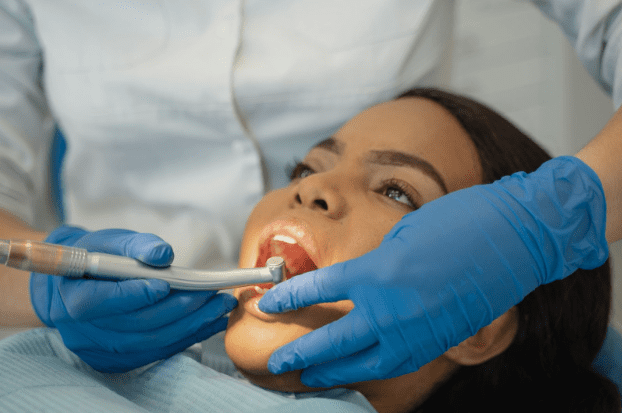
If you chip a tooth, it’s important to know how to respond appropriately and when to seek professional care. Not all chips require the same treatment, and understanding your options can help preserve your tooth’s function and appearance. From simple bonding to more involved procedures, the right approach depends on the extent of the damage and symptoms you experience. Before deciding what’s best, consider the factors that influence treatment choices.
Common Causes of Chipped Teeth
Although chipped teeth can happen to anyone, knowing the common causes can help you take steps to prevent them. One frequent cause is enamel erosion, which weakens the protective outer layer of your teeth, making them more susceptible to chips and cracks. Acidic foods, beverages, and certain medical conditions can accelerate enamel erosion, so managing these factors is essential. Another significant cause is teeth grinding, often occurring unconsciously during sleep or stressful situations. This repetitive pressure wears down tooth enamel and increases the risk of chipping. Additionally, accidental trauma from falls or biting down on hard objects can result in chipped teeth. Being aware of these causes allows you to adopt preventive measures, such as using a night guard if you grind your teeth or avoiding overly hard foods. By addressing these factors proactively, you can maintain stronger teeth and reduce the likelihood of chipping.
Signs and Symptoms of a Chipped Tooth
You might notice visible damage to your tooth, such as a crack or missing piece, when it’s chipped. Sensitivity or pain, especially when eating or drinking hot or cold items, is also common. Additionally, you may experience changes in your bite, which can affect how your teeth come together.
Visible Tooth Damage
When a tooth chips, you’ll often notice visible signs such as rough or jagged edges and small fragments missing from the tooth surface. These changes can affect your tooth aesthetics, making your smile appear uneven or damaged. You might also spot discoloration near the chipped area if the enamel is compromised. It’s important to examine your teeth regularly as part of your dental hygiene routine to catch any chips early. Neglecting visible damage can lead to further deterioration or increased risk of infection. Even minor chips can trap food particles, challenging your dental hygiene efforts and potentially causing plaque buildup. If you observe any noticeable damage, it’s advisable to consult a dentist promptly to assess the extent of the chip and explore professional chip tooth repair options that can restore your tooth’s function and appearance.
Sensitivity and Pain
If a chipped tooth exposes the underlying dentin or nerve endings, you might experience increased sensitivity or sharp pain. This tooth sensitivity can be triggered by hot, cold, sweet, or acidic foods and drinks, making everyday activities uncomfortable. You may also notice pain when biting down or applying pressure to the affected tooth. Effective pain management is essential to prevent further discomfort and potential complications. Over-the-counter pain relievers can provide temporary relief, but it’s important to avoid excessive pressure on the tooth. If sensitivity or pain persists, you should see a dentist promptly. They can evaluate the damage and recommend appropriate treatment to protect the tooth and alleviate symptoms, ensuring your oral health is restored efficiently and safely.
Changes in Bite
Although a chipped tooth might seem like a minor issue, it can cause noticeable changes in your bite. When the integrity of your tooth is compromised, it can affect bite alignment, leading to discomfort or difficulty chewing. You may experience uneven dental occlusion, where your upper and lower teeth no longer fit together properly. This misalignment can strain your jaw muscles and cause headaches or jaw pain over time. If you notice that your bite feels off or that certain teeth contact prematurely, it’s important to consult your dentist. Addressing changes in bite early helps prevent further dental complications and restores proper function. Prompt treatment can realign your dental occlusion, ensuring comfort and protecting your oral health.
Immediate Steps to Take After Chipping a Tooth
If you chip a tooth, the first thing you should do is assess the pain and examine the extent of the damage. Try to locate and preserve any tooth fragments, as they can be helpful for your dentist. Taking these immediate steps will aid in effective treatment and reduce the risk of further complications.
Assess Pain and Damage
How can you quickly determine the severity of a chipped tooth? Conducting a prompt pain assessment and damage evaluation is essential. Here’s what you should do immediately:
- Check for pain intensity—note if it’s mild, sharp, or throbbing.
- Inspect the chipped area for size and location of the fracture.
- Look for signs of bleeding or exposed dentin, which indicate deeper damage.
- Test sensitivity by gently rinsing with cold water or touching the tooth with your tongue.
These steps help you understand the urgency of your situation. If pain is severe or the damage extensive, seek dental care promptly to prevent complications. Accurate pain assessment and damage evaluation guide appropriate treatment decisions and protect your oral health.
Preserve Tooth Fragments
After evaluating the pain and damage, the next significant step is to preserve any tooth fragments you can find. Tooth preservation is essential because these fragments can sometimes be reattached, improving both function and appearance. Carefully collect any pieces without touching the root area, which can be sensitive and prone to infection. Rinse the fragments gently with milk or saline to remove debris—avoid using tap water, which can damage the cells. Store the fragments in a clean container filled with milk or saliva to keep them moist. Proper fragment care increases the chances of successful reattachment by your dentist. Bringing these fragments with you to your dental appointment aids in precise treatment and improves outcomes, so don’t discard or lose them.
When to Visit a Dentist for a Chipped Tooth
Although minor chips may seem insignificant, you should visit a dentist promptly if you experience pain, sensitivity, or notice sharp edges on your tooth. A chipped tooth can sometimes be more than a cosmetic issue—it might indicate underlying damage that requires immediate attention. Recognizing when a dental emergency occurs helps prevent further complications.
You should seek dental care immediately if you:
- Feel persistent or severe pain in the chipped tooth.
- Notice increased sensitivity to hot, cold, or sweet foods.
- Have jagged or sharp edges that could injure your tongue or cheek.
- Experience swelling, bleeding, or signs of infection around the tooth.
Timely evaluation guarantees proper treatment, reduces the risk of infection, and preserves your tooth’s structure. Don’t delay; even minor chips can worsen without professional care. If in doubt, contacting your dentist promptly is the safest choice.
Dental Bonding for Minor Chips
If your chipped tooth is minor and doesn’t cause pain or sensitivity, dental bonding might be the ideal solution. This procedure involves applying tooth-colored bonding materials directly to the affected area to restore the tooth’s shape and integrity. Your dentist will first prepare the surface, then carefully sculpt and harden the composite resin using a special light. Dental bonding offers excellent aesthetic outcomes, blending seamlessly with your natural tooth color to maintain a uniform appearance. It’s a minimally invasive, cost-effective option that can usually be completed in a single visit. However, keep in mind that bonding materials are less durable than other restorative options and might require touch-ups over time. If the chip is larger or affects tooth function, other treatments might be more appropriate. Overall, dental bonding provides a quick, efficient way to repair minor chips while preserving your smile’s natural look.
Veneers as a Solution for Cosmetic Repair
While dental bonding works well for minor chips, larger or more noticeable imperfections might call for a different approach. Veneers offer an effective cosmetic repair option that can restore both function and appearance. These thin shells of porcelain or composite resin are custom-made to cover the front surface of your teeth, providing a natural, polished look.
Here are key points about veneers:
- Veneer benefits include durability, stain resistance, and a lifelike appearance that enhances your smile.
- The veneer process typically involves minimal tooth reshaping, impressions, and bonding the veneer securely in place.
- Veneers can correct chips, discoloration, and uneven shapes, making them versatile for cosmetic repairs.
- You’ll need to maintain good oral hygiene to preserve your veneers’ longevity.
If you’re considering veneers, consult your dentist to determine if this solution fits your specific dental needs.
Crowns for Extensive Tooth Damage
When a tooth suffers extensive damage that compromises its strength and structure, a crown becomes a reliable restorative option. Crowns are designed to fully encase the damaged tooth, providing protection and restoring its function. There are various crown types available, including porcelain, ceramic, metal, and porcelain-fused-to-metal, each offering distinct advantages depending on your needs for durability, appearance, and biocompatibility.
The crown benefits go beyond aesthetics; they reinforce the damaged tooth, prevent further deterioration, and improve chewing efficiency. Your dentist will evaluate the extent of the damage and recommend the most suitable crown type for your situation. The procedure usually involves reshaping the tooth to fit the crown, taking impressions, and then placing a custom-made crown securely over the tooth. By choosing a crown, you can effectively restore your tooth’s integrity and enjoy long-lasting protection, making it an excellent solution for extensive tooth damage.
Root Canal Treatment for Deep Chips
If your chipped tooth causes persistent pain or sensitivity, you might need a root canal to treat infection or nerve damage. The procedure involves removing the damaged tissue inside the tooth, cleaning the area, and sealing it to prevent further issues. Recovery typically includes managing mild discomfort and following your dentist’s care instructions to guarantee proper healing.
Signs Needing Root Canal
Because deep chips can expose the inner pulp of your tooth, you might need a root canal to prevent infection and alleviate pain. Recognizing root canal signs early is essential to avoid complications. Here are key indicators you should watch for:
- Persistent dental pain that worsens with pressure or temperature changes.
- Swelling and tenderness around the affected tooth or gums.
- Prolonged sensitivity to hot or cold, even after the stimulus is removed.
- Darkening or discoloration of the chipped tooth, signaling nerve damage.
If you experience any of these symptoms, it’s important to see your dentist promptly. Early intervention can save your tooth and reduce the risk of infection or abscess formation. Don’t ignore dental pain linked to a deep chip.
Procedure and Recovery Steps
Experiencing symptoms like persistent pain or swelling after a deep chip often leads your dentist to recommend a root canal treatment. During the procedure, the damaged pulp is carefully removed, and the root canals are cleaned and sealed to prevent infection. This approach is one of the key restorative techniques used to save your natural tooth structure. After the root canal, your tooth may require a crown to restore strength and function. The recovery timeline typically spans a few days, during which mild discomfort can be managed with over-the-counter pain relievers. Following your dentist’s instructions on oral hygiene and avoiding hard foods will support healing. Prompt attention and proper care guarantee the best outcome, preserving your tooth and preventing further complications.
Preventive Measures to Avoid Chipped Teeth
Since chipped teeth can lead to discomfort and costly dental work, taking preventive measures is essential. Protecting your tooth enamel and maintaining good oral hygiene are key to avoiding chips and cracks. Here are four effective steps you can take:
- Maintain proper oral hygiene – Brush twice daily and floss regularly to keep enamel strong and resistant to damage.
- Wear a mouthguard – If you play contact sports or grind your teeth at night, a custom mouthguard can shield your teeth from impact and stress.
- Avoid biting hard objects – Don’t chew ice, popcorn kernels, or pens, as these can cause chips or fractures.
- Limit acidic and sugary foods – These weaken enamel over time, increasing the risk of chips.
Long-Term Care and Maintenance After Treatment
Although treatment can restore your chipped tooth’s appearance and function, long-term care is essential to guarantee lasting results. To maintain the integrity of the repair, you should commit to excellent oral hygiene practices, including brushing twice daily with fluoride toothpaste and flossing regularly. This helps prevent decay around the treated area and protects your overall dental health.
In addition, scheduling regular check ups with your dentist is critical. These visits allow your dentist to monitor the condition of the restoration, detect any signs of wear or damage early, and provide professional cleanings that keep your mouth healthy. Avoid habits that could stress the repaired tooth, such as chewing hard objects or using your teeth as tools. By combining diligent oral hygiene with consistent dental visits, you can prolong the life of your treatment and enjoy a healthy, confident smile for years to come.
Frequently Asked Questions
Can Chipped Teeth Heal Naturally Without Dental Intervention?
You can’t rely on natural repair for chipped teeth because tooth enamel doesn’t regenerate. Once enamel is damaged, it won’t heal on its own, so you’ll need dental intervention to restore your tooth’s function and appearance.
Are There Any Home Remedies to Fix a Chipped Tooth?
You can’t fix a chipped tooth with toothpaste alternatives or natural remedies. These might soothe sensitivity temporarily, but only a dentist can properly repair the damage to prevent infection or further complications.
How Much Does It Typically Cost to Repair a Chipped Tooth?
Chipped tooth costs vary widely, typically ranging from $100 to $1,000 depending on severity. If you’ve got dental insurance coverage, it may cover part of the repair, so check your plan for specifics before proceeding.
Can Chipped Teeth Cause Changes in Speech or Chewing?
Yes, chipped teeth can cause speech difficulties and chewing discomfort. You might notice changes in how you pronounce words or feel pain while eating, so it’s important to address these issues promptly with your dentist.
Is It Safe to Whiten Teeth After Getting Them Repaired?
You can whiten teeth after repairs, but avoid whitening products immediately post-treatment to guarantee dental safety. Consult your dentist to determine the right timing and products for safe, effective whitening without damaging restorations or natural teeth.