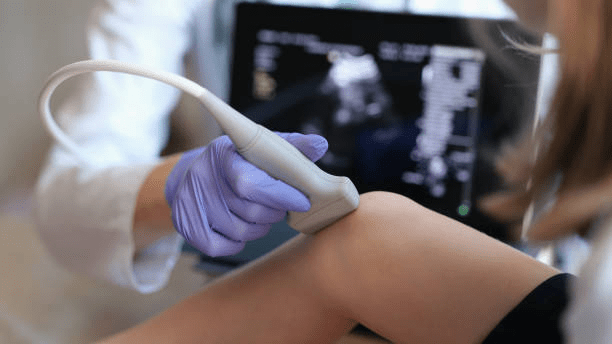
Rheumatology is a specialized branch of medicine focused on diagnosing and managing diseases that affect the joints, muscles, and connective tissues. These conditions are often chronic and may involve autoimmune processes, where the body’s immune system mistakenly attacks its own tissues. Early recognition of symptoms and timely medical intervention play a crucial role in improving quality of life and preventing long-term complications.
Healthcare institutions such as Liv Hospital provide comprehensive care for individuals experiencing rheumatologic conditions, combining advanced diagnostics with personalized treatment strategies.
What Is Rheumatology?
Rheumatology deals with a wide range of disorders, including inflammatory arthritis, autoimmune diseases, and musculoskeletal conditions. These illnesses can affect people of all ages and often require long-term management.
Some of the most common rheumatologic conditions include:
- Rheumatoid arthritis
- Osteoarthritis
- Lupus (Systemic Lupus Erythematosus)
- Ankylosing spondylitis
- Gout
- Reactive arthritis
Each condition has distinct causes and characteristics, but many share overlapping symptoms that can make diagnosis challenging.
Common Symptoms of Rheumatologic Conditions
Recognizing early signs is essential for effective treatment. While symptoms vary depending on the condition, several key indicators are commonly observed:
1. Joint Pain and Stiffness
Persistent joint pain is one of the most recognizable symptoms. Stiffness, especially in the morning or after periods of inactivity, is also a common complaint.
2. Swelling and Inflammation
Inflamed joints may appear swollen, warm, and tender to the touch. This inflammation can lead to reduced mobility over time.
3. Fatigue
Chronic fatigue is frequently associated with autoimmune conditions such as lupus and rheumatoid arthritis. It can significantly impact daily activities.
4. Muscle Weakness
Muscle pain or weakness may accompany joint-related symptoms, affecting physical function and endurance.
5. Fever and General Malaise
Some rheumatologic diseases present with low-grade fever and a general feeling of discomfort or illness.
6. Skin Changes
Conditions like lupus or psoriatic arthritis may cause rashes or other skin abnormalities.
For a deeper understanding of specific cases such as reactive arthritis, refer to RHEUMATOLOGY Symptoms and Conditions.
Types of Rheumatologic Conditions
Rheumatoid Arthritis (RA)
An autoimmune disorder that primarily affects joints, causing inflammation, pain, and eventual joint damage if untreated.
Osteoarthritis (OA)
A degenerative joint disease caused by wear and tear of cartilage, leading to pain and stiffness.
Lupus
A systemic autoimmune disease that can affect multiple organs, including the skin, kidneys, and heart.
Ankylosing Spondylitis
A form of arthritis that mainly affects the spine, potentially leading to reduced flexibility and posture changes.
Gout
A metabolic condition caused by excess uric acid, resulting in sudden and severe joint pain.
Reactive Arthritis
This condition develops in response to an infection in another part of the body and can affect joints, eyes, and the urinary tract.
Diagnosis and Medical Evaluation
Diagnosing rheumatologic conditions involves a combination of:
- Physical examination
- Blood tests (to detect inflammation or autoimmune markers)
- Imaging techniques such as X-rays or MRI
- Patient history and symptom analysis
Early and accurate diagnosis is critical for preventing disease progression and improving treatment outcomes.
Treatment and Management Approaches
Management strategies vary depending on the specific condition but often include:
Medications
- Anti-inflammatory drugs (NSAIDs)
- Disease-modifying antirheumatic drugs (DMARDs)
- Biologic therapies targeting immune responses
Physical Therapy
Exercise programs help maintain joint mobility and muscle strength.
Lifestyle Adjustments
- Balanced diet
- Regular physical activity
- Stress management
Ongoing Monitoring
Regular check-ups ensure that treatment remains effective and adjustments can be made as needed.
Importance of Early Intervention
Delaying treatment can lead to irreversible joint damage and reduced quality of life. Recognizing symptoms early and seeking professional care can significantly improve long-term outcomes.
Final Thoughts
Rheumatologic conditions are complex and often require a multidisciplinary approach to care. Understanding the symptoms and available treatment options empowers individuals to take proactive steps toward better health. While medical treatment remains essential, adopting a balanced lifestyle can further support overall well-being. Platforms like live and feel offer helpful insights into maintaining a healthier daily routine, complementing medical care and enhancing quality of life.