Grilling looks simple from the outside: light the fire, throw on the food, and wait for the magic. But if you are new to BBQ and grilling, even small mistakes can lead to dry chicken, burnt burgers, sticky grates, and a lot of frustration. The good news is that most beginner grilling problems are easy to fix once you know what to look for.
In this guide, we’ll break down the 20 most common grilling mistakes beginners make and show you exactly how to avoid them. We’ll also introduce a beginner-friendly instant-read meat thermometer that can make grilling much easier and more consistent.
1. Not Preheating the Grill
One of the biggest mistakes beginners make is placing food on a grill before it is fully heated. A cold grill causes sticking, poor searing, and uneven cooking. Food needs a hot cooking surface to develop good grill marks and cook properly.
The fix is simple: always preheat your grill with the lid closed for about 10 to 15 minutes, depending on the grill type. If you are using gas, aim for the target cooking temperature before adding food. If you are using charcoal, wait until the coals are fully ashed over and glowing.
2. Skipping Grill Cleaning
A dirty grill grate can ruin flavor and make food stick. Old grease, burnt bits, and leftover residue can create bitter smoke and uneven heat.
Clean the grates before and after every cook. Use a grill brush or scraper while the grates are still warm, then wipe them down and lightly oil them before cooking. A clean grate improves taste, safety, and grill performance.
3. Not Oil the Grates
Many beginners forget to oil the grill surface, which is one reason burgers, fish, and chicken skin stick so easily. Food that tears when flipping usually means the grate was not ready.
The solution is to lightly oil the grates with a paper towel or brush using a high-smoke-point oil like canola or vegetable oil. Do not pour oil directly on the grill. A thin layer is enough to help prevent sticking.
4. Using Too Much Heat
High heat is not always better. Beginners often crank the grill to maximum and end up with burned outsides and raw centers.
Use the right heat for the food. High heat works well for thin steaks, burgers, and quick-cooking vegetables. Medium or indirect heat is better for chicken breasts, ribs, thicker cuts, and anything that needs time to cook through without burning.
5. Cooking Everything Over Direct Heat
Direct heat is great for searing, but not for every food. Many beginners place all the food directly over the flames and wonder why the outside burns before the inside is done.
Learn to create two zones: a hot direct-heat zone and a cooler indirect-heat zone. Sear first if needed, then move thicker foods to indirect heat to finish cooking gently.
6. Opening the Lid Too Often
Every time you lift the lid, heat escapes. That makes temperature control harder and slows cooking. Beginners often check too much because they are nervous about overcooking.
Trust the process and keep the lid closed as much as possible. Open it only when you need to flip, move, or check the food. A closed lid helps maintain steady temperature and better results.
7. Not Using a Meat Thermometer
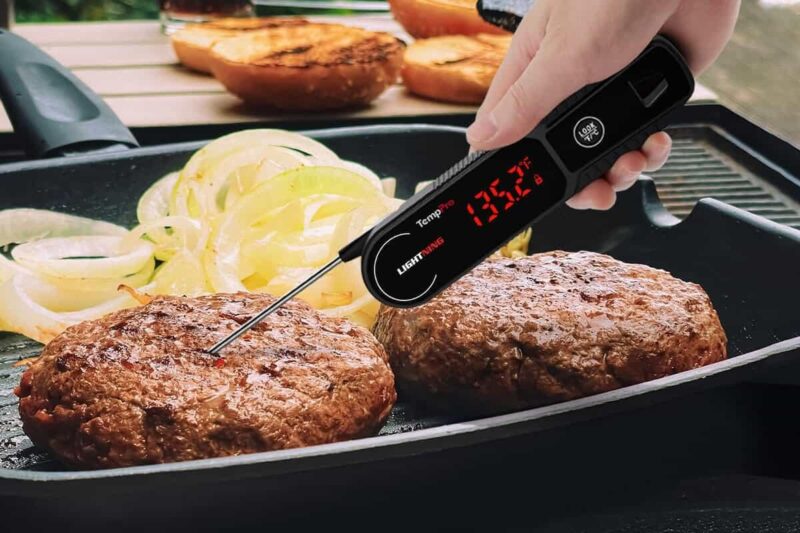
Relying on guesswork is one of the fastest ways to overcook or undercook meat. Color alone is not a safe or reliable way to judge doneness.The best fix is to use an instant-read meat thermometer, like TempPro Lightning TP622 Instant-Read Meat Thermometer. It gives you exact internal temperature so you know when food is ready without cutting into it or guessing based on appearance.
8. Cutting Into Meat to Check Doneness
When beginners slice into chicken, steak, or pork to see if it is done, they release the juices. That makes the meat drier and less flavorful.
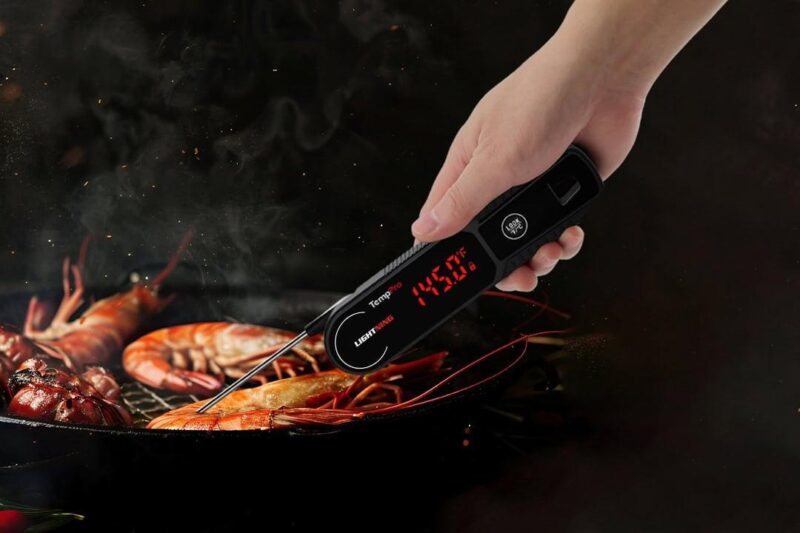
Instead of cutting, use a thermometer inserted into the thickest part of the meat. This keeps the juices inside and gives you a more accurate reading.
9. Pressing Burgers on the Grill
A lot of people press down on burgers because they think it helps them cook faster. In reality, it squeezes out the fat and juices that make burgers flavorful.
Let burgers cook undisturbed. Pressing them causes dryness and can even increase flare-ups. If you want a juicy burger, flip it once and leave it alone.
10. Flipping Too Early
If the food is sticking, it is usually because it is not ready to flip yet. Beginners often get impatient and try to turn meat too soon, which can tear the surface and ruin the crust.
Wait until the food naturally releases from the grate. If it still sticks, give it another minute. Good browning takes time, and patience leads to better texture.
11. Crowding the Grill
Packing too much food onto the grill at once blocks airflow and creates uneven cooking. It also makes it harder to manage heat and flip food safely.
Leave enough space between items so heat can circulate. If you are cooking for a crowd, grill in batches instead of stuffing everything on at once.
12. Using the Wrong Cut for the Cooking Style
Some cuts are better for fast grilling, while others need low and slow cooking. Beginners sometimes try to cook ribs like steaks or treat thin chicken cutlets like brisket.
Match the cut to the method. Use quick direct heat for thinner items and more time plus indirect heat for tougher, thicker cuts. Knowing this difference saves time and improves flavor.
13. Not Trimming Excess Fat
Too much fat can lead to flare-ups, which burn the outside before the inside cooks. Beginners often leave fatty edges on meat because they think more fat always means more flavor.
Trim excess fat, especially on steaks, chicken, and burgers, before grilling. Leave some fat for flavor, but remove the parts that will drip directly onto flames and cause burning.
14. Forgetting About Carryover Cooking
Food keeps cooking after you remove it from the grill. Beginners often wait until meat is fully done on the grill, only to find it overcooked by the time it reaches the plate.
Pull meat a few degrees before the final target temperature, then let it rest. Carryover cooking will finish the job, and resting helps juices redistribute through the meat.
15. Not Resting the Meat
Cutting into meat immediately after grilling makes the juices run out onto the board. That leaves the food dry and less tender.
Let meat rest for several minutes after cooking. Steaks, burgers, pork chops, and chicken all benefit from a short rest before slicing or serving.
16. Using Bad Temperature Control
Many beginners think grilling is all about turning one knob up or down. In reality, heat control is one of the most important skills in BBQ.
Learn how your grill behaves. On gas grills, adjust burners for hot and cooler zones. On charcoal grills, manage airflow and coal placement. Small adjustments make a big difference in cooking results.
17. Running Out of Fuel Mid-Cook
Nothing ruins a cook faster than running out of propane or charcoal halfway through. This mistake is common because beginners often do not check fuel before starting.
Always check fuel levels before you begin. Keep extra propane or charcoal on hand so you can finish the cook without panic or delay.
18. Ignoring Food Safety
Grilling is fun, but raw meat still needs proper handling. Beginners sometimes use the same plate for raw and cooked food or leave meat out too long.
Use separate utensils and plates for raw and cooked meat. Keep food cold before grilling and wash your hands often. Food safety matters just as much as flavor.
19. Choosing the Wrong Thermometer
Not all food thermometers are equally beginner-friendly. Some are slow, hard to read, or awkward to use, which can make grilling more stressful than it should be.
A good thermometer should be fast, accurate, simple, and easy to read. That is why the TempPro Lightning TP622 Instant-Read Meat Thermometer is a strong choice for beginners. It is designed to give ultra-fast temperature readings, so you spend less time guessing and more time cooking with confidence.
20. Not Learning the Basics of Doneness
Beginners often do not know the target internal temperatures for different meats. That leads to overcooked steak, unsafe chicken, or dry pork.
Learn the basic doneness ranges and keep them in mind every time you grill. For example, chicken should be cooked to a safe internal temperature, while steak and pork can be cooked to different preferred levels depending on taste. A thermometer makes this process much easier and more reliable.
Why the TempPro Lightning TP622 Is Great for Beginners
The TempPro Lightning TP622 Instant-Read Meat Thermometer is especially helpful for new grillers because it removes guesswork. Its instant-read design makes it easy to check temperatures quickly, which is ideal when you are cooking burgers, steak, chicken, or other fast-moving foods on a hot grill.
For beginners, speed matters. A fast food thermometer helps you avoid leaving the lid open too long, overcooking meat, or slicing into food just to see if it is done. The TP622 also fits naturally into everyday grilling because it is simple to use and does not require a complicated setup. If your goal is to grill more confidently and get consistent results, a reliable instant-read thermometer is one of the smartest tools you can own.
Final Thoughts
Grilling gets much easier once you stop making these common beginner mistakes. With better heat control, cleaner grates, proper resting time, and a reliable thermometer, like TempPro Lightning TP622 Instant-Read Meat Thermometer, you can cook juicier meat, reduce flare-ups, and enjoy better results every time.
If you are just getting started, focus on the basics first: preheat the grill, use the right heat zone, avoid guessing doneness, and keep your tools simple. Small improvements can make a huge difference in your BBQ game.