Drain problems rarely appear without warning. Unfortunately, small symptoms often seem harmless at first, causing homeowners to delay maintenance until the situation becomes expensive and stressful.
Washington’s rainy climate, older underground infrastructure, mineral-heavy water, and invasive tree roots all contribute to drainage issues throughout the region. Kitchen waste, soap residue, grease buildup, and foreign objects gradually narrow pipes over time as well. When recurring clogs begin affecting sinks, tubs, or floor drains, many property owners eventually turn to professional drain cleaning services in Redmond to prevent larger plumbing failures from developing underground.
Recognizing early warning indicators can help homeowners avoid water damage, emergency plumbing visits, and costly pipe repairs. Below are eight common signs that your drains may already require professional attention.
1. Water Drains More Slowly Than Usual
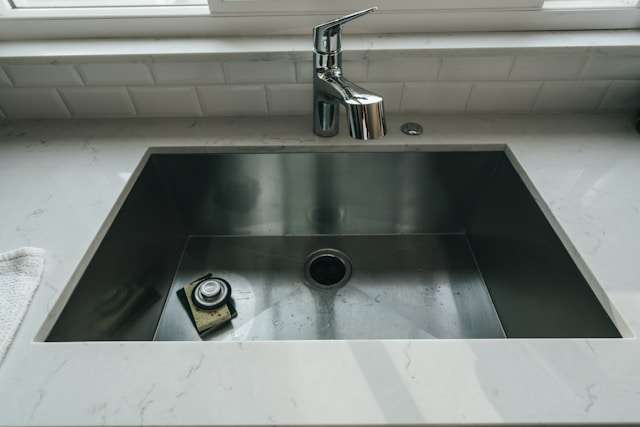
A slow-moving sink or bathtub often represents the first noticeable clue that buildup has started forming inside the pipes. Hair, grease, food particles, soap residue, and mineral deposits gradually reduce available space within drainage lines, restricting normal water flow.
Many homeowners attempt temporary fixes using store-bought chemical cleaners. Those products sometimes provide short-term improvement, although they rarely remove deeper obstructions completely. Harsh chemicals may also weaken older pipes over time, especially in aging Washington homes.
When slow drainage affects multiple fixtures or continues returning after repeated cleaning attempts, the issue likely extends farther inside the plumbing system than surface-level solutions can reach.
2. Strange Smells Start Coming From the Drain
Unpleasant odors coming from sinks, showers, or floor drains should never be ignored. Persistent smells frequently indicate trapped debris, bacterial growth, or wastewater buildup somewhere inside the line.
Kitchen drains commonly develop foul odors because grease and food particles become lodged inside pipe walls. Bathroom plumbing may produce musty or sewage-like smells when hair and soap residue create long-term blockages.
Outdoor drain odors deserve attention as well. Sewer-related smells near the yard, driveway, or crawl space sometimes suggest larger underground drainage problems developing beneath the property.
Professional inspections can often identify hidden buildup before the situation escalates into pipe damage or sewage backups.
3. Gurgling Sounds Become More Frequent
Healthy drains typically operate quietly. Bubbling or gurgling noises usually mean trapped air is struggling to move through partially blocked pipes.
Homeowners often hear those sounds after flushing toilets, running dishwashers, or emptying washing machines. Air pockets form because water cannot pass smoothly through restricted sections of the drainage system.
Several warning noises may indicate growing obstruction problems:
- Bubbling sounds beneath sinks
- Gurgling toilets after flushing
- Noisy bathtub drains
- Vibrations inside kitchen plumbing
- Unexpected air release from nearby fixtures
Ignoring those sounds may allow pressure to increase gradually inside the system, eventually leading to leaks or complete blockages.
4. Clogs Keep Returning
Occasional drain clogs happen in nearly every household. Repeated blockages affecting the same fixture usually signal a deeper issue that basic plunging cannot solve permanently.
Many recurring clogs develop because partial obstructions remain inside the pipe after temporary cleaning attempts. Grease accumulation, compacted debris, invasive roots, or pipe scale often continue restricting water flow even after surface symptoms disappear briefly.
Recurring drainage problems commonly become more noticeable during colder months when heavier rainfall places additional stress on Seattle-area sewer and drainage infrastructure.
Professional drain cleaning equipment can remove buildup more thoroughly than most household tools while helping prevent future blockages from returning quickly.
5. Water Backs Up Into Other Fixtures
One of the clearest warning signs of serious drainage trouble occurs when wastewater appears inside unrelated fixtures. For example, flushing a toilet may cause water to rise inside a nearby shower drain. Running a washing machine might trigger bubbling in the kitchen sink.
That behavior usually indicates a blockage somewhere deeper within the shared drainage system. Wastewater begins searching for alternative escape routes when pipes become restricted.
Cross-fixture backups should always receive prompt attention because continued pressure inside clogged lines may eventually damage seals, joints, or older pipe materials.
6. Fruit Flies or Drain Pests Suddenly Appear
Small insects gathering near sinks or floor drains often point to organic buildup trapped inside plumbing lines. Decaying debris creates an ideal environment for bacteria and pests, especially during warmer months.
Fruit flies frequently breed inside residue-coated pipes where moisture and food particles remain undisturbed. Some homeowners mistakenly focus only on surface cleaning while hidden buildup continues growing inside the drainage system itself.
Persistent pest activity near drains may indicate that professional cleaning is necessary to remove the source completely rather than simply treating the visible insects.
7. Standing Water Develops Near Drains
Water pooling around basement drains, utility sinks, showers, or outdoor drainage areas usually suggests restricted flow somewhere inside the system. Even small amounts of standing water deserve investigation because moisture exposure can gradually damage flooring, cabinetry, drywall, and surrounding materials.
Seattle-region homes already face elevated humidity levels because of the local climate. Additional indoor moisture from blocked drains may accelerate mold growth surprisingly quickly.
Watch carefully for these common moisture-related indicators:
- Damp flooring near drains
- Water collecting around utility areas
- Persistent condensation near plumbing fixtures
- Mold growth around baseboards
- Soft or warped flooring surfaces
Addressing drainage issues early often prevents significantly larger restoration expenses later.
8. Your Home Has Older Plumbing Infrastructure
Older homes throughout Redmond and nearby communities frequently contain aging plumbing materials that become more vulnerable to buildup, corrosion, and narrowing over time. Galvanized steel pipes, in particular, may accumulate mineral deposits internally for decades before obvious problems appear.
Tree roots also pose a serious risk in mature neighborhoods with large established landscaping. Underground roots naturally seek moisture and can gradually infiltrate small pipe openings, eventually causing severe drainage restrictions.
Trusted companies such as Ben’s Plumbing & Drain Cleaning often recommend preventive inspections and maintenance for older properties even before major symptoms develop.
Drain problems rarely improve on their own. Minor warning signs today can eventually become emergency plumbing situations requiring costly repairs tomorrow. Paying attention to early symptoms allows homeowners to protect both their plumbing systems and the long-term condition of the property itself.