By David Hegg
We are becoming a nation of protest, and that is something near and dear to my heart simply because I am considered a Protestant. That label was put on the men and women in the 16th century who “protested” against the abuses of the medieval church. However, it was never a label they took on themselves or considered proper. They had no desire to be known for what they were against. They intended to fly the banner of what they considered true, best and right. They succeeded because people came to know them for what they stood for.
Today’s protests, for the most part, are against something. Tragically, being against the flag, law enforcement, a political party, our Union, and even God has taken on a popularity that would be laughable if it weren’t so misguided and dangerous. But even if those protesting our flag, our police, our elected officials, our country, and the Almighty have something valuable to tell us, they have clearly chosen the wrong vehicle for bringing about substantive change.
Real change never comes from inciting emotion. While playing to emotions can cause action, it is usually short-lived and dissipates as soon as another emotional trigger is pulled. For example, every January our nation becomes emotionally committed to losing weight, gaining fitness and a new course of healthy living. We all do it, and we know the foundation of such commitments can’t bear the weight of lasting, life-altering change. Emotion and good intentions can’t fuel life change.
Real change starts, not with emotion, but with a core, ethical commitment borne out of at least two discoveries. First, you must recognize that the present way of doing things is truly harmful. But for real change to be long-term, this first discovery must be grounded in indisputable truth. If there is even a hint that the present course is fine, the determination to change will eventually evaporate. If, in your mind, you believe eating doughnuts and a half-gallon of ice cream every night before bed actually helps you sleep and wake refreshed, you’re a fool to think you can kick the habit.
Secondly, and most importantly, the reason for change must be so positive, so understandable, and so attainable that it far surpasses the pain change will bring. In other words, we will endure pain and discomfort to the extent we see it as purchasing something of far greater value.
Given this, those who want to bring change must realize they can’t just be boisterous about what they’re against. Protesting the national anthem says nothing about what they believe should replace it. To be discourteous to the flag, to the nation, to law enforcement, or to anyone, for that matter, doesn’t motivate anything more than the negative outbursts of other shallow, emotionally sunburned onlookers. For progress to come, and for real change to take root, truth must undergird the need for change, along with a positive presentation of the good change will bring.
In the 16th century, those who saw the abuses of the medieval church rallied for reformation. They wanted to reform the church they considered deformed. But they didn’t just shout about what was wrong. They held up a standard to which the church needed to reform itself. They marshaled their efforts around bringing back the Bible, in the language of the people, as the positive capable of righting the negatives. They determined to be known for something — the Bible — rather than merely against the abuses of the church. That’s why the Reformation took root, and spread across Europe and around the world. Real change comes when people stand for something with truth on its side.
As I stand and look over the landscape of our great country, it is easy to recognize we have some serious fractures. But emotional protestations, based on opinions and selected anecdotal evidence, can never win the day. To right wrongs, truth must be the foundation of our efforts, and we must have a clear picture of what right looks like. Until we figure that out, no amount of dishonoring the current state of affairs will do anything more than further divide us.
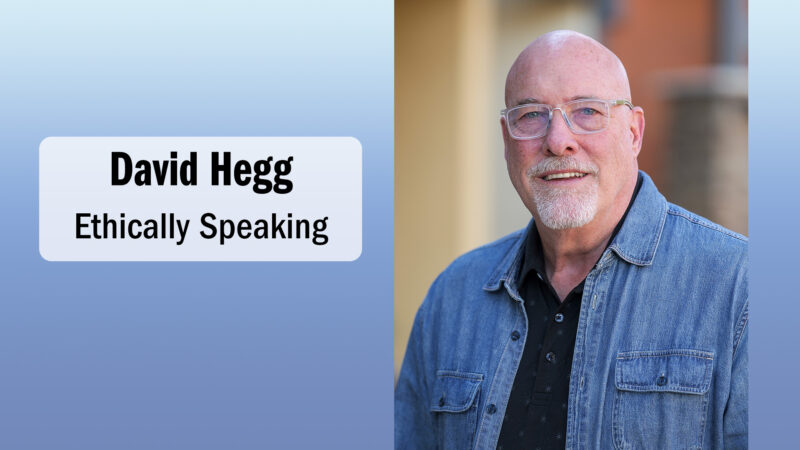
Local resident David Hegg is senior pastor of Grace Baptist Church. “Ethically Speaking” appears Sundays.