As fall settles into Southern California, local drivers begin to face a familiar seasonal shift: cooler mornings, gusty afternoons, and the first hints of unstable weather along the region’s busiest travel corridors. For motorists heading north over the Grapevine, east toward the high desert, or simply navigating daily commutes, autumn brings conditions that can change quickly — and both Caltrans and the California Highway Patrol are urging drivers to prepare.
While fall is far from the harshest season on local roads, it is one of the most unpredictable. Temperature swings, early fog, wind advisories and the tail end of fire season all converge between September and November, creating a mix of hazards that can affect visibility, traction, and travel time. For residents planning road trips or weekend getaways, understanding what agencies expect this season can help prevent delays and keep drivers safe.
I5 and the Grapevine
The Grapevine remains one of California’s most challenging stretches of freeway, and fall often amplifies its volatility. Caltrans notes that the Tejon Pass corridor — which climbs above 4,000 feet — experiences sharper temperature drops than the Santa Clarita Valley below. Cold air settles quickly in the early morning, creating pockets of fog in lower elevations while winds strengthen along the ridgelines.
In recent fall seasons, Caltrans has issued wind advisories with sustained speeds between 30 and 40 miles per hour, and gusts surpassing 50 mph in exposed areas. These conditions pose particular risks for highprofile vehicles, RVs and trailers, which can sway or drift when crosswinds intensify. During strong wind events, CHP may require trucks to remain in righthand lanes or reduce speeds to maintain stability.
Visibility is another recurring concern. Fog can form suddenly in the lower Grapevine, especially near dawn, reducing sight distance even when skies are clear at higher elevations. Caltrans maintenance crews monitor these zones closely, adjusting electronic message signs and deploying traffic breaks when visibility drops below safe thresholds.
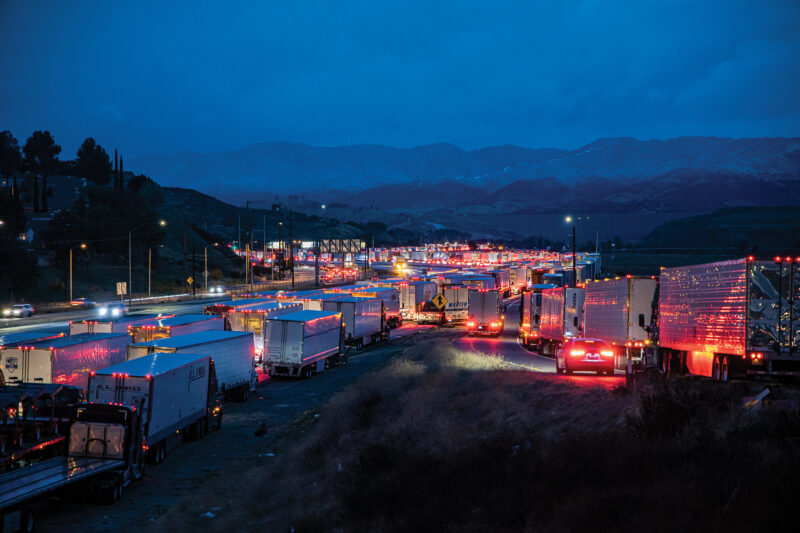
Even without weather complications, the Grapevine’s steep grades demand caution. Brake fade, engine strain, and heavy truck volume can create slowdowns that ripple through the corridor. Caltrans crews conduct regular patrols to clear debris, assist disabled vehicles, and prevent small incidents from escalating into major backups.
Highway 14
Highway 14 presents a different set of fall challenges as it transitions from the Santa Clarita Valley into the high desert. The corridor is known for sudden wind bursts, particularly near Agua Dulce, Acton, and the Soledad Canyon area. These gusts can push vehicles sideways, especially those towing trailers or carrying rooftop cargo.
Morning and evening visibility can fluctuate as cooler air settles into canyon pockets. Brief fog patches may form during peak commute hours, reducing sight distance and increasing the risk of abrupt braking. CHP encourages drivers to use lowbeam headlights in fog, maintain extra following distance, and avoid lane changes when visibility is limited.
Fall is also a period of increased wildlife movement. Deer and smaller animals often cross the roadway at dawn and dusk, especially near openspace areas and creek beds. CHP advises drivers to remain alert in these zones and avoid swerving if an animal enters the roadway, as sudden maneuvers can lead to collisions with other vehicles.
Because Highway 14 is a major commuter route, even minor disruptions — a stalled car, a small collision, or debris — can create significant delays. Caltrans crews respond quickly to keep lanes clear, but drivers should expect occasional slowdowns as fall conditions fluctuate.
Fire Season Overlap
Although temperatures cool in fall, fire season often extends into October. Recent wildfires near the Grapevine and Antelope Valley have forced partial or full closures of I5 and Highway 14, demonstrating how quickly conditions can deteriorate when smoke reduces visibility or flames approach the roadway.
CHP emphasizes that closures are made only when conditions pose a direct safety threat. Smoke can reduce visibility to near zero, and shifting winds can push flames unpredictably across terrain. When closures occur, drivers may face long delays or be redirected to alternate routes such as Highway 58 or Highway 138 — detours that can add hours to travel time.
Motorists should never attempt to bypass barricades or use unauthorized side roads during fire events. CHP warns that doing so endangers both drivers and emergency personnel working in the area.
As fall unfolds, both agencies stress that preparation is the most effective way to avoid trouble on the road. With weather patterns shifting week to week and seasonal hazards emerging across the region’s major corridors, drivers who stay informed, plan ahead, and remain flexible can navigate autumn travel with far fewer surprises. Whether heading over the Grapevine, through Soledad Canyon, or into the high desert, a little foresight goes a long way toward keeping trips safe, steady, and on schedule.
Weather Trends: What SCV Drivers Should Expect This Fall
Based on recent seasonal patterns and publicly available forecasts, motorists can anticipate:
Cool mornings and warm afternoons creating temperature swings that may affect tire pressure and vehicle performance.
Increased wind activity especially in mountain passes and desert transition zones.
Occasional fog particularly in lower Grapevine sections and canyon pockets along Highway 14.
Smoke-related visibility issues depending on fire activity in surrounding counties.
Early-season precipitation which may create slick conditions on roads that have accumulated summer oil residue.
While widespread chain controls are rare in early fall, Caltrans crews remain prepared for sudden temperature drops at higher elevations.
CHP Guidance for Fall Travel
CHP offers several practical recommendations for SCV drivers heading into fall:
Check conditions before leaving Caltrans QuickMap provides realtime updates on closures, wind advisories, and traffic flow.
Expect sudden changes Weather can vary dramatically over just a few miles, especially on the Grapevine.
Increase following distance Wind, fog, and debris can reduce reaction time.
Avoid passing highprofile vehicles in wind zones Trailers and RVs can shift unexpectedly.
Prepare for delays Even minor incidents can create significant slowdowns on steep grades.
Never bypass closures Barricades are placed only when conditions are unsafe.
Preparing Your Vehicle for Fall Conditions
Before heading out, drivers should:
- Inspect tires for proper inflation and tread depth.
- Check brakes, especially when planning to travel over steep grades.
- Ensure headlights, fog lights, and brake lights are functioning.
- Carry water, snacks, and a charged phone in case of delays.
- Keep windshield wipers in good condition for earlyseason rain.