Part 3 of 4
“Why doesn’t she just leave?”
It’s a question I hear far too often when conversations turn to domestic violence. Sometimes it’s asked out of genuine concern. Other times, it comes with frustration, disbelief, or even judgment.
But behind that seemingly simple question is a reality that is anything but simple.
October is Domestic Violence Awareness Month, and throughout the month, I’ve been sharing a four-part series exploring the realities of domestic violence and its impact on individuals, families, and our community.
In the first article, we explored the connection between domestic violence and homelessness, and how leaving an abusive relationship can mean losing a safe place to call home. The second article focused on what to do when someone you know is experiencing abuse and how to offer meaningful support.
This week, we’re addressing some of the most common myths and misconceptions surrounding domestic violence, including a question survivors hear far too often: “Why don’t they just leave?”
We’ll conclude the series next week with “Beyond the Bruises: Recognizing the Many Forms of Domestic Violence,” exploring the different types of abuse, including emotional, psychological, financial, verbal, sexual and digital abuse. We’ll look at how controlling behaviors can exist without physical violence, how to recognize warning signs, and why understanding coercive control is so important.
Because the more we understand about abuse, the better equipped we are to support survivors and, ultimately, prevent violence in our communities.
Myth No. 1: If the abuse were really that bad, they would just leave.
This is perhaps the most common and damaging misconception about domestic violence.
Leaving an abusive relationship isn’t as simple as packing a suitcase and walking out the door. For many survivors, leaving can be the most dangerous time in the relationship. An abusive partner who senses they are losing control may escalate threats, intimidation, stalking, or physical violence.
Imagine being told that if you leave, your partner will hurt your children, take away your financial resources, or find you wherever you go. Imagine having no access to money, no transportation, and nowhere safe to stay.
Now imagine trying to make that decision while protecting your children, holding down a job, and managing the emotional trauma of years of abuse.
It’s not a lack of courage that keeps someone in an abusive relationship. Often, it’s the very real fear of what could happen if they leave.
Myth No. 2: Domestic violence always involves physical abuse.
When we think of domestic violence, we often picture bruises, broken bones, or visible injuries. But abuse can take many forms, and some of the most damaging leave no physical marks.
Emotional abuse can include constant criticism, humiliation, intimidation and threats. Psychological abuse may involve manipulation, isolation and making someone question their own reality.
Financial abuse is another powerful form of control. An abusive partner may prevent someone from working, control all household finances, ruin their credit, or deny access to bank accounts.
Technology has also created new opportunities for abuse, including tracking someone’s location, monitoring messages and controlling access to communication.
These behaviors are not simply relationship disagreements. They are patterns of power and control designed to diminish another person’s independence, confidence and ability to make decisions.
And the effects can last long after the relationship ends.
Myth No. 3: People who stay in abusive relationships must be choosing that life.
No one chooses to be abused.
Abusive relationships rarely begin with violence. They may begin with affection, attention and promises of a wonderful future. Over time, controlling behaviors can emerge gradually, making them difficult to recognize until the individual has become deeply entangled in the relationship.
There may also be periods of remorse, apologies and promises that things will change. Survivors may genuinely love their partners and hope the abuse will stop.
Add children, shared finances, housing, cultural pressures, immigration concerns, or fear of losing custody, and the situation becomes even more complicated.
For survivors who have experienced years of manipulation or isolation, rebuilding the confidence and resources necessary to leave can take time.
Rather than asking why someone stays, perhaps we should be asking, “What barriers are preventing this person from being safe, and how can we help remove them?”
Myth No. 4: Domestic violence only happens in certain families or communities.
Domestic violence doesn’t discriminate.
It happens in wealthy households and families struggling financially. It affects people with advanced degrees and those who never finished high school. It occurs across cultures, religions, neighborhoods and generations.
An abusive relationship may exist behind the doors of a beautiful home, within a respected family, or between people who appear successful and happy to the outside world.
That’s part of what makes domestic violence so difficult to recognize.
Too often, survivors remain silent because they fear they won’t be believed, worry about damaging their family’s reputation, or feel ashamed about what they are experiencing.
But domestic violence is not a reflection of a survivor’s intelligence, strength, or character. The responsibility for abuse belongs solely to the person choosing to cause harm.
Changing the Conversation
At Child & Family Center, we work with survivors and their children who are navigating some of the most difficult circumstances imaginable.
Our domestic violence programs provide crisis intervention, safety planning, emergency shelter, counseling, advocacy and assistance accessing resources that can help individuals and families rebuild their lives.
We understand that every survivor’s circumstances are different. Some are ready to leave immediately. Others need time to develop a safety plan, secure resources, or determine what is safest for themselves and their children.
Our role isn’t to judge their decisions. It’s to listen, provide options, and help them move toward safety at their own pace.
And that understanding shouldn’t stop with organizations providing services. It needs to extend into our homes, workplaces, schools and communities.
The next time someone asks, “Why doesn’t she just leave?” I hope we can help shift the conversation.
Instead of questioning why a survivor hasn’t left, let’s question why someone believes they have the right to abuse, intimidate, or control another human being.
Instead of judging someone’s choices, let’s work to ensure they have safe and realistic options.
And instead of remaining silent because domestic violence makes us uncomfortable, let’s continue having these important conversations.
Because the question should never be why someone stays. It should be why someone abuses — and what we, as a community, are willing to do to stop it.
If you or someone you know is experiencing domestic violence, Child & Family Center offers confidential support, resources, and services to help individuals and families find safety and hope. You don’t have to navigate this alone. 24-Hour Hotline: 661-259-HELP. For resources and information: 661-259-8175.
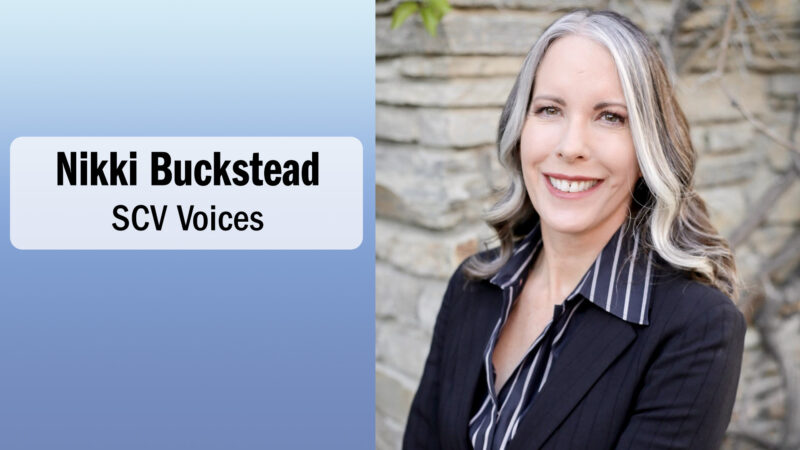
Nikki Buckstead is president and CEO of the Child & Family Center. Part 4 is scheduled to appear Oct. 28.