Part 2 of 4
“I haven’t told anyone else.”
Imagine hearing those words from a friend, coworker, neighbor, or family member. They tell you their partner frightens them, controls their money, threatens them, or hurts them. You want to help, but you may not know what to say.
October is Domestic Violence Awareness Month, an opportunity to recognize that supporting survivors is something each of us can do. We do not need every answer. We do need to understand how our response can help someone feel heard, supported and less alone.
Start by listening.
When someone shares that they are experiencing abuse, resist the urge to immediately solve the situation. Let them speak at their own pace. They may be afraid, embarrassed, or worried you will judge them. The person causing harm may have repeatedly told them that no one will believe them.
Simple words can make a difference: “I believe you.” “This is not your fault.” “You do not deserve to be treated this way.”
You do not need to question every detail or ask them to prove what happened. Thank them for trusting you. Avoid comments such as, “But your partner seems so nice.” Someone’s public behavior may look very different from what happens behind closed doors.
Replace “Why don’t you leave?” with “How can I support you?”
From the outside, leaving may seem like the obvious answer. For someone experiencing abuse, children, finances, housing, threats, and fear of retaliation may all influence their decisions. They may worry about losing their job, leaving a pet behind, or having nowhere safe to sleep. Leaving can also increase danger.
Pressuring someone to leave before they have support and a safety plan can create additional risk. Abuse already takes away a person’s control. Our support should help restore their ability to make choices.
Ask what would be helpful. Perhaps they want someone to listen, accompany them to an appointment, or sit beside them while they contact an advocate. Help with transportation, child care, or a meal may ease an overwhelming day. Offer assistance you can realistically provide, without making it conditional on leaving.
What if you suspect abuse, but they have not told you?
A friend may become isolated. A coworker may seem frightened by repeated calls from a partner. You may notice someone being humiliated, monitored, or denied access to money. These concerns warrant care, but they do not tell you everything about the relationship.
Find a private, safe opportunity to check in. You might say, “I’ve noticed you seem worried lately, and I care about you. Is there anything you’d like to talk about?”
Avoid accusations or demands for an explanation. If they are not ready to talk, leave the door open: “You can come to me whenever you need support.” Continue including them in everyday activities. Maintaining a connection can matter when someone is becoming increasingly isolated.
Make safety part of your support.
Do not confront the person causing harm. Even a well-intentioned confrontation can increase risk for the survivor.
Ask whether it is safe to call, text, or share resources. Phones, email, and social media may be monitored. A message intended to help could expose a private conversation. Let them guide you about when and how to communicate.
Respect their privacy. Do not share their experience with mutual friends or post about it online. If someone is in immediate danger, call 911.
A trained domestic violence advocate can help someone explore options and develop a safety plan that fits their circumstances, whether they are staying, preparing to leave, or have already left. Friends and family can also contact an advocate for guidance on offering support safely.
Keep showing up.
Someone may remain in the relationship or return after leaving. Your frustration may be understandable, but withdrawing support can deepen their isolation. Avoid ultimatums or saying, “I already told you what to do.”
Continue checking in safely. Remind them that you care and that help remains available. You can maintain your own boundaries while treating them with compassion.
At Child & Family Center, our Domestic Violence Program provides free services for survivors and their children, including emergency shelter, counseling, safety planning, case management, and advocacy.
For support, call our 24-hour hotline at 661-259-HELP (4357). You do not have to figure everything out before reaching out.
This Domestic Violence Awareness Month, remember: A caring response begins with listening, respects a person’s choices, and helps them connect with support. Sometimes, being the person who says, “I believe you, and you are not alone,” can open the door to hope.
Next week: Understanding common myths about domestic violence — and why leaving is rarely simple.
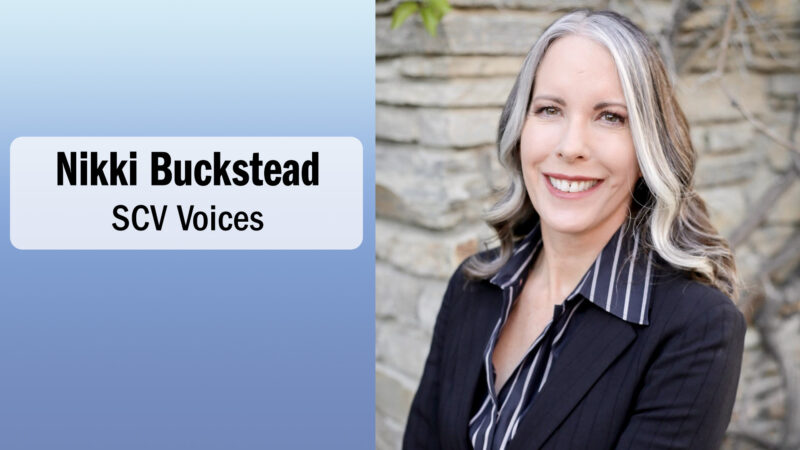
Nikki Buckstead is president and CEO of the Child & Family Center. Part 3 is scheduled to appear Oct. 21.