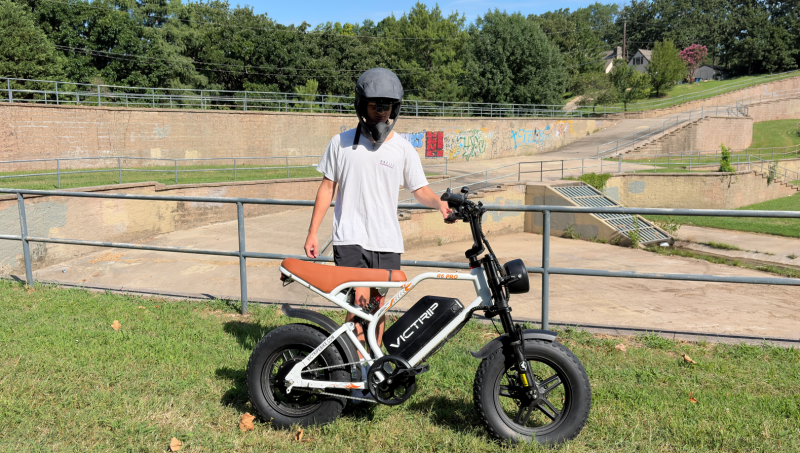
The electric bikes (e-bikes) for sale are those that suit your riding environment. First consider the e-bike type (class), how long it can go before needing to be charged (battery), if it has been certified by a safety organization, and if there are specific regulations in place for using e-bikes on trails in your area. Then compare the prices of different models. Those who commute to work typically look for an e-bike with pedal-assistance. However, off-road riders would probably choose an electric dirt bike designed to be ridden on private property.
Which type of electric bike fits how you ride?
The first thing you want to look at is the class of e-bike, because that will determine what areas you can legally use your e-bike in. Ebicycles has stated that there are three types of e-bike classes. Type 1 is only pedal assist, Type 2 includes a throttle as well as pedal assist, and Type 3 provides pedal assist up to a higher speed than Type 1. According to Leoguar’s analysis, Class-compliant bikes have motors that produce 750W or less power, and they have maximum speeds of approximately 20-28 mph. Additionally, Ebicycles has indicated that many e-bike manufacturers located outside of the U.S. do not offer models with throttles, as throttles are prohibited by law within the European Union (EU) and United Kingdom (UK).
Then match the style to your routine:
- Commuter and city bikes: lighter and built for pavement.
- BikeTips lists folding e-bikes for about $600 to $2,500. These types of bikes are ideal for people who live in small spaces like apartments, and/or use multiple forms of transportation.
- Fat tire electric bicycles (Ebicycles) offer a smooth ride, and provide good traction on slippery surfaces. However, fat tire electric bicycles can be heavy and provide less battery power than other types of electric bicycles.
- Cargo Bikes: BikeTips recommends buying cargo bikes that can hold up to 350-400 pounds of weight (total), and have powerful mid-drive motors.
Electric dirt bike or e-bike: what is the difference?
| Class 1–3 e-bike | Electric dirt bike | |
| Pedals | Usually yes | Usually no |
| Typical speed | About 20–28 mph | Often above 35 mph |
| Legal status | Treated like a bicycle in many places | Off-road motorcycle or OHV |
| Where to ride | Roads, bike lanes, paths where allowed | Private land, OHV parks, moto-legal trails |
An electric dirt bike is generally an off-road vehicle, not a bicycle. James City County, Virginia, describes these machines as typically lacking pedals, reaching speeds over 35 mph, and being classified as off-road motorcycles. They are not street legal and are not allowed on public roads, sidewalks or most trails. The Douglas County Sheriff’s Office adds that they may carry an “Off Road Use Only” label.Trail access is a common point of confusion. Singletracks reports that high-powered e-motos are barred from non-motorized singletrack, though they are allowed on existing moto-legal trails. Class 1 e-bike access varies by trail system, so check local rules first.
The company NAVEE recommends that you find out if a particular type of electric dirt bike is legally allowed in your area prior to purchasing it, rather than waiting until after the purchase. You should look at electric dirt bikes if you own private property or can go to an off-road park. It’s more likely that you’ll fall on uneven surfaces, therefore, it’s recommended that you wear a helmet and complete protective gear. Teen riders are particularly susceptible to this, as noted by one Programming Insider guide.
What features matter most when buying?
Battery and Range: Trek states that the amount of energy available in the battery determines how far you will be able to travel on each charge. If you are planning to take long trips, BikeTips recommends using removable batteries because they allow you to pack an extra battery with you, or you should look into purchasing a battery with a capacity of approximately 700 Wh or greater. T3 also mentions that if your bike has an integrated battery, then you will not have the option of swapping out your battery while riding. It is important to note that the advertised range is only an approximation. Factors such as hill climbing, the weight of the rider, tire pressure and the type of assistance provided by the motor will all reduce your overall range.
Motor: The low-end commuter bikes use hub motors, while mid-drive motors are best used when riding up steep hills or with heavy loads.
Weight. A heavier e-bike is acceptable as long as you can store it in your garage and you don’t have to lift it very often, according to T3. However, if you are going to be carrying your e-bike up stairs, weight will become a major constraint.
Display and Brakes. A good display will show your battery life, how fast you are going, what distance you have covered and the amount of help you are getting from the motor. When it comes to mountain biking, Gyroor recommends that you use full-suspension and hydraulic disc brakes.
How do you know an e-bike battery is safe?
The UL standard you are looking for is called UL 2849. As stated by Tern, UL 2271 only tests the battery pack; however, UL 2849 tests all aspects of the e-bike’s electrical system, including the battery, charger, motor, wiring, display, and controller. According to Tern, UL 2849 is considered to be the “gold standard.”
The language used is also important. When a device is labeled as “certified” it indicates that it has been tested by an independent third party. However, when a label states “tested to” or “compliant with,” this may indicate that the testing was performed internally. Tern recommends verifying the presence of a UL label, as well as the certification number listed within the UL Product iQ database. Local Law 39 in New York City mandates that all micromobility devices available for sale in the city must comply with UL standards. Regardless of whether you reside in New York City or not, complying with these standards is considered a best practice. It is always recommended to use the charger that was provided with the bicycle and to charge the bicycle in an area that allows you to observe the process.
How much do electric bikes cost?
Price will vary based on what type of motor, battery and frame you choose. According to BikeTips, folding bikes are priced from $600 to $2,500. It may be better to set your budget based on the different categories of electric bikes, rather than trying to find one specific price point.
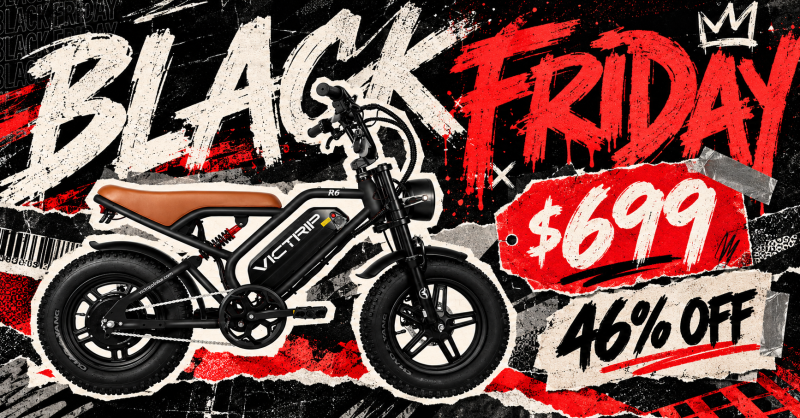
The Black Friday pricing for the VICTRIP X9 is $499, for the VICTRIP R6 it’s $699, and for the VICTRIP R6 Pro it’s $999. In addition to considering the price of each model when compared to your commuting distance, storage space and safety certification listed above; you should also look at other factors such as range, speed and weight.
Should you buy new or used?
Using a used electric bicycle may provide financial savings, however, the risk lies with the battery. Levy Electric suggests that consumers should first try out the e-bike before purchasing it to determine how healthy the battery is. Replacing the battery can be expensive. In addition, Levy Electric states that most local bicycle shops allow customers to view the product in person prior to purchasing it and typically provide customer support after the sale. Regardless of which path a consumer takes when buying an e-bike, they should verify what type of warranty exists on the product and if there are replacement batteries and parts readily accessible. If a consumer cannot maintain their e-bike, then they will eventually discontinue using it.
Before you buy, check:
- your class and local trail rules
- battery capacity and whether it is removable
- a named UL certification
- weight versus how you store the bike
- warranty and parts support