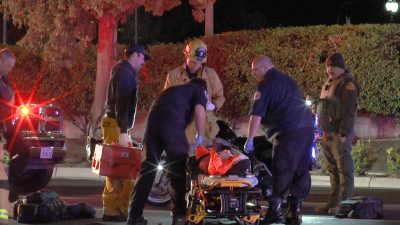
Some regions change so quickly that longtime residents barely recognize the drive to work. Empty lots become apartment complexes, two-lane roads are widened into busy arterials, and new subdivisions appear at the edge of town almost every year. That kind of growth brings jobs, restaurants and fresh energy to a community. It also places steady pressure on streets, worksites and public spaces that were designed for far fewer people. The effects are easy to miss day to day, yet they show up clearly when someone ends up in an emergency room.
Serious injuries rarely have a single cause. They usually sit at the meeting point of crowded roads, tired drivers, unfamiliar visitors, harsh weather and construction that never quite finishes. Understanding those patterns does not make anyone immune to bad luck, but it does help people take sensible precautions. It also helps them respond well if the worst happens. This article looks at the forces behind many serious injuries in a booming Southwest metro, and at what an injured person can do to protect their health, their finances and their rights.
Protecting Your Rights When an Injury Turns Serious
The first priority after any serious injury is medical care, even if you believe you can walk away. Head trauma, internal bleeding and soft tissue damage can take hours or days to reveal themselves fully. A prompt examination also creates a record linking your condition to the event, which matters once insurers start asking questions. Keep every discharge summary, prescription receipt and bill together in one folder. That folder quickly becomes the backbone of any claim, and it saves a great deal of stress when a billing office or adjuster calls with questions months later.
As explained by Maier Gutierrez & Associates, people who are hurt because of someone else’s carelessness have rights that do not disappear just because an insurer wants to settle quickly. Early offers often arrive before anyone knows how long recovery will take or whether surgery will be needed. Nevada generally gives injured people two years to file a personal injury lawsuit, and letting that window close can end a case before it begins. Photos of the scene, names of witnesses, damaged belongings and a simple journal of pain and missed workdays all add weight to a claim. Staying quiet about the incident on social media is wise as well, since adjusters sometimes review public profiles.
Crowded Corridors and a City That Never Sleeps
Traffic is the most visible trend in any fast-growing metro. Las Vegas is a striking example because its roads stay busy at hours when most cities are quiet. Casino, hospitality and healthcare workers commute on shifts that start and end around the clock, so a drive at two in the morning can feel like rush hour elsewhere. Interstate 15 and the interchange locals call the Spaghetti Bowl carry commuters, freight trucks and tourists in the same lanes. Merging, sudden braking and drivers unsure of their exit create plenty of chances for high-speed collisions.
Surface streets have their own risks. Wide arterials with many lanes encourage speeding between lights, and long blocks tempt pedestrians to cross away from marked crosswalks. Left turns across several lanes of oncoming traffic are a frequent setup for side-impact crashes. Fatigue plays a bigger role than many people realize, especially for workers driving home after a double shift. Distraction from phones, dashboard screens and navigation apps makes every one of these hazards worse, because a glance of two or three seconds covers a long stretch of road at arterial speeds.
Visitors, Pedestrians and Unfamiliar Streets
A region that welcomes large numbers of visitors adds a layer of unpredictability to its roads. Rental car drivers may be navigating a grid they have never seen, glancing at a phone for directions while scanning for hotel entrances. Rideshare vehicles stop and pull out frequently, often in places where other drivers do not expect it. People celebrating late at night may step into traffic without checking both ways. Each of these behaviors is understandable on its own, yet together they raise the odds of a serious crash for residents and visitors alike, particularly on weekends and during major events.
Pedestrians are especially exposed in this setting. Crossing a seven- or eight-lane road takes time, and older residents or parents with strollers may not reach the far curb before the signal changes. Parking garages and resort driveways mix foot traffic with vehicles that are backing up or turning sharply. Slip-and-fall injuries are another concern in busy public venues, where spilled drinks and polished floors can combine badly. Property owners are expected to keep those spaces reasonably safe, and that duty becomes important when someone gets hurt because a hazard was ignored or left unmarked for too long.
Heat, Storms and Endless Construction
Desert weather shapes injury risks in ways that newcomers often underestimate. Summer heat in Las Vegas can turn a stalled car into a dangerous place within minutes and wear down outdoor workers over a long shift, and while Santa Clarita has its own hot, dry summers, Southern Nevada’s desert heat usually runs hotter and lingers well into the night. Heat exhaustion slows reaction times and clouds judgment, both behind the wheel and on a job site. When summer storms finally arrive, oil that has built up on dry pavement can make roads unexpectedly slick. Flash flooding can also turn low spots, washes and dips in the road into serious hazards with very little warning, and drivers who try to push through moving water are sometimes swept off course.
Growth means construction nearly everywhere. Lane shifts, narrowed shoulders, uneven pavement and temporary signals ask drivers to adjust constantly, and not everyone slows down. Workers on those projects face falls, heavy equipment accidents and the danger of being struck by passing vehicles. Warehouse and distribution jobs bring forklifts, heavy loads and long hours that erode focus over time. When an injury happens on a busy site, several companies may share responsibility, which can make it hard for the injured person to know where to turn.
Building Safer Habits in a Changing Region
None of these trends is likely to slow down soon, but residents can still lower their own risk. Leaving a few extra minutes for each trip, keeping the phone out of reach while driving and easing off the gas in work zones all make a real difference. Carrying water and keeping the car in good repair matter more in a desert climate than many people expect. Pedestrians can choose marked crossings and wear something visible after dark. Small habits like these rarely feel dramatic, yet they add up over thousands of trips and many years of living in a busy place.
Community voices matter too. Residents who report dangerous intersections, missing crosswalks or confusing construction zones give planners the information they need to make changes. Public comment periods for road projects offer a chance to push for safer designs before the concrete is poured. Knowing what to do after an injury is part of being prepared, from seeking medical care to keeping careful records. A growing region offers real opportunity, and a bit of foresight helps make sure that opportunity is not overshadowed by a preventable injury.