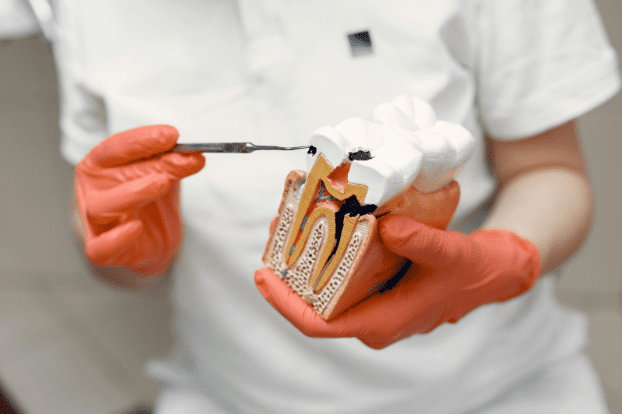
Oral surgeons in Long Beach offer a range of specialized procedures to address various dental and facial issues. These include the removal of impacted wisdom teeth, dental implant placements, and complex bone grafting. Corrective jaw surgery and treatment for facial trauma are also common. Each procedure is carefully planned, focusing on patient comfort and swift recovery. Understanding the specifics of these interventions can greatly impact patient outcomes and satisfaction, sparking further interest in extensive care options.
Wisdom Tooth Extractions
Wisdom tooth extractions are a common procedure performed by oral surgeons in Long Beach to address issues arising from impacted or overcrowded third molars. Effective anesthesia options are critical to guarantee patient comfort during the extraction process. Surgeons may utilize local anesthesia, sedation, or general anesthesia based on the complexity of the case and patient preference. Local anesthesia numbs the surgical area, while sedation or general anesthesia offers deeper relaxation or unconsciousness, respectively. Pain management techniques post-extraction are equally important for patient recovery. Oral surgeons often recommend a combination of over-the-counter pain relievers and prescribed medications to manage discomfort. Additionally, applying ice packs and maintaining a soft diet can aid in minimizing swelling and accelerating healing, facilitating a smooth postoperative experience.
Dental Implant Placement
Dental implant placement is a precise surgical procedure that involves embedding a titanium post into the jawbone to serve as a stable foundation for artificial teeth. The process requires careful planning and execution by the best oral surgeon in Long Beach to guarantee seamless integration and function. Post-surgery, patients must also adhere to specific care guidelines to facilitate healing and prevent complications.
Implant Surgery Process
When undertaking the implant surgery process, understanding the precise steps involved can greatly ease patient concerns and improve outcomes. The dental implant process begins with a thorough assessment, including imaging and evaluation of bone density, to guarantee ideal placement. Next, the implant surgery timeline involves a minor surgical procedure where a titanium post is inserted into the jawbone, serving as a root for the artificial tooth. This is followed by a healing period, typically lasting several months, allowing the bone to integrate with the implant—a process known as osseointegration. Once integration is confirmed, a custom abutment is attached to the implant, forming a secure base for the final dental crown. This methodical approach guarantees a stable and functional restoration.
Post-Surgery Care Tips
Following dental implant placement, meticulous post-surgery care is essential to guarantee favorable healing and implant success. Patients must adhere to a structured recovery timeline and implement effective pain management strategies to optimize outcomes. Key post-operative care tips include:
- Maintain Oral Hygiene: Gently rinse with warm salt water to reduce infection risk while avoiding vigorous swishing.
- Manage Swelling and Pain: Apply cold compresses intermittently for the first 48 hours and use prescribed medications as directed.
- Dietary Adjustments: Consume soft foods and avoid hard or chewy items to prevent implant disruption.
- Rest and Activity: Limit physical activities for several days post-surgery to facilitate healing.
- Follow-up Appointments: Attend scheduled check-ups to monitor implant integration and address any complications promptly.
Diligent adherence to these guidelines can considerably influence successful dental implant recovery.
Bone Grafting Procedures
Oral surgeons in Long Beach frequently perform bone grafting procedures to restore jawbone density and volume, essential for patients requiring dental implants. Various types of bone grafts, including autografts, allografts, and xenografts, are selected based on patient-specific needs and clinical objectives. These procedures not only enhance the structural integrity of the jaw but also dramatically improve the success rates of subsequent dental restorations.
Types of Bone Grafts
Bone grafting procedures play an essential role in oral surgery, offering several types of grafts to restore and enhance jawbone structure. Different grafts address specific needs such as alveolar ridge augmentation and sinus lift procedures, which are pivotal for supporting dental implants. Oral surgeons utilize various bone graft types, each selected based on the patient’s unique condition and treatment goals.
- Autografts: Harvested from the patient’s own body, guaranteeing high compatibility.
- Allografts: Sourced from human donors, processed to assure safety and efficacy.
- Xenografts: Derived from animal sources, primarily bovine, offering structural support.
- Alloplasts: Synthetic materials designed to promote bone growth and regeneration.
- Composite Grafts: Combination of different types, tailored for complex cases.
These options ensure tailored solutions for ideal patient outcomes in oral restoration.
Bone Grafting Benefits
How do bone grafting procedures enhance patient outcomes in oral surgery? These procedures greatly contribute by providing a foundation for improved bone density, which is essential for the successful placement of dental implants. Bone grafting compensates for bone loss due to injury, disease, or tooth extraction, ensuring structural stability. Enhanced bone density not only supports implants but also fosters a robust oral environment, reducing complications. Additionally, bone grafting techniques promote a faster healing process, minimizing patient downtime and accelerating recovery. By using autogenous, allograft, or xenograft materials, oral surgeons tailor treatments to individual needs, optimizing outcomes. This advanced approach underscores the importance of bone grafting in modern dental practices, promoting long-term oral health and functionality.
Corrective Jaw Surgery
Corrective jaw surgery, also known as orthognathic surgery, is a complex procedure often necessary for addressing significant jaw discrepancies that impact function and aesthetics. Typically performed by oral surgeons, it corrects jaw alignment issues that may cause difficulty in chewing, speech, or breathing. Orthognathic surgery procedures are customized to the patient’s specific needs, ensuring paramount outcomes.
Key considerations include:
- Diagnosis of jaw misalignment: Essential for planning the surgical approach.
- Pre-surgical orthodontics: Often required to align teeth properly before surgery.
- Surgical techniques: May involve repositioning the upper jaw, lower jaw, or both.
- Post-operative care: Indispensable for recovery and includes dietary adjustments and follow-up visits.
- Improved function and aesthetics: The ultimate goal, enhancing quality of life.
Patients should consult with experienced oral surgeons for best results.
Treatment for Facial Trauma
Facial trauma treatment is a pivotal aspect of oral and maxillofacial surgery, addressing injuries that affect the face, jaw, and mouth. Surgeons employ precise techniques to manage facial injury treatment, ensuring functional and aesthetic restoration. Common procedures include the repair of facial lacerations, which requires meticulous suturing to minimize scarring and promote optimal healing. Managing fractures of the facial bones is another key component, often necessitating repositioning and stabilization using plates and screws. Surgeons prioritize preserving facial symmetry and function while alleviating pain and preventing infection. Treatment is tailored to each patient, taking into account the injury’s severity and location. Comprehensive evaluation and timely intervention are quintessential for successful outcomes and the restoration of the patient’s appearance and quality of life.
Oral Pathology and Biopsy
Oral pathology and biopsy are essential components of diagnosing and managing diseases affecting the oral cavity. These procedures are instrumental in identifying abnormalities and planning effective treatment strategies. Oral surgeons in Long Beach perform biopsies to evaluate suspicious lesions, guaranteeing timely intervention, particularly in oral cancer screenings. This process aids in distinguishing benign from malignant growths, which is critical for patient outcomes.
- Early detection through oral cancer screenings
- Precise histopathological diagnosis
- Integration with dentoalveolar surgery for thorough care
- Tailored treatment plans based on biopsy results
- Enhanced patient education and preventive strategies
Oral surgeons employ these techniques to manage various oral conditions, emphasizing precision and patient safety. By combining clinical expertise with advanced diagnostic tools, they ensure ideal care and improved prognoses for their patients.
Temporomandibular Joint (TMJ) Surgery
Building upon the foundation of precise diagnostic techniques, Temporomandibular Joint (TMJ) surgery addresses dysfunctions affecting the jaw joint and surrounding muscles. TMJ dysfunction causes can include trauma, arthritis, or habitual clenching, leading to pain and restricted movement. Before considering surgical intervention, oral surgeons in Long Beach often explore TMJ non-surgical treatments such as physical therapy, medication, or occlusal splints. These conservative approaches aim to alleviate symptoms and restore function. However, when non-surgical methods fail to provide relief, surgical procedures may be necessary. TMJ surgery options vary from arthrocentesis, involving fluid flushing of the joint, to more complex procedures like arthroscopy or open joint surgery. Each surgical approach is tailored to address the specific underlying issue, ensuring ideal patient outcomes.
Pre-Prosthetic Surgery
Pre-prosthetic surgery, essential for ensuring the ideal fit and function of dental prostheses, involves surgical modifications to the oral structures. This procedure focuses on optimizing the jaw and gums to provide a stable foundation for dentures or implants. Oral surgeons perform various techniques to enhance oral anatomy, improving prosthetic outcomes and patient comfort. Key procedures include:
- Soft tissue recontouring to remove excess gum tissue and improve the fit of prosthetics.
- Alveoloplasty to reshape the jawbone, ensuring a smooth, even surface for denture stability.
- Tori removal to eliminate bony growths that may interfere with prosthesis placement.
- Ridge augmentation to increase the bone volume in preparation for implants.
- Gum recession treatment to protect against further tissue loss and enhance prosthetic fit.
These interventions are fundamental for long-term functional success.
Cleft Lip and Palate Repair
Cleft lip and palate repair is a critical surgical intervention that addresses congenital facial and oral deformities, guaranteeing improved functionality and aesthetics for affected individuals. This procedure typically involves a multidisciplinary approach, requiring the expertise of oral surgeons, pediatricians, and specialized therapists. The primary goal is to reconstruct the lip and palate to restore oral function and facial symmetry. Post-surgery, speech therapy is essential for enhancing verbal communication skills, helping patients achieve clearer articulation. Nutritional counseling is also pivotal, aiding in the development of tailored dietary plans to guarantee adequate nutrition during recovery and growth stages. These collective efforts dramatically improve the quality of life and social integration for individuals born with cleft lip and palate deformities.
Frequently Asked Questions
What Should I Expect During My Initial Consultation With an Oral Surgeon?
During their initial consultation, one should anticipate a thorough oral examination to assess overall dental health. The oral surgeon will then discuss findings and create a personalized treatment plan, addressing specific needs and goals, ensuring ideal patient care.
How Do I Prepare for Oral Surgery in Terms of Diet and Medication?
Patients should follow fasting guidelines, typically refraining from food and drink for at least 8 hours pre-surgery. Medication adjustments may be necessary; consult with the surgeon regarding any prescriptions, especially blood thinners or diabetes medications.
What Types of Anesthesia Are Available for Oral Surgeries?
Oral surgeries offer various anesthesia types, including local anesthesia, nitrous oxide, IV sedation, and general anesthesia. These pain management options depend on procedure complexity and patient needs, ensuring comfort and reducing anxiety during the process.
How Long Is the Typical Recovery Time After Oral Surgery?
The typical recovery time after oral surgery ranges from a few days to several weeks, depending on the procedure’s complexity. Effective pain management and monitoring for possible complications are pivotal for ideal healing and patient comfort.
Are There Any Dietary Restrictions Following Oral Surgery Procedures?
Yes, dietary restrictions typically include soft food recommendations to facilitate healing and reduce discomfort. Pain management techniques may involve medication and cold compresses to alleviate swelling, ensuring a smoother recovery process for the patient post-oral surgery.