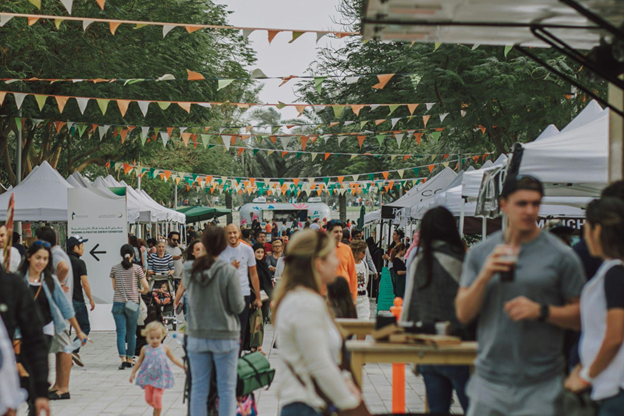
Most event problems begin long before guests walk through the entrance. While attendees usually notice issues during the event itself, many operational failures actually originate during setup and preparation stages that happen behind the scenes. Poor coordination, unclear signage, disorganized equipment storage, delayed vendor access, and inefficient layouts can quietly create complications that affect the entire experience later.
This is especially true for large events involving multiple vendors, temporary structures, transportation logistics, staging equipment, and tightly managed schedules. Conferences, festivals, weddings, corporate events, sporting gatherings, and community celebrations all depend heavily on setup efficiency. When preparation becomes chaotic, stress spreads quickly across every part of the operation.
As events become increasingly experience-focused, organizers are paying more attention to the invisible logistical details that shape how smoothly everything functions before attendees ever arrive.
Poor Signage Planning Creates Early Confusion
One of the most common setup mistakes is treating signage as a last-minute detail instead of part of the operational structure itself. Signs do much more than display branding. They guide vendor movement, support guest navigation, organize parking flow, direct staff, and reduce confusion throughout the venue.
Without clear visual communication, setup crews often waste valuable time locating entrances, unloading zones, registration areas, or storage locations. These delays may seem small individually, but they quickly compound once multiple vendors and staff teams are working simultaneously.
This is why many event organizers work with companies like Printmoz to prepare banners, directional signage, branded displays, and large-format visual materials before setup begins. Well-designed signage improves not only guest experience later, but also operational efficiency during the preparation process itself.
Equipment Storage Is Frequently Underestimated
Another major setup issue involves temporary equipment management. Events often require large amounts of materials including tables, chairs, décor, staging equipment, lighting, merchandise, catering supplies, and technical gear that need to remain organized throughout setup and breakdown periods.
Without proper storage planning, venues can become cluttered quickly. Disorganized equipment placement increases setup time, complicates vendor movement, and creates unnecessary stress for event staff trying to maintain schedules.
Temporary storage systems have therefore become increasingly important for larger productions. Organizers using solutions from WheeKeep often focus on keeping equipment accessible while reducing congestion around active setup areas. Organized storage allows crews to work more efficiently without constantly moving materials unnecessarily throughout the venue.
Vendor Timing Problems Create Chain Reactions
Events involving multiple vendors require highly coordinated timing. Florists, caterers, lighting teams, rental companies, entertainers, photographers, and technical crews all depend on access schedules functioning correctly.
When one vendor arrives late or setup areas are not fully prepared, the disruption often affects multiple other teams immediately afterward. These chain reactions can quickly place entire event schedules behind timeline before guests even arrive.
Experienced planners usually build setup schedules with buffer time intentionally because delays are almost inevitable during large productions. Flexibility during preparation stages often determines whether an event feels calm or chaotic later.
Layout Mistakes Affect Both Staff and Guests

Venue layouts influence far more than aesthetics. Poorly planned floor arrangements often create logistical problems during setup that continue affecting guest movement throughout the event itself.
Narrow vendor access routes, blocked unloading zones, insufficient equipment staging space, or poorly positioned registration areas can complicate operations long before attendees enter the venue. Once guests arrive, these same issues may create crowd congestion or navigation confusion.
Strong layouts balance operational practicality with guest experience. The best event designs usually feel intuitive because staff movement, storage areas, service access, and attendee flow were carefully considered together rather than separately.
Setup Stress Often Comes From Overcomplication
One reason event setups become difficult is that organizers sometimes add too many operational layers without fully considering how each addition affects timing and coordination.
Extra installations, oversized décor pieces, complicated staging requirements, and highly customized layouts may appear impressive visually but can dramatically increase setup complexity. More moving parts often mean more opportunities for delays or communication breakdowns.
Many experienced planners now focus on streamlining logistics instead of maximizing complexity. Events often feel more polished when execution remains controlled and manageable rather than overloaded with difficult setup demands.
Communication Failures Create Avoidable Delays
Clear communication is one of the most important parts of successful event setup. Vendors, staff, transportation teams, and venue personnel all need accurate information regarding schedules, access points, equipment placement, and operational expectations.
When communication becomes inconsistent, crews frequently duplicate work, miss timing windows, or waste time solving avoidable logistical problems. These disruptions increase stress throughout the preparation process and often continue affecting operations later during the event itself.
According to the Event Industry Council, operational coordination and attendee experience are increasingly interconnected as modern events become larger and more experience-driven. Successful execution depends heavily on preparation efficiency behind the scenes.
Weather and Transportation Need Backup Planning
Outdoor events especially require contingency planning around weather, transportation access, and equipment protection. Wind, rain, heat, traffic congestion, or delayed deliveries can quickly complicate even well-organized setups.
Events without backup storage plans or flexible transportation coordination often struggle more severely when unexpected disruptions occur. Temporary weather protection, organized storage access, and adaptable loading schedules all help reduce risk during setup periods.
Transportation coordination also matters because large deliveries and vendor arrivals can overwhelm venue access points quickly if timing is not carefully staggered beforehand.
Guests Usually Notice Setup Problems Indirectly
Most attendees never fully see the behind-the-scenes setup process itself, but they immediately feel the effects when preparation problems remain unresolved. Delayed openings, unclear navigation, missing materials, overcrowding, or operational confusion often trace back to early setup mistakes rather than issues occurring during the event itself.
The best events usually appear effortless because preparation stages were highly organized long before guests arrived. Smooth operations create calmer environments for both staff and attendees throughout the experience.
As events continue becoming more complex and production-heavy, setup strategy is increasingly viewed as one of the most important factors determining whether an event ultimately feels polished, stressful, organized, or forgettable.