Math anxiety, not ghosts, is scaring families this October as new test scores show American students falling further behind in math. The latest NAEP “report card” reveals that only 33% of U.S. high school seniors are ready for college-level math, down from 37% in 2019. The situation is stark: a full 45% of 12th graders now score below the basic NAEP level in math, meaning they struggle with even elementary concepts. These declines are not limited to the coasts; similar patterns have been seen nationwide in fourth- and eighth-grade math. In fact, experts say fewer than 40% of fourth graders and about one in four eighth graders meet grade-level math standards this year.
Locally, Santa Clarita Valley families are anxious. Many parents report paying out of pocket for private math tutors after school, hoping to reverse learning loss. Tutoring can easily cost $50 to $80 an hour, meaning a family might pay $400 or more each month to get two or three hours of help each week. Such tutoring fees add up quickly. School districts have done the same, deploying millions in federal relief dollars into intensive tutoring programs. A recent analysis estimates districts invest roughly $1,200 to $2,500 per student in high intensity tutoring programs.
Yet new research suggests most students still aren’t getting enough help. A comprehensive study of pandemic tutoring efforts found that most students received too few sessions for significant gains. On average, large tutoring programs yielded only a couple of extra months of learning in math and reading, far less than the improvements seen in earlier trials. In short, most kids aren’t receiving the “high dosage” tutoring that proved effective before the pandemic.
The math slide isn’t just about skills; it’s also about confidence. Many SCV families note that once students get behind, frustration grows into fear. NAEP survey data confirm this: U.S. seniors in 2024 reported significantly lower confidence in their math abilities than their counterparts did in 2019. In classrooms, teachers are seeing more children declare, “I’m just not a math person,” echoing myths that educational experts like to debunk.
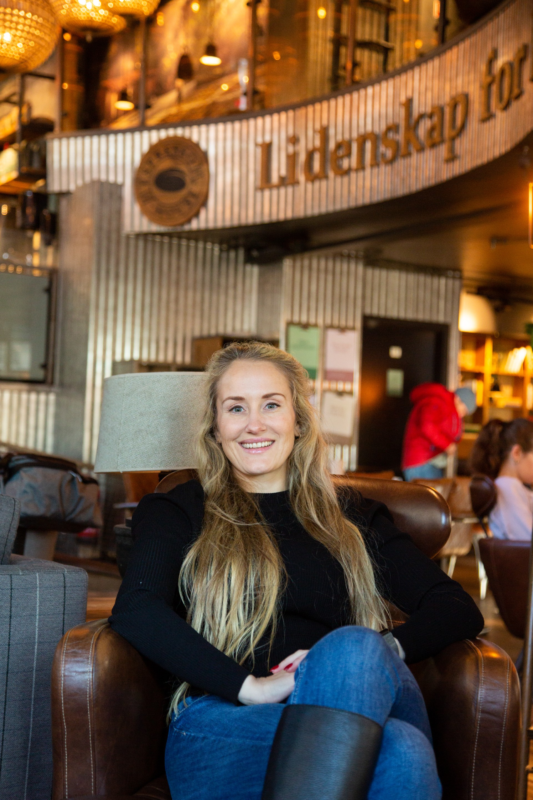
“That belief is at the heart of House of Math,” said Vibeke Faengsrud, who left a high-stakes finance career to remedy exactly this gap. Faengsrud, now based in Palo Alto, is the founder of House of Math, an online math platform designed to help students from any background build true understanding and confidence in math.
Officially launched in the U.S. in August 2025, House of Math combines personalized AI tutoring, game-like exercises and a mastery-based curriculum covering all K-12 math topics. Its design reflects Faengsrud’s own story: she once failed high school math and had to relearn from the fourth-grade level upward.
“We’ve built a global learning platform powered by AI, gamification, neuroscience and a serious dose of grit,” Faengsrud said. The system assesses each student’s gap in knowledge, then guides them step by step through foundational concepts before advancing. Students earn rewards and visual progress markers for truly understanding a topic instead of just memorizing procedures.
In Faengsrud’s words, “Knowledge empowers people and strengthens society,” and learning math can be joyful once frustration is removed. She emphasizes that “math isn’t a privilege. It’s a skill. And it’s for everyone.”
House of Math is not a magic bullet, but in a subject area where many feel traditional methods have failed, any scalable tool that makes math feel accessible is welcome.
Educational leaders caution that no single solution will instantly fix the problem. But as districts struggle with budget cuts and schools wrestle with how to allocate funds, a growing number are looking to tech innovations. For now, parents continue to shuffle their children between after-school tutors and online programs, hoping to keep up. If early feedback is any sign, platforms like House of Math could at least give struggling students a different way to learn, perhaps finally helping some who have “given up” on math find their footing.
DISCLAIMER: No part of the article was written by The Signal editorial staff.