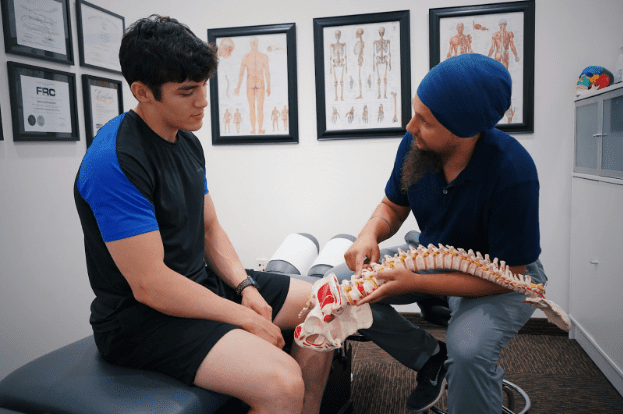
When you’re dealing with chronic pain in New Jersey, a spinal cord stimulator might be a viable option. This device works by sending precise electrical impulses to your spinal cord, effectively disrupting pain signals. It taps into your body’s natural mechanisms to manage pain, offering a tailored approach to relief. With several types available, it’s essential to understand how they function and what you can expect from the procedure, benefits, and risks. Curious about the next steps?
Understanding Chronic Pain and Its Impact
Chronic pain affects millions of individuals, considerably impacting their quality of life and emotional well-being. You may find that it alters your daily activities, leading to frustration and emotional distress. Understanding the chronic pain causes is pivotal, as they can vary widely—from injury, surgery, to conditions like arthritis or fibromyalgia. Each person’s experience is unique, necessitating tailored chronic pain management strategies.
Effective management often involves a multidisciplinary approach. This may include medication, physical therapy, and psychological support, aimed at reducing pain and improving function. It is vital to work closely with healthcare professionals to identify the most suitable plan. By doing so, you can regain a sense of control and improve your overall well-being. Remember, you’re not alone in this journey.
What Is a Spinal Cord Stimulator?
A spinal cord stimulator is a sophisticated device implanted under your skin to help manage chronic pain by interrupting pain signals before they reach your brain. It works by delivering electrical impulses to the spinal cord, which can effectively mask the pain sensation with a more pleasant tingling feeling. This evidence-based approach offers hope and relief to many individuals suffering from persistent pain, and consulting with spinal cord stimulator specialists in NJ can help determine if this treatment is right for your needs.
Device Functionality Explained
Understanding the intricate interplay of technology and the human body is key to grasping how a spinal cord stimulator functions. This device, often a beacon of hope for chronic pain sufferers, relies on its sophisticated features and strategic electrode placement to mitigate discomfort. Here’s how it works:
- Device Features: The stimulator comprises a pulse generator and electrodes, both designed for durability and adaptability.
- Electrode Placement: Electrodes are placed near the spinal cord, precisely targeting pain pathways for maximum efficacy.
- Remote Control: A handheld device allows you to adjust the stimulation settings to match your comfort level.
- Rechargeable Battery: Modern stimulators often have rechargeable batteries, minimizing the need for frequent replacements.
Each component plays a pivotal role in enhancing your quality of life.
Pain Relief Mechanism
While chronic pain can feel overwhelming, a spinal cord stimulator offers hope through its innovative pain relief mechanism. This device operates on the principle of gate control theory, which posits that non-painful input closes the “gates” to painful input, preventing pain sensation from traveling to your brain. By delivering electrical impulses to your spinal cord, the stimulator effectively masks pain signals, providing relief.
Moreover, the stimulator encourages endogenous opioid release, your body’s natural way of managing pain. These opioids are potent neurotransmitters that bind to specific receptors in your nervous system, further alleviating discomfort. By integrating these mechanisms, spinal cord stimulators provide a sophisticated approach to chronic pain management, allowing you to regain a sense of control and improve your quality of life.
The Science Behind Spinal Cord Stimulation
You’re likely curious about how spinal cord stimulation can alter your pain experience. By sending electrical impulses to specific areas of the spinal cord, these devices effectively interrupt pain signals before they reach your brain. This evidence-based approach can offer significant relief, providing you with a chance to regain control over your life.
Electrical Impulse Mechanism
Spinal cord stimulation (SCS) has emerged as a sophisticated method to manage chronic pain by utilizing electrical impulses to disrupt pain signals before they reach the brain. This technique works by targeting specific nerve pathways and altering the transmission of electrical signals. Here’s how it functions:
- Placement: Electrodes are strategically placed near the spinal cord to modulate nerve activity effectively.
- Signal Generation: A small device generates electrical impulses that travel through the electrodes.
- Nerve Pathway Modulation: These impulses alter the nerve pathways, reducing the perception of pain.
- Customization: You can adjust the intensity and frequency of the impulses to suit your unique pain profile.
This approach offers a precise, adaptable method to help you regain control over chronic pain.
Pain Signal Interruption
Understanding how spinal cord stimulation interrupts pain signals requires a closer look at the science behind this innovative approach. When you’re dealing with chronic pain, your nerves continuously send pain signals to your brain. A spinal cord stimulator effectively disrupts these signals through electrical signal disruption. By delivering small electrical impulses to specific nerve fibers, the device activates these fibers in a way that alters the transmission of pain messages. This process can considerably reduce your perception of pain.
Clinical studies show that this technique is grounded in evidence-based practice, providing relief for many individuals suffering from intractable pain. It’s not just about masking pain; spinal cord stimulation changes how your nervous system processes pain, offering a promising alternative for long-term management.
Types of Spinal Cord Stimulators Available
When exploring the various types of spinal cord stimulators available, it’s crucial to understand the distinctions between them to make informed decisions about managing chronic pain. Each type has unique features designed to suit individual needs.
- Implantable Pulse Generators (IPGs): These are surgically placed devices that deliver electrical pulses to the spinal cord, providing lasting relief for many patients.
- Rechargeable Stimulators: Ideal if you’re looking for long-term use without frequent replacements. They require periodic charging but offer consistent pain management.
- Non-rechargeable Stimulators: These don’t need charging but have a shorter lifespan, leading to more frequent replacements.
- Adaptive Stimulators: These adjust to your body’s position and activity, ensuring paramount pain relief throughout your daily activities.
The Procedure: What Patients Can Expect
Choosing the appropriate spinal cord stimulator is just the beginning of your journey toward managing chronic pain. The implantation procedure is a critical step, conducted with precision and care. Initially, you’ll undergo a trial phase, where temporary leads are placed to assess effectiveness. If successful, the permanent implantation follows. Under local anesthesia, your physician will make an incision to implant the device’s leads in the epidural space, followed by the stimulator in a small pocket under your skin. The step by step details guarantee accuracy and minimize discomfort. Recovery is usually swift, allowing you to gradually resume daily activities. Throughout the process, your healthcare team remains committed to supporting you, guaranteeing the procedure is as smooth and stress-free as possible.
Evaluating Candidacy for Spinal Cord Stimulation
Determining if you’re a candidate for spinal cord stimulation involves a thorough assessment of your medical history, current condition, and pain management needs. This evaluation is vital in identifying the best approach to address your chronic pain using customized treatment plans. Here’s what healthcare professionals typically consider:
- Medical History: They’ll review your past treatments and surgeries, focusing on potential comorbidities that may affect outcomes.
- Current Pain Level: Analyzing your pain’s intensity and persistence helps shape the intervention.
- Previous Treatments: Success or failure with previous pain management strategies provides insight into your needs.
- Overall Health: Your general health status and lifestyle factors contribute to determining your suitability for the procedure.
Each step guarantees that spinal cord stimulation aligns with your unique health profile.
Benefits of Using a Spinal Cord Stimulator
With a spinal cord stimulator, you can experience effective pain relief by interrupting pain signals before they reach your brain, a mechanism that’s shown promising results in clinical studies. This treatment is minimally invasive, allowing you to avoid more complex surgeries while still addressing your chronic pain. As a result, you may find a significant improvement in your quality of life, gaining more freedom to engage in daily activities with reduced discomfort.
Pain Relief Mechanism
When chronic pain becomes a constant companion, a spinal cord stimulator (SCS) offers a promising avenue for relief by disrupting pain signals before they reach the brain. This device targets neuron activation, focusing on modifying nociceptor responses that contribute to your discomfort.
- Neuron Activation: The SCS alters the activity of specific neurons, reducing the transmission of pain signals.
- Nociceptor Responses: By interfering with nociceptors, the SCS diminishes your body’s perception of pain.
- Personalized Relief: You can adjust the SCS settings to match your unique pain patterns, enhancing comfort.
- Proven Effectiveness: Clinical studies have shown that SCS substantially decreases chronic pain, improving quality of life.
This approach is grounded in scientific research, offering hope and relief.
Minimally Invasive Treatment
Though the thought of medical procedures might seem formidable, using a spinal cord stimulator for chronic pain management is a minimally invasive treatment that offers substantial benefits. This minimally invasive approach means you can avoid extensive surgery, reducing risks and recovery time. The procedure usually involves small incisions, allowing for quicker healing and less scarring. You’ll likely experience fewer complications compared to more invasive surgeries. Additionally, the benefits of the treatment include a significant reduction in chronic pain, enabling you to potentially decrease reliance on medications that come with adverse effects. This evidence-based approach is tailored to your needs, aiming to improve your day-to-day comfort. As you consider your options, this treatment offers a promising path forward in managing chronic pain.
Improved Quality of Life
Living with chronic pain can drastically affect one’s quality of life, but a spinal cord stimulator offers a promising solution. It can substantially enhance your daily experiences by providing effective pain relief, allowing you to engage in activities with greater ease. Here’s how it leads to an improved quality of life:
- Improved Mood: By reducing pain, it can help stabilize your mood, making you feel more positive and energized.
- Increased Independence: With reduced pain, you’ll find it easier to perform everyday tasks, fostering a sense of autonomy.
- Enhanced Sleep: Better pain management often leads to improved sleep, which is essential for overall well-being.
- Decreased Reliance on Medications: It can reduce the need for pain medications, minimizing side effects and improving your health.
Potential Risks and Considerations
While spinal cord stimulators offer significant relief for chronic pain sufferers, it is paramount to be aware of the potential risks and considerations associated with their use. You might experience postoperative complications such as infection, bleeding, or adverse reactions to anesthesia. These occurrences, though not common, necessitate vigilance and prompt medical attention. Device malfunction is another concern, which could lead to ineffective pain management or increased discomfort. It’s important to maintain open communication with your healthcare team to verify any issues are addressed quickly. Additionally, consider the long-term commitment required, as regular follow-ups and potential device adjustments are integral to success. Balancing the benefits with these considerations will empower you to make informed decisions about your pain management journey.
Recovery and Aftercare Guidelines
After undergoing spinal cord stimulator implantation, comprehending the recovery and aftercare guidelines is vital to maximize your healing process and guarantee effective pain relief. Adhering to rehabilitation protocols and making necessary lifestyle modifications are indispensable steps in your journey.
- Follow post-operative instructions: Attend all follow-up appointments and adhere to your healthcare provider’s advice to monitor progress.
- Engage in rehabilitation exercises: These exercises are tailored to your needs, helping restore mobility and strength.
- Implement lifestyle modifications: Ponder dietary changes and stress management techniques to support overall well-being.
- Monitor for complications: Be vigilant for signs of infection or device malfunction, and seek immediate medical attention if needed.
Finding a Qualified Specialist in New Jersey
Traversing the path to finding a qualified specialist for spinal cord stimulator treatment in New Jersey can feel formidable, but it’s an essential step towards effective pain management. Start by seeking recommendations from your primary care physician, who can provide evidence-based referrals. Review credentials and verify the specialist is board-certified in pain management or neurology, emphasizing expertise in spinal cord stimulation.
Consider scheduling consultations with potential doctors to gauge their approach and empathy towards your condition. A specialist who listens and understands your unique pain profile is vital. Additionally, explore patient reviews and testimonials to assess satisfaction and outcomes. Choosing the right doctor not only guarantees ideal treatment but also fosters a supportive environment for your chronic pain journey.
Frequently Asked Questions
How Does Insurance Coverage Work for Spinal Cord Stimulators in New Jersey?
You’ll need to navigate the insurance approval process, guaranteeing your spinal cord stimulator is covered. Verify if your provider network coverage includes it. Consult your insurance and medical team to ascertain seamless, evidence-based support for your chronic pain management.
Are There Financing Options Available for Spinal Cord Stimulator Procedures?
Yes, there’re financing options available. Many providers offer payment plans and financing assistance to ease the financial burden. It’s important to discuss these options with your healthcare provider to find a plan that suits you.
Can a Spinal Cord Stimulator Be Used Alongside Other Pain Management Treatments?
Yes, you can use a spinal cord stimulator with combination therapies. Complementary treatments like physical therapy or medication often enhance its effectiveness. It is crucial to consult your healthcare provider for a tailored, evidence-based approach to pain management.
How Long Does a Spinal Cord Stimulator Battery Last Before Needing Replacement?
You’ll find a spinal cord stimulator’s battery lifespan typically ranges from 5 to 10 years, depending on usage. Replacement involves a straightforward procedure, ensuring your device continues providing effective pain relief without significant interruption.
What Lifestyle Changes Are Recommended After Getting a Spinal Cord Stimulator?
After getting a spinal cord stimulator, it’s essential to adapt your exercise routine to avoid strain, ensuring gradual intensity. Dietary considerations, like reducing inflammatory foods, can also support your recovery. Consult your healthcare provider for personalized advice.