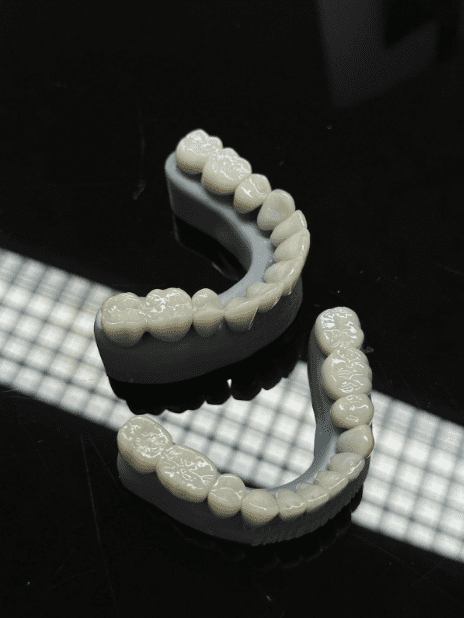
During a dental crown procedure in NYC, you’ll commence a meticulous journey to restore your tooth’s function and aesthetics. Initially, expect precise tooth preparation, where minimal enamel is removed to accommodate the crown. Advanced techniques like digital impressions guarantee a perfect fit. While awaiting your custom crown, a temporary one will protect your tooth. Curious about the intricacies of cementing the permanent crown and managing post-procedure care? There’s much more to uncover in this transformative process.
Preparing for Your Dental Crown Appointment
Before your dental crown appointment, it’s crucial to understand the preparatory steps involved to guarantee a successful procedure. First, familiarize yourself with the crown application process. This involves the precise shaping of the tooth, taking accurate impressions, and selecting suitable materials to confirm the crown’s functionality and aesthetics. If you’re seeking to customize dental crowns in NYC, your dentist can guide you through available options such as porcelain, metal, or resin crowns to ensure the best match for your smile.
Equally important are the patient paperwork requirements. Make certain all relevant medical history, insurance information, and consent forms are completed accurately and submitted timely. This documentation helps your dental professional tailor the treatment to your unique circumstances and avoid any procedural delays. Proper preparation streamlines the process, enhancing the overall outcome of your dental crown application.
Initial Consultation and Examination
During your initial consultation for a dental crown in NYC, the dental professional will conduct a thorough assessment of your oral health to determine the suitability of a crown. They’ll utilize advanced diagnostic tools to evaluate the integrity of your tooth structure and surrounding tissues. Once this examination is complete, a tailored treatment plan will be developed, outlining the procedural steps and expected outcomes.
Assessing Dental Health
When evaluating dental health for a crown procedure, it’s indispensable to conduct a thorough initial consultation and examination. This includes an extensive dental history review to identify any past conditions or treatments that might influence the current procedure. Your dentist will meticulously assess gum health, as periodontal stability is pivotal for the long-term success of a dental crown. During this assessment, they’ll look for any signs of inflammation or recession that could impact the procedure’s outcome. Radiographic imaging is typically employed to examine the underlying tooth structure, ensuring it can support the crown. By evaluating these factors, your dentist can determine if you’re a suitable candidate for the procedure and anticipate any potential complications that might arise during treatment.
Treatment Plan Overview
Following the thorough assessment of your dental health, the next step involves formulating an extensive treatment plan tailored to your specific needs. During your initial consultation, your dentist will provide a detailed crown procedure overview. This includes discussing the condition of the affected tooth, evaluating its structural integrity, and determining the most suitable materials for your dental crown. Understanding this dental treatment plan is indispensable, as it outlines each phase of the procedure, from preparation to final placement. Your dentist will also consider factors such as bite alignment and aesthetic preferences to guarantee ideal results. By addressing potential concerns and setting realistic expectations, you’ll be well-prepared for the journey towards restoring your tooth’s functionality and appearance with a dental crown.
X-Rays and Impressions
Before commencing the dental crown procedure, it is critical to capture precise images and molds of your teeth. Initially, digital scans are employed to acquire high-resolution, three-dimensional images of the affected area. These scans allow the dental professional to assess the tooth’s structure and surrounding tissue accurately. Subsequently, tooth impressions are taken to create an exact mold of your dental anatomy. This process involves using a specialized dental putty or advanced digital impression systems to replicate the contours and occlusion of your teeth meticulously.
These digital scans and physical impressions are essential for fabricating a crown that fits seamlessly and functions ideally. Ensuring accuracy in this preliminary stage is crucial for the crown’s longevity and the overall success of your restorative treatment.
Discussing Material Options for Your Crown
When considering the material for your dental crown, you’ll encounter options like porcelain, metal alloys, and zirconia, each offering distinct advantages with respect to strength and longevity. Porcelain crowns are renowned for their natural aesthetic appeal, making them perfect for front teeth, while metal alloys deliver exceptional toughness for molars. It is crucial to balance aesthetic considerations with functional demands to guarantee optimal performance and appearance.
Types of Crown Materials
Selecting the appropriate material for your dental crown is crucial to guarantee long-lasting strength and visual appeal. You’ll encounter various options, each with distinct benefits. Porcelain veneers are renowned for their aesthetic superiority, mimicking the natural translucency of teeth. These veneers are often chosen for their ability to blend seamlessly with existing dentition, making them ideal for visible areas. If you prefer metal free alternatives, consider all-ceramic or all-porcelain crowns. These materials eliminate the risk of metal allergies and offer excellent biocompatibility. Additionally, zirconia crowns provide a robust, metal-free solution that balances strength and esthetics. Each material option presents unique properties that can influence your dental restoration’s overall success, ensuring it aligns with your specific needs and preferences.
Strength and Durability
Understanding the strength and durability of crown materials is essential for ideal dental restoration outcomes. When considering your options, you’ll find that materials like zirconia and porcelain-fused-to-metal (PFM) are renowned for their longevity and robust performance. Zirconia crowns, due to their exceptional fracture resistance and biocompatibility, offer substantial durability, making them suitable for posterior restorations where high masticatory forces are prevalent. PFM crowns also provide significant strength, combining a metal substructure with a porcelain overlay, offering both endurance and esthetic appeal.
In contrast, all-ceramic crowns provide excellent esthetic appeal but may lack the same level of durability in high-stress situations. Carefully weigh these material properties to guarantee your dental crown not only meets your functional needs but also maintains its integrity over the years.
Aesthetic Considerations
While strength and durability are critical factors in choosing a dental crown, aesthetic considerations shouldn’t be overlooked. The material of your crown substantially influences its appearance, ensuring it seamlessly integrates with your natural teeth. Consider these options:
- Porcelain: Offers superior color matching, mimicking the translucency and texture of natural teeth, ideal for front teeth where aesthetic design is paramount.
- Porcelain-fused-to-metal (PFM): Balances strength and aesthetics, though the metal core can sometimes affect translucency and color matching.
- Zirconia: Known for its robust durability and excellent aesthetic design, zirconia crowns are strong, with improved color matching capabilities.
- E-Max (Lithium Disilicate): Offers exceptional translucency and aesthetics, making it a top choice for those prioritizing a natural look.
These material options help achieve a harmonious and visually pleasing dental restoration.
Tooth Preparation and Temporary Crown Placement
Before a dental crown can be placed, the tooth must be meticulously prepared to guarantee a perfect fit and ideal function. Initially, your dentist will execute precise tooth reduction steps, contouring the tooth to accommodate the crown seamlessly. This involves removing a specific amount of enamel and dentin to guarantee the crown’s proper thickness and alignment with neighboring teeth. Once the preparation is complete, an impression of the reduced tooth is taken to create a custom-fit crown.
While awaiting the permanent crown, a temporary crown is placed to maintain tooth integrity and aesthetics. Temporary crown stability is essential to protect the tooth and provide functionality. It’s held in place using a mild adhesive, making sure it can be easily removed when the permanent crown is ready.
Living With a Temporary Crown
Adapting to life with a temporary crown involves several key considerations to verify the protection and longevity of your dental work. You must be mindful of chewing limitations and exercise caution to avoid dislodging the crown.
- Chew on the opposite side: To prevent undue stress on the temporary crown, avoid using it for chewing hard or sticky foods.
- Avoid extreme temperatures: Sensitive teeth may react to hot or cold foods, so moderate your consumption to maintain comfort.
- Use gentle oral hygiene: Carefully brush and floss around the crown, avoiding upward pressure that might loosen it.
- Monitor the fit: If the crown feels loose or causes discomfort, promptly consult your dentist to address potential issues.
Following these guidelines promotes ideal dental health.
Final Crown Fabrication
As the temporary crown serves its purpose, the process of final crown fabrication begins, ensuring a durable and aesthetically pleasing restoration. This involves precise mold fabrication of your tooth’s impression, which provides an exact blueprint for crafting the final crown. The intricate process of laboratory construction then takes place, where skilled technicians utilize advanced materials like porcelain, ceramic, or metal alloys to create a crown that matches the natural look of your teeth. Each step in the laboratory is meticulously monitored to guarantee structural integrity and ideal fit. The result is a custom-made crown, designed to withstand the forces of mastication while seamlessly integrating with your dental architecture. This precision-crafted restoration is essential for long-term functionality and aesthetic appeal.
Fitting and Adjusting Your Permanent Crown
With the final crown expertly crafted, the next step involves fitting and adjusting it to guarantee ideal comfort and functionality. Your dentist will meticulously confirm the crown aligns perfectly with your bite and the adjacent teeth.
- Occlusion Verification: Your dentist will check your bite to ensure the crown doesn’t interfere with occlusion, consequently adjusting crown comfort.
- Margin Integrity: Verification of crown margins ensures seamless integration with the gum line.
- Shade Matching: The crown’s color is matched to your natural teeth for an aesthetically pleasing result.
- Sensitivity Management: If you experience initial discomfort, your dentist will provide solutions for managing crown sensitivity.
These steps are essential for achieving a durable and comfortable dental restoration.
Post-Procedure Care and Maintenance
After your dental crown procedure, it’s pivotal to manage any discomfort with appropriate analgesics and adhere to dietary modifications to facilitate ideal healing. You should avoid hard or sticky foods initially to prevent dislodging the crown, and maintain rigorous oral hygiene practices to verify long-term stability. By following these guidelines, you’ll enhance the durability of your crown and maintain oral health effectively.
Pain Management Tips
When you undergo a dental crown procedure, effective pain management is crucial for ideal recovery and comfort. Post-procedure, the anesthesia effectiveness will gradually diminish, necessitating vigilant pain management techniques to guarantee a smooth healing process. These are key strategies to manage discomfort:
- Over-the-counter analgesics: Utilize NSAIDs like ibuprofen to alleviate inflammation and pain. Follow dosage instructions carefully.
- Cold compresses: Apply an ice pack on the cheek near the affected area to reduce swelling and numb pain.
- Oral hygiene: Maintain meticulous oral hygiene to prevent infection, but be gentle around the treated area.
- Rest: Ensure ample rest to facilitate recovery and mitigate discomfort. Avoid strenuous activities immediately post-procedure.
Implement these guidelines for optimal post-procedure experience and rapid healing.
Dietary Recommendations After
While managing pain effectively is a critical component of recovery, paying attention to your diet is equally important to guarantee proper healing after a dental crown procedure. Opt for soft food choices such as yogurt, mashed potatoes, and smoothies, which minimize stress on your newly placed crown. These options help in reducing the risk of dislodging or damaging the crown during the initial healing period. It’s pivotal to avoid hard foods like nuts, popcorn, and hard candies, as they can exert excessive pressure on the restoration, potentially leading to complications. Also, steer clear of sticky substances, as they may adhere to the crown and pull it loose. Adopting these dietary precautions will promote ideal recovery and ensure the longevity of your dental crown.
Long-term Crown Care
To guarantee the enduring success of your dental crown, meticulous attention to long-term care and maintenance is paramount. Implementing proper crown cleaning techniques and monitoring for signs of crown deterioration secures longevity.
- Daily Oral Hygiene: Use a soft-bristled toothbrush and fluoridated toothpaste, focusing on the gum line to prevent plaque accumulation.
- Flossing Technique: Utilize a floss threader or water flosser to gently clean between your crown and adjacent teeth, avoiding excessive pressure.
- Regular Dental Check-ups: Schedule biannual visits to your dentist for professional cleanings and to assess any potential signs of crown deterioration.
- Monitor for Changes: Be vigilant for sensitivity, discomfort, or visible wear on your crown, and promptly report these to your dental professional.
Scheduling Follow-Up Appointments
After completing your dental crown procedure in NYC, it’s imperative to schedule follow-up appointments to guarantee favorable results and monitor the health of your restoration. Scheduling regular check-ups allows your dentist to evaluate the crown’s integrity, ensuring it remains properly seated and functions effectively. During these visits, potential complications like gum inflammation or bite misalignment can be promptly addressed. It’s also essential to discuss payment plans for these follow-ups, as they might not be fully covered by insurance. Your dentist’s office can offer flexible solutions tailored to your financial needs, ensuring ongoing care without undue stress. Prioritize these appointments to maintain oral health and prolong the lifespan of your dental crown, solidifying the success of your initial treatment.
Frequently Asked Questions
How Long Does a Dental Crown Procedure Typically Take?
A dental crown procedure typically takes about two visits. The crown installation duration varies, but each appointment generally lasts 60-90 minutes. The crown procedure timeline includes tooth preparation, impression taking, and final crown fitting, ensuring ideal results.
Are There Any Dietary Restrictions After Receiving a Crown?
After receiving a crown, you’ll need to avoid hard, sticky foods, as they can dislodge or damage it. Soft diet recommendations include mashed potatoes, yogurt, and applesauce. These guarantee minimal stress on the new dental restoration.
Will the Dental Crown Procedure Be Painful?
You shouldn’t feel pain during the dental crown procedure due to local anesthetic providing numbing sensations. However, some patients might experience mild procedure discomfort, which typically resolves quickly. Communicate with your dentist if discomfort persists post-procedure.
Can I Drive Myself Home After the Procedure?
Yes, you can drive yourself home after the crown removal process. Post-procedure recovery considerations typically don’t involve sedation, allowing you to safely operate a vehicle. However, if anesthesia was used, guarantee you’re fully alert before driving.
How Much Does a Dental Crown Cost in NYC?
In NYC, dental crowns typically range from $800 to $3,000, depending on materials. Dental insurance coverage can drastically reduce costs. Many practices offer payment plans to ease financial burdens, ensuring you receive necessary dental restoration without undue stress.