Choosing between clear aligners and traditional braces can feel overwhelming, especially when you want the best results with minimal disruption to your daily life. Both options have their pros and cons, depending on your specific dental needs, lifestyle, and aesthetic preferences. Understanding how each treatment works and what to expect can help you make an informed decision that suits you best. But which one truly fits your unique situation?
How Clear Aligners Work
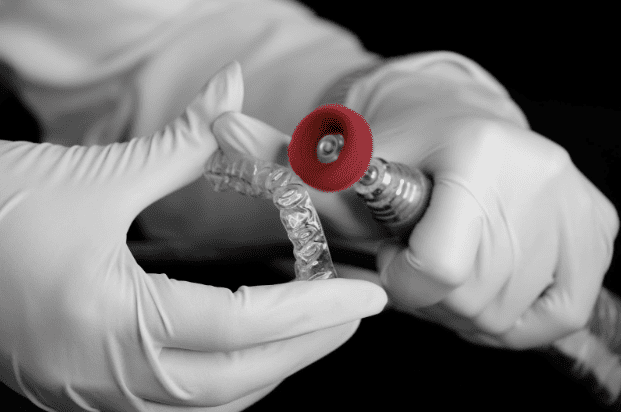
Although clear aligners might seem simple at first glance, they work through a sophisticated system of custom-designed trays that gradually shift your teeth into place. Using advanced clear aligners technology, your orthodontist creates a precise 3D model of your mouth, enabling the design of a series of aligners tailored to your unique dental structure. Each aligner applies gentle, controlled pressure on specific teeth, moving them incrementally over time. You’ll wear each set for about one to two weeks before progressing to the next. The clear aligners benefits include improved comfort, removability for eating and cleaning, and a discreet appearance compared to traditional braces. For those seeking professional guidance, exploring orthodontic clear aligners treatment in Las Vegas can provide a tailored approach that ensures effective results while maintaining convenience and aesthetics throughout your orthodontic journey.
How Traditional Braces Work
When you get traditional braces, metal brackets are attached to your teeth and connected by wires. These wires apply steady pressure, guiding your teeth into the correct position over time. This gradual movement helps achieve lasting alignment and improved dental health.
Metal Brackets and Wires
Metal brackets and wires form the foundation of traditional braces, working together to gradually shift your teeth into proper alignment. When you choose metal braces for orthodontic treatment, these components play critical roles:
- Metal Brackets: These small, durable pieces are bonded to each tooth, acting as anchors for the wires.
- Archwires: Threaded through the brackets, the wires apply consistent pressure to move your teeth into the desired position.
- Ligatures: Tiny elastic bands or metal ties hold the archwires in place on the brackets, maintaining tension.
This system is effective for a broad range of dental corrections, providing reliable control over tooth movement. Understanding how metal brackets and wires function helps you appreciate the precision behind traditional orthodontic treatment.
Gradual Teeth Movement
The combination of brackets, wires, and ligatures work together to apply steady pressure that encourages your teeth to move slowly over time. This gradual teeth movement is carefully controlled through precise treatment planning by your orthodontist, ensuring each adjustment shifts your teeth closer to their desired position. Unlike aligner technology, which uses a series of removable trays to reposition teeth, traditional braces provide continuous force without interruption. The wires are periodically tightened or replaced to maintain consistent pressure, guiding your teeth through bone remodeling. This method is particularly effective for complex cases requiring significant correction. Understanding how braces achieve gradual movement helps you appreciate the meticulous planning involved in your orthodontic journey, contrasting with the flexibility offered by clear aligners.
Appearance and Aesthetics Comparison
Choosing between clear aligners and braces often comes down to how you want your orthodontic treatment to look. Clear aligners are nearly invisible, making them a popular choice if you prefer a discreet option. Traditional braces, however, are more noticeable due to metal brackets and wires.
Here’s a quick comparison:
- Clear aligners are transparent and blend with your natural teeth.
- Traditional braces can be customized with colored bands but remain visibly prominent.
- Clear aligners offer a sleek, modern appearance, while braces have a classic, more obvious look.
Your decision will depend on how much you value subtlety versus the tried-and-true effectiveness of traditional braces in achieving your desired smile.
Comfort and Convenience Factors
Although both clear aligners and braces effectively straighten teeth, you’ll find notable differences in comfort and convenience that might influence your choice. Clear aligners generally offer higher comfort levels since they’re smooth and removable, reducing the risk of irritation to your cheeks and gums. You can easily remove them to eat, brush, and floss, minimizing lifestyle adjustments. On the other hand, braces are fixed appliances that may cause initial discomfort and require more careful oral hygiene practices. With braces, you’ll need to avoid certain foods and be diligent about cleaning around brackets and wires. Ultimately, if comfort and minimal disruption to your daily routine matter most, clear aligners might be the better option. However, your orthodontist will help determine what suits your specific needs best.
Treatment Duration Differences
When considering treatment duration, it’s important to understand that clear aligners and braces each have different timelines based on your orthodontic needs. The treatment timelines depend on the complexity of your case and your ability to adhere to your orthodontist’s instructions. Here’s what you can expect:
- Clear aligners typically offer shorter treatment times for mild to moderate cases, often ranging from 6 to 18 months, but they require you to wear them for 20-22 hours daily.
- Traditional braces may take longer, usually 18 to 24 months, especially for complex corrections, but they work continuously without removal.
- Your patient commitment plays a significant role; with aligners, inconsistent wear can extend treatment, whereas braces provide steady progress regardless of patient compliance.
Choosing between the two involves balancing your lifestyle with realistic treatment timelines.
Dietary and Lifestyle Considerations
When choosing between clear aligners and braces, you’ll need to take into account how each affects your eating habits and daily routine. Braces often require avoiding certain foods to prevent damage, while aligners can be removed during meals, offering more flexibility. Additionally, the cleaning process varies greatly, with aligners needing regular removal and rinsing, whereas braces require careful brushing around brackets and wires.
Eating Restrictions Comparison
Since your choice between clear aligners and braces can significantly impact your daily eating habits, understanding the dietary restrictions associated with each is essential. Clear aligners offer more flexibility; you remove them before meals, so your food choices are less limited. Braces, however, require careful attention to avoid damaging the hardware or causing discomfort.
Consider these key differences:
- With braces, avoid sticky, hard, or chewy foods like caramel, nuts, and popcorn to prevent bracket damage.
- Clear aligners let you enjoy all foods but must be removed and cleaned before eating.
- Braces may cause discomfort when biting into certain foods, affecting your eating habits more than aligners.
Knowing these distinctions helps you select the option best suited to your lifestyle and dietary preferences.
Maintenance and Cleaning Differences
Managing your eating habits is just one aspect to contemplate; maintaining and cleaning your orthodontic devices plays a significant role in both effectiveness and comfort. With clear aligners, you’ll need to follow specific cleaning routines daily, such as rinsing them and gently brushing to prevent buildup and discoloration. These maintenance tips help keep your aligners clear and hygienic. On the other hand, braces require meticulous cleaning around brackets and wires, often using special brushes and floss threaders to remove trapped food particles, which can be time-consuming. Neglecting these routines increases the risk of plaque buildup and gum irritation. Understanding these differences helps you prepare for the commitment needed to maintain your orthodontic device properly, ensuring ideal treatment results and oral health throughout the process.
Maintenance and Oral Hygiene
Although both clear aligners and braces require consistent care, the approach to maintenance and oral hygiene differs markedly between the two. With clear aligners, you’ll need to remove them before eating and clean them regularly to avoid bacteria buildup. Braces, on the other hand, demand meticulous brushing and flossing around brackets and wires to prevent plaque accumulation. Here are essential maintenance tips to help you maintain ideal oral hygiene:
- For clear aligners, clean them daily using a soft brush and clear, gentle soap—avoid toothpaste, which can scratch.
- With braces, use interdental brushes or floss threaders to clean hard-to-reach areas.
- Visit your orthodontist regularly to monitor progress and verify your oral hygiene routine is effective.
Following these tips will help you maintain a healthy smile throughout your treatment.
Cost Comparison Between Clear Aligners and Braces
Maintaining good oral hygiene plays a role in the overall cost of orthodontic treatment, but when deciding between clear aligners and braces, understanding the financial aspects is equally important. Generally, clear aligners tend to be slightly more expensive than traditional braces due to their customized design and advanced technology. However, the final cost varies based on treatment complexity and duration. You should review insurance coverage carefully, as some plans may cover braces more thoroughly than clear aligners. Many providers offer flexible payment plans, making both options more affordable over time. It’s essential to consult with your orthodontist about all potential fees, including adjustments and follow-up visits, so you can choose the option that fits your budget while meeting your treatment goals.
Suitability for Different Types of Orthodontic Issues
When considering treatment options, you’ll find that clear aligners work best for mild to moderate orthodontic issues, while braces often handle severe cases more effectively. Certain bite corrections, like crossbites or complex tooth rotations, may require the controlled force braces provide. Understanding your specific needs can help determine which option suits your orthodontic goals.
Mild Vs Severe Cases
Because orthodontic issues vary in complexity, the choice between clear aligners and braces largely depends on whether your case is mild or severe. If you have mild misalignment, clear aligners can effectively correct your teeth discreetly and comfortably. However, for severe crowding or complex tooth movements, braces often provide more precise control.
Here’s a quick comparison: 1. Mild misalignment: Clear aligners usually suffice for minor adjustments. 2. Moderate cases: Braces may be recommended for more control and predictable results. 3. Severe crowding or complex issues: Traditional braces are typically necessary to achieve ideal alignment.
Ultimately, your orthodontist will evaluate your specific condition to determine which option best suits your treatment needs.
Specific Bite Corrections
Although both clear aligners and braces aim to improve your bite, their effectiveness varies depending on the type of bite issue you have. Clear aligners excel at correcting mild to moderate malocclusions, such as minor overbites or crossbites, using precise bite alignment techniques. However, for more complex bite corrections—like severe underbites, open bites, or significant tooth rotations—braces often provide greater control and predictability. Braces apply continuous force, allowing orthodontists to address specific orthodontic goals that require intricate tooth movements and jaw adjustments. When deciding between the two, consider the severity and nature of your bite problem. Consulting with an orthodontist will help determine which method aligns best with your treatment goals, ensuring efficient and effective correction tailored to your unique orthodontic needs.
Long-Term Results and Effectiveness
Since your choice between clear aligners and braces can impact your smile for years to come, understanding their long-term results and effectiveness is essential. When considering long term alignment, both treatments offer durable outcomes, but their success often depends on your commitment to follow-up care. Here’s an effectiveness comparison to help you decide:
- Retention Phase: Clear aligners require diligent use of retainers to maintain alignment, similar to braces.
- Treatment Scope: Braces tend to address complex bite issues more effectively, ensuring stability over time.
- Patient Compliance: Aligners rely heavily on your discipline, which can affect long-term alignment results.
Ultimately, your lifestyle and the nature of your dental issues will influence which option maintains your smile best.
Frequently Asked Questions
Can Clear Aligners Cause Speech Difficulties?
Yes, clear aligners can cause temporary speech difficulties, but with speech adaptation and regular aligner adjustments, you’ll quickly adjust. Most people find their pronunciation returns to normal within a few days to weeks of use.
Are There Age Restrictions for Using Clear Aligners?
There aren’t strict age restrictions for clear aligners, but clear aligners suitability depends on your dental development and age considerations. Your dentist will assess if your teeth and gums are mature enough for effective treatment with aligners.
How Often Are Orthodontic Visits Required With Each Option?
You’ll typically have orthodontic visits every 4-6 weeks with braces, but clear aligners often require less frequent check-ins, around every 6-8 weeks. Treatment duration and orthodontic frequency depend on your specific case.
Can Clear Aligners Be Used After Braces for Touch-Ups?
Yes, you can use clear aligners after braces for touch-ups. They serve as effective retainer options, maintaining your treatment effectiveness while correcting minor shifts without reverting to full braces.
Do Insurance Plans Typically Cover Clear Aligners or Braces?
Insurance coverage varies, but braces often have better insurance coverage than clear aligners due to cost comparison. You should check your specific plan, as some cover both partially, while others might exclude clear aligners entirely.