A lot of people assume lowering household expenses automatically means sacrificing comfort. The image that usually comes to mind involves colder rooms, dimmer lights, shorter showers, and constantly worrying about utility usage. In reality, the most effective long-term cost-saving home upgrades tend to work quietly in the background without making daily life feel restrictive at all.
That difference matters because people are becoming far more selective about where their money goes. Rising utility bills, insurance costs, mortgage pressure, and inflation have changed the emotional relationship homeowners have with monthly expenses. More households now want systems and upgrades that reduce financial stress without making home life feel less enjoyable.
The most successful changes usually share one characteristic: they improve efficiency rather than forcing constant behavioral discipline. People rarely maintain extreme routines long term. Practical systems that naturally reduce waste tend to last because they integrate smoothly into ordinary life.
The Biggest Savings Usually Come From Invisible Improvements
One reason certain home upgrades feel worthwhile over time is that they reduce costs without requiring daily attention. Better insulation, efficient windows, sealed air leaks, improved roofing materials, and updated HVAC systems rarely create dramatic visual transformations, yet they consistently affect monthly bills.
These upgrades also improve comfort at the same time. Rooms maintain temperature more evenly. Drafts disappear. Noise levels drop slightly. Heating and cooling systems stop working as aggressively throughout the day. The financial savings become noticeable gradually, but the comfort improvement often appears immediately.
That balance between efficiency and livability increasingly shapes how homeowners think about spending itself. People want purchases that continue returning value over time rather than creating only temporary excitement. Someone comparing EFT’s vs stocks is usually evaluating long-term consistency, risk, and stability instead of looking only for quick short-term gains. Homeowners are beginning to apply similar thinking to household expenses and property upgrades.
The emotional appeal comes from reducing ongoing pressure rather than dramatically changing lifestyle habits.
Energy Independence Feels More Valuable Than Before
Another noticeable shift is the growing desire for greater control over household energy costs. Utility bills feel increasingly unpredictable, especially during extreme weather seasons when heating or cooling demand spikes sharply.
That uncertainty changed how many homeowners think about solar power, battery systems, and energy-efficient infrastructure. Solar installations no longer feel like niche environmental projects reserved for a small group of homeowners. In many areas, they are now viewed through a practical financial lens tied to long-term stability and lower monthly volatility.
The emotional appeal goes beyond saving money alone. People like the idea of reducing dependence on constantly fluctuating energy costs. Even homeowners who once ignored renewable energy conversations now spend time evaluating long-term household efficiency more seriously than they did years ago.
That growing interest helped bring more attention toward suppliers and equipment providers such as https://thesolarstore.com/, particularly among homeowners trying to create systems that lower operating costs without disrupting everyday comfort.
The mindset is less about dramatic lifestyle changes and more about making homes feel financially sustainable long term.
Comfort Is Becoming More Important, Not Less
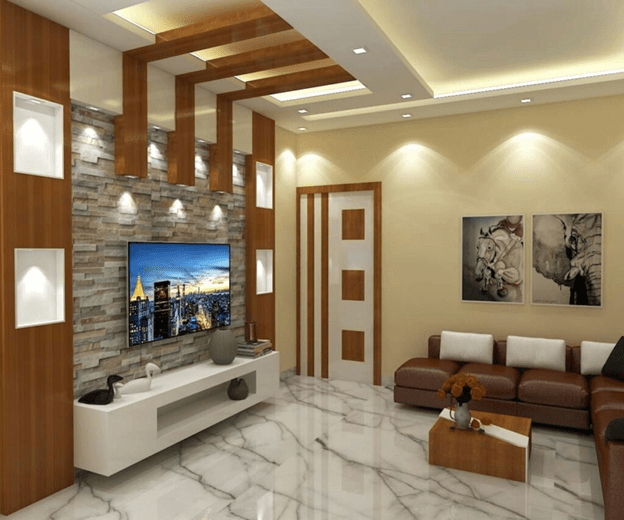
One interesting contradiction in modern home spending is that people simultaneously want lower expenses and better comfort. At first glance, those goals may sound incompatible, but the most successful upgrades usually accomplish both.
Smart thermostats provide a simple example. They reduce unnecessary heating and cooling usage while also making temperature management easier and more consistent. Ceiling fans improve airflow while reducing strain on air conditioning systems. Layered lighting systems lower electricity usage while making rooms feel calmer and more inviting.
People are increasingly willing to invest in products that improve everyday experience while quietly reducing inefficiency behind the scenes. The emotional difference matters because homeowners are no longer interested in constant sacrifice. They want homes that feel relaxing, manageable, and financially sustainable simultaneously.
That shift also explains why high-maintenance luxury purchases sometimes feel less appealing now than they once did. Homeowners increasingly evaluate whether something will simplify daily life or quietly create additional stress and expense over time.
Smaller Changes Add Up Faster Than People Expect
One reason people become discouraged about lowering home expenses is that they imagine only massive renovations creating meaningful impact. In reality, smaller improvements often compound more effectively than expected.
Window coverings that regulate indoor temperature better, updated weather stripping, efficient appliances, improved water fixtures, and reduced standby power usage can gradually create noticeable monthly savings. More importantly, these adjustments rarely change how people actually live inside the home.
That distinction matters because sustainability tends to fail when routines become too inconvenient. Most people will not maintain extreme energy-saving habits forever if the process constantly feels restrictive or uncomfortable. Systems that work passively in the background tend to succeed because they require less emotional effort.
There is also a growing psychological benefit tied to reducing recurring expenses. People increasingly describe feeling calmer when monthly bills become more predictable. That emotional relief can matter just as much as the financial savings themselves.
Homeowners Think More Long-Term Than They Used To
Economic uncertainty changed how people evaluate household spending overall. Large purchases now compete mentally against future savings goals, retirement concerns, emergency funds, and rising living costs. That pressure naturally pushes homeowners toward decisions that feel durable and practical.
As a result, long-term operating costs now influence purchasing decisions more heavily than before. Someone buying appliances may think about efficiency ratings and maintenance expectations instead of appearance alone. Roofing materials get evaluated based on durability and insulation performance rather than only style.
The broader mentality resembles investment thinking more than impulse buying. People increasingly ask whether a purchase will continue helping financially years from now or whether it will simply create another recurring expense.
This mindset also changes how homeowners define luxury. Quiet homes, manageable bills, comfortable temperatures, and reduced financial stress now feel luxurious in ways oversized or purely decorative upgrades sometimes no longer do.
The Best Upgrades Fade Into Everyday Life
The home improvements people appreciate most over time are usually the ones they stop actively noticing. Bills remain manageable. Rooms stay comfortable. Systems function consistently. Nothing constantly demands attention.
That subtlety is exactly what makes those upgrades valuable. Truly effective home improvements rarely force people to think constantly about saving money. Instead, they quietly support a more stable and comfortable daily life without requiring ongoing sacrifice.
The emotional relationship people have with their homes has changed significantly over the last several years. Homes are no longer viewed only as places to sleep or store belongings. They are now workspaces, recovery spaces, entertainment spaces, and financial responsibilities all at once.
Because of that shift, homeowners increasingly want purchases that improve everyday living while protecting long-term financial stability at the same time. The upgrades that succeed are not necessarily the flashiest ones. They are the ones that continue making life easier month after month without demanding attention in return.