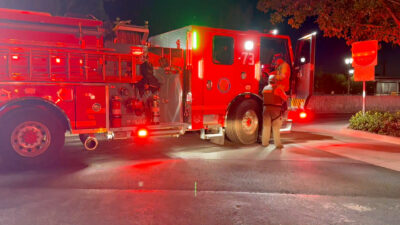
At first glance, fleet insurance coverage often appears to correspond to the risks vehicles face on the road. This is often because, from a legal standpoint, coverage requirements are met, limits appear adequate, and documentation is in order. In practice, however, many liability risks are not fully reflected in standard fleet insurance programs.
The issue is not the absence of insurance coverage, but that traditional approaches rely on average operating models, while real-world fleet operations are far more complex.
Operational Details That Translate into Large Claims
Operational activities beyond continuous driving are among the most commonly underestimated sources of liability exposure. These are loading maneuvers, idling on the side of the road, turning the vehicle in an area where the turning space is limited, or stopping for short periods of time in an area where visibility is restricted.
Standard insurance programs are often structured around driving-related incidents, while losses arising from operational maneuvers receive less attention in risk assessment. Damage to infrastructure, hitting parked cars, and injuries to pedestrians during maneuvers are situations that generate losses technically within the scope of liability but in practice are often disputed and expensive.
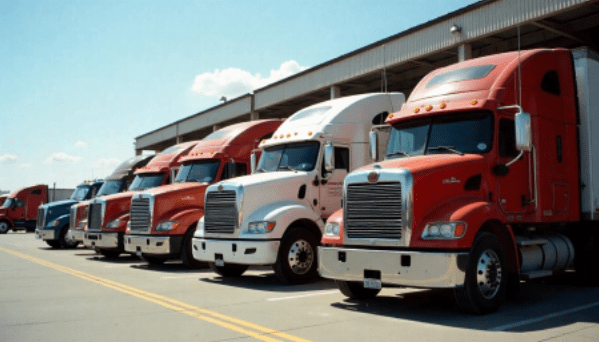
Why Standard Programs Don’t Address These Risks
The typical solutions offered by the insurance industry are statistical, not business-model-based. These models can be effective at a broad market level, but they do not always reflect the realities of day-to-day fleet operations. This creates a situation in which visible risk factors receive attention, while less obvious operational exposures remain underexamined.
This is why trucking companies re increasingly turning to models that base liability calculations on the actual operating profile. This shift can be seen in certain mutual insurance companies, including STAR Mutual RRG, where liability assessment places greater emphasis on actual operating conditions rather than formal classification alone.
The Human Factor After Authorization
A licensed and experienced driver does not automatically equate to manageable risk. Standard insurance programs may not fully account for variables such as fatigue, shift patterns, route complexity, and time pressures. As a result, the same driver may present materially different risk profiles depending on operating conditions.
This can be particularly noted in fleets that have flexible schedules or varying levels of workload. The effects of fatigue, night shifts, and route variations can lead to errors, thus resulting in claims for liability. Over time, these factors can contribute to higher loss severity and increased scrutiny of coverage terms.
Route Inconsistencies with the Announced Profile
Another often overlooked risk is the inaccuracy between the routes declared and the actual geography in which the business operates. A business may be insured for regional hauling but, in practice, operate in areas with high traffic density, complex infrastructure, or unique conditions.
This creates an implicit liability risk: when an incident occurs, insurers may examine not only the event itself but whether operations align with the declared risk profile. Even where no formal breach exists, this enhances the position of third parties in disputes over liability.
Risks Related to Interactions with Contractors
Most fleets operate a combination of operating modes whereby their own vehicles are complemented by leased vehicles or contracted drivers. Liability exposure in these arrangements is often treated broadly rather than being clearly delineated.
This is where there is a serious gap in liability that needs to be addressed. Ambiguous responsibility, varying safety regulations, and lack of centralized control create an environment where claims may still be directed toward the fleet, even when responsibility may ultimately lie with a contractor.
How the Method of Liability Is Changing
The contemporary market is slowly moving away from the concept of universal liability coverage. The details are becoming increasingly important: operating patterns, behavioral characteristics, interaction patterns with infrastructure and third-party entities. Trucking companies that account for these factors proactively are better positioned to develop more resilient insurance arrangements.
It’s not, however, about adding complexity for the sake of adding complexity. Rather, it involves more accurate and transparent risk reporting, which can reduce the likelihood of unexpected outcomes following an incident.
Conclusion
The risks that are underestimated in terms of liability are not very exotic situations but are instead an integral part of the operations that occur in the daily running of the fleet. The reason they occur is that generalizations are used in standard programs, but operations are not bound by them.
A clearer understanding of these risks allows fleets to better manage loss exposure and support greater stability in insurance coverage. This distinction ultimately defines the difference between formal coverage and insurance that meaningfully reflects operational reality.