Customers judge your brand the second the box lands on their doorstep. A beat-up shipper kills trust. A smart, good-looking box builds it. Whether you’re designing retail boxes, cannabis packaging, or eCommerce mailers, the right design reduces damage, cuts costs, and turns unboxing into free marketing on social media.
In 2025, shoppers expect eco-friendly materials (in fact, a recent study found 90 % of consumers are more likely to buy from a brand using sustainable packaging). They also want a premium feel without a premium price.
Good news, you can achieve all of this on a small budget with smart choices.
This guide breaks down box sizing, style, inserts, branding, and finishes. You will get practical tips, quick tests you can run, and ways to add polish without waste. Grab a tape measure, pick your priorities, and let’s design a box your customers love.
Start With Strategy: Box Size, Style, and Protection That Fit Your Product
Smart packaging starts with fit. When size, structure, and protection match your product, you pay less for shipping, avoid returns, and earn better reviews. You also make pack-outs faster and more consistent, which saves time in the warehouse.
Right-sizing matters because carriers charge by weight and size. That extra inch can bump you into a higher-dimensional weight tier. Use the smallest safe box that protects the item, plus a little room for inserts or void fill. Less air in the box means less crush risk and fewer surprises in transit.
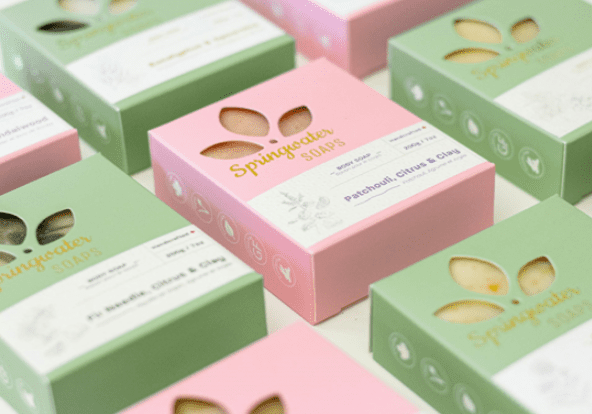
Pick a box style that supports both strength and unboxing. A sturdy mailer can feel premium while still keeping contents safe. A classic RSC shipper handles heavy goods at scale. Tubes and padded mailers have their place too. Let your product needs lead the choice, not the trend of the week.
Inserts make pack-outs repeatable and clean. Corrugated inserts, molded pulp, or simple folded kraft can hold items in place. Paper-based void fill is a budget win and friendly to recycle. Seal with strong tape, then add a tear strip or pull tab so customers avoid knives.
Before you roll out a new design, run quick tests. Pack three to five units and ship them to yourself, a teammate, and a friend in a different region. Add a basic drop test on several sides and corners. Take notes on scuffs, crush, and product movement. Fix what fails. Then scale.
Choose the Right Box Style for Strength and Unboxing
Different products need different box styles. Here is a quick guide.
| Box Style | Best For | Key Benefits |
| Tab-locking mailer | Most e-commerce products | Clean seal, tidy unboxing, solid stacking |
| Literature mailer | Flat kits, documents, sample sets | Organized layout, easy inserts |
| RSC shipper | Larger or heavier items | Strong, cost-effective for bulk |
| Mailing tube | Posters, prints, rolled goods | Prevents creases, compact form |
| Padded mailer | Soft, low-risk items | Lightweight, cheapest postage |
Hinged lids, like tab-locking mailers, create a premium reveal. Add die-cut windows for a peek at the product, or print on the interior for a surprise message. These small touches delight customers without a big spend.
Right-Size to Cut Shipping Costs and Damage
Measure the product’s length, width, and height. Add a small clearance, usually 0.25 to 0.5 inch, for wrappers or inserts. Choose the smallest safe box to avoid dimensional weight fees.
- Use paper-based void fill for light gaps.
- Build custom inserts for items with repeatable pack-outs.
- Watch common carrier size tiers to avoid costly bumps.
- Add easy-open features like tear strips to reduce knife use and cut damage.
A simple example: a 9 by 6 by 3 inch item should not ship in a 12 by 9 by 6 inch box. That extra space raises cost, invites crush, and wastes fill. Tighten the fit and save money.
Protect Fragile Items the Smart Way
Heavy or delicate products need more support, not more foam.
- Use a double-wall or a stronger flute for heavy goods.
- Add corner or edge guards to absorb hits.
- Use molded pulp or corrugated inserts to lock items in place.
- Seal with water-resistant tape if humidity is a risk.
- Run a basic drop test on several sides and corners. Use an ISTA 3A style drop as a guide.
- Labels like This Side Up help, but the box still needs to pass a drop test.
- Balance protection with sustainability. Pick recyclable materials where you can.
Pro tip: pack a spare part or small thank-you card under the insert. It reduces movement and adds a positive surprise.