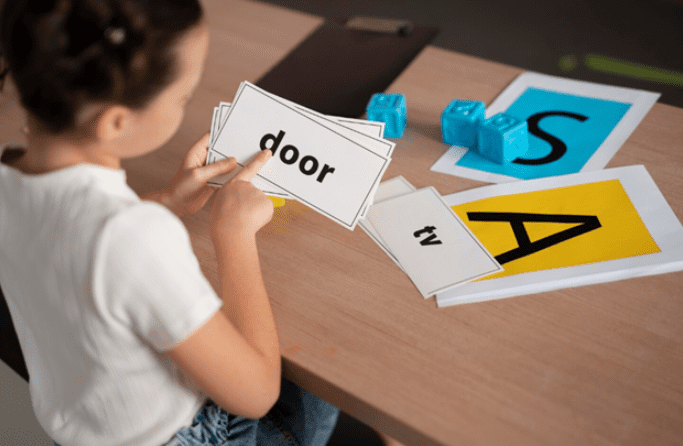
The classroom at the Defense Language Institute smelled faintly of coffee and paper. Students shuffled in, some scrolling through notes, others whispering to themselves about tricky grammar exercises. One student stared at an alcpt practice sheet and muttered, “Why does this make sense one minute and disappear the next?” Sound familiar? That feeling is part of learning a language—it’s messy, human, and sometimes funny.
Grammar, vocabulary, listening, and reading comprehension all intertwine. The secret? Tiny, practical tricks that make them stick. Stories, jokes, and real-life examples often work better than memorizing rules.
Grammar Becomes Real With Stories
Rules are easier to remember when they’re part of a story.
- Read short articles or stories that actually interest you.
- Listen to short dialogues, announcements, or podcasts.
- Summarize what you hear or read in your own words.
A student struggled with past tense until an instructor told a story about spilling coffee in the cafeteria. Suddenly, “He spilled the coffee and ran to clean it up” made perfect sense. Context turns rules into something you can picture.
Vocabulary That Sticks
Learning new words can feel endless. A few tricks help:
- Group words by theme: food, base routines, daily activities.
- Make silly sentences—humor makes memory stronger.
- Use new words across listening, reading, and writing exercises.
One student kept mixing up “march” and “machete” until they imagined: “The soldier marched holding a machete.” They laughed, and the words stuck. Stories like this make vocabulary come alive.
Listening: Focus, Don’t Just Hear
Listening isn’t passive—it’s noticing.
- Pay attention to keywords, not every word.
- Guess meaning from context.
- Replay clips and summarize them.
A student misheard “duct” as “duck” in a recording. They laughed and focused harder next time. Active listening is about attention, not perfection.
Reading Comprehension: Engage
Reading is easier when you ask questions:
- Ask “who, what, where, why” while reading.
- Summarize paragraphs in your own words.
- Mark confusing sentences and revisit them later.
One student annotated a memo: “Lunch, not duty hours.” That tiny step made everything clear. Small human touches like this reinforce comprehension.
Grammar Practice Made Human
Grammar is easier when it’s practical and story-based:
- Write mini-dialogues and read them aloud.
- Spot mistakes in sample sentences and fix them.
- Swap sentences with classmates for feedback.
- Keep a short daily journal about meals, classes, or routines.
One student wrote, “Yesterday I goed to the cafeteria.” Everyone laughed, corrected it, and remembered the rule. Mistakes and laughter help grammar stick better than drills.
Mix Skills for Better Learning
Grammar, vocabulary, listening, and reading comprehension improve faster together:
- Listen to a story while following a transcript.
- Write new words in sample sentences.
- Discuss the story with a classmate using proper grammar.
A student summarized a story about a supply drop. They listened, wrote a paragraph, and corrected it with a friend. Suddenly, grammar felt like a tool, not rules.
Celebrate Small Wins
Language learning takes time. Celebrate little victories:
- Using a new verb tense correctly.
- Recognizing a word in listening exercises.
- Writing a paragraph with fewer errors.
A teacher shared a story: one student went from barely understanding a 30-second clip to narrating it perfectly. Tiny wins build confidence and motivation.
Practice Over Perfection
Short, consistent practice beats cramming. Alcpt exercises help, but the goal is habits, not perfection:
- Mix reading, writing, listening, and speaking.
- Review mistakes instead of ignoring them.
- Focus on small steps.
Over time, grammar and vocabulary stop feeling like chores. They become tools you can use naturally.
Real-Life Stories Stick
- Listening to daily news clips helped a student notice grammar patterns.
- Journaling about routines reinforced vocabulary.
- Peer correction sessions included laughter, which helped memory.
Language learning is messy, unpredictable, and human. That’s why these tips work.
Wrap-Up
Grammar, vocabulary, listening, and reading comprehension don’t need to feel impossible. Real-life context, small wins, humor, and integrated practice make it human—and enjoyable.
With alcpt exercises, consistent practice, and stories, mistakes become part of learning. Every laugh, small success, or “oops” moment counts. Language is human. Learning it should feel human too.