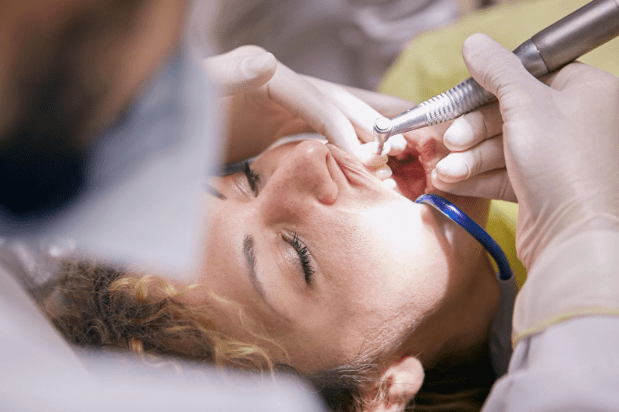
In Pensacola, understanding the types of dental bridges is essential for addressing your specific dental needs. Traditional bridges are most common, using crowns on adjacent teeth for durability. Cantilever bridges suit areas with support on just one side, while Maryland bonded bridges offer minimal tooth alteration. For enhanced stability, implant-supported bridges provide lasting functionality. Each type serves distinct purposes, tailored to your dental anatomy. Curious about how these options impact your smile?
Understanding Dental Bridges
When considering restorative dental options, understanding dental bridges is vital for making informed decisions about oral health. Dental bridges serve as an important solution for replacing missing teeth, thereby maintaining the structure and function of your mouth. Various dental bridge types are available, each tailored to specific bridge use cases. These include cantilever bridges, typically used when only one adjacent tooth is available for support, and Maryland bridges, which employ a metal or porcelain framework bonded to neighboring teeth. Consulting a trusted dental bridge dentist in Pensacola can help ensure the most appropriate bridge type is selected based on your unique dental anatomy and needs, ultimately supporting both functional and aesthetic outcomes for your oral health.
Traditional Dental Bridges
When considering traditional dental bridges, you’ll find they are engineered with a pontic (false tooth) anchored by crowns on adjacent natural teeth, known as abutment teeth. Typically made from durable materials such as porcelain fused to metal or ceramics, these bridges are designed to withstand significant masticatory forces. Understanding their structure and material composition is essential for evaluating their longevity and effectiveness in restoring both function and aesthetics.
Structure and Functionality
While you might be familiar with traditional dental bridges as a solution for missing teeth, it is crucial to explore their structure and functionality to fully appreciate their role in restorative dentistry. A traditional dental bridge consists of a pontic, or false tooth, flanked by dental crowns affixed to the adjacent natural teeth, known as abutment teeth. This configuration guarantees both functional integrity and ideal bridge aesthetics, as the bridge seamlessly blends with your natural dentition. The fixed nature of traditional bridges offers superior bridge longevity, providing a stable and durable solution for tooth loss. By evenly distributing bite forces across the bridge, it prevents undue stress on the remaining teeth and maintains proper dental arch alignment, preserving your oral health.
Materials and Durability
Understanding the materials used in traditional dental bridges is vital for appreciating their durability and effectiveness. Primarily, these bridges are constructed from porcelain fused to metal (PFM) and ceramic. PFM combines the strength of a metal substructure with the aesthetic appeal of porcelain. This composition guarantees robust support while providing a natural appearance. Ceramic bridges, although slightly less robust than PFM, offer superior aesthetics by mimicking the translucency of natural teeth.
It’s important to take into account bridge materials when evaluating longevity expectations. PFM bridges typically last 10-15 years with proper care, while ceramics may require more frequent replacement due to potential chipping. Your choice of material impacts not only the bridge’s lifespan but also its resistance to wear, maintaining a balance between durability and visual appeal.
Cantilever Dental Bridges
When considering a cantilever dental bridge, you’ll find it’s specifically designed with a single-sided support structure. This type of bridge is particularly advantageous in situations where adjacent teeth are only available on one side of the gap, making it ideal for limited teeth scenarios. By anchoring to one or more teeth on just one side, cantilever bridges offer a practical solution for restoring function and aesthetics.
Single-Sided Support Structure
Cantilever dental bridges, characterized by their single-sided support structure, offer a specialized solution for specific dental situations. This design is particularly advantageous when you’re dealing with areas where only one adjacent tooth is available to support the bridge. The single-sided advantages of cantilever applications are evident when traditional fixed bridges aren’t feasible, due to limited anchoring teeth. You should consider this option for replacing a missing tooth in less stressed areas, like the front of the mouth, where aesthetic concerns are paramount. It’s essential for the supporting tooth to be strong enough to bear the load, as this design places additional stress on the anchor tooth. Your dentist will evaluate the condition of the supporting tooth to guarantee long-term success.
Ideal for Limited Teeth
In situations where only one tooth is available to support a dental bridge, cantilever bridges emerge as an ideal solution. These bridges are perfect for cases where traditional bridges aren’t feasible due to limited options. If you’re considering a cantilever bridge, it’s essential to understand the specifics:
- Ideal candidates: Patients with a single adjacent tooth available for anchoring.
- Support mechanism: Relies on one or more crowns on one side.
- Material composition: Typically constructed from porcelain fused to metal or ceramics for strength.
- Functional limitations: Best suited for areas with minimal bite force, like front teeth.
- Durability: Requires regular dental check-ups to maintain longevity and functionality.
Cantilever bridges offer a reliable solution when options are limited, guaranteeing functionality and aesthetics.
Maryland Bonded Bridges
While dental bridges come in various forms, Maryland bonded bridges offer a unique solution for replacing missing teeth with minimal intervention. These bridges utilize a metal or porcelain framework bonded to the back of your adjacent teeth, thereby avoiding the need for extensive tooth preparation. Maryland bridges are advantageous due to their conservative nature, preserving more of your natural tooth structure compared to traditional bridgework. They’re also typically more cost-effective and quicker to apply.
However, there are disadvantages. Maryland bridges may not be suitable for replacing molars because the bonding might not withstand the significant biting forces. Additionally, they can sometimes cause discoloration of the supporting teeth where the metal wings are attached. Proper evaluation by your dentist will determine their suitability for your specific situation.
Implant-Supported Bridges
For those seeking a more robust solution than Maryland bonded bridges, implant-supported bridges offer a compelling alternative. These bridges are anchored by dental implants, providing superior stability and bridge longevity. Here’s what you need to know:
- Implant Types: Titanium and zirconia implants are commonly used, each offering distinct benefits.
- Stability: They prevent bone loss and maintain jaw integrity, unlike traditional bridges.
- Durability: With proper care, they can last several decades, greatly extending bridge longevity.
- Aesthetic Appeal: Customized to match your natural teeth, guaranteeing seamless integration.
- Functionality: They restore full chewing ability, allowing you to enjoy your favorite foods without discomfort.
Choosing implant-supported bridges involves understanding these technical nuances to guarantee ideal outcomes for dental restoration.
Benefits of Dental Bridges
Dental bridges, a pivotal solution in restorative dentistry, offer numerous advantages that enhance both oral functionality and aesthetics. By filling the gap left by missing teeth, they restore your ability to chew and speak properly, maintaining the alignment of your remaining teeth. From a cost considerations perspective, dental bridges generally present a more affordable alternative to implants, making them accessible for many seeking restorative dental care. Additionally, they provide long term benefits by distributing the bite force evenly, which helps in maintaining the structural integrity of your jawbone and preventing further dental complications. Their durability and adaptability make them a reliable choice, ensuring that your investment results in sustained oral health and improved quality of life.
Choosing the Right Bridge for You
Understanding the numerous benefits of dental bridges naturally leads to the significant decision of selecting the right type for your specific needs. During a bridge consultation, evaluating patient preferences and oral health conditions is vital. Consider these factors:
- Type of Bridge: Traditional, cantilever, Maryland, or implant-supported.
- Material: Porcelain, ceramic, or metal, each offering distinct durability and aesthetic qualities.
- Oral Health: Assess gum health and bone density to guarantee suitability.
- Budget: Determine insurance coverage and out-of-pocket costs.
- Long-term Goals: Consider maintenance requirements and longevity.
Each option offers unique advantages, making it imperative to align your choice with your dental and lifestyle requirements. Consulting with a dental professional will facilitate an informed decision, ensuring your bridge harmonizes with your individual needs.
The Process of Getting a Dental Bridge
To begin the process of getting a dental bridge, your dentist will conduct a thorough initial consultation to assess your oral health and discuss the most suitable bridge options for your specific needs. During the bridge preparation process, your adjacent teeth will be carefully reshaped to accommodate the bridge and precise impressions will be taken to guarantee a perfect fit. Finally, the custom-made bridge is meticulously placed and adjusted to achieve ideal functionality and comfort in your bite.
Initial Consultation Steps
When commencing on the journey to obtain a dental bridge, you’ll first undergo a thorough initial consultation, which is essential for determining your suitability for the procedure. This vital step involves an extensive patient assessment to evaluate your oral health status and identify any underlying issues. The dentist will meticulously examine your teeth, gums, and jawbone structure. Here’s what to expect during this process:
- Medical History Review: Discuss your dental and medical history to identify potential complications.
- Oral Examination: A detailed inspection of your oral cavity to assess the condition of existing teeth and gums.
- Imaging Tests: X-rays or digital scans to analyze the bone density and detect any hidden issues.
- Treatment Discussion: Explanation of various bridge options and their suitability.
- Financial Consultation: An overview of costs and insurance coverage.
Bridge Preparation Process
Initiating the bridge preparation process involves several precise steps critical to guaranteeing a successful outcome. Your dentist will begin with a thorough dental assessment to evaluate the health of adjacent teeth, gums, and underlying bone structure. This step is essential in determining the appropriate type of bridge for your needs. Next, the teeth that will support the bridge are meticulously shaped. This involves reducing the size of these teeth to accommodate the crowns that will be placed over them. During this stage, precise measurements and molds are taken to guarantee the bridge fits seamlessly with your existing dentition. Temporary crowns are then placed to protect the prepared teeth while your permanent bridge is custom-fabricated in a dental laboratory.
Final Bridge Placement
With the preparation phase complete, your dentist will proceed to the final bridge placement, making sure each step aligns with the meticulous groundwork already laid. First, they’ll verify the bridge alignment, confirming the fit is perfect and it integrates seamlessly with adjacent teeth. Any necessary final adjustments will be made to guarantee maximum comfort and functionality. During this stage:
- Check occlusion: Confirm your bite is natural and even.
- Bridge fit verification: Validate the bridge seats precisely on the abutment teeth.
- Aesthetic assessment: Evaluate the color and shape match with surrounding teeth.
- Cementation: Use dental cement to secure the bridge permanently.
- Post-placement guidance: Provide instructions for care and maintenance.
These steps assure that your dental bridge not only restores function but also enhances your smile’s appearance.
Caring for Your Dental Bridge
Although maintaining the integrity of your dental bridge is vital for its longevity, proper care doesn’t need to be overly complicated. Adhering to expert bridge maintenance tips guarantees your dental bridge remains functional and aesthetically pleasing. Daily oral hygiene is imperative—brush twice and floss once daily using a soft-bristled toothbrush and non-abrasive toothpaste. Employ special dental floss or interdental brushes designed for bridge cleaning to remove plaque accumulation beneath your bridge.
Additionally, integrate antibacterial mouthwash into your regimen to reduce bacteria and prevent gum disease. Regular dental check-ups every six months allow for professional cleanings and early detection of potential issues. Avoid hard or sticky foods that can damage the bridge. Adhering to these practices assures the best performance of your dental bridge.
Finding a Qualified Dentist in Pensacola
How do you guarantee you’re choosing a qualified dentist in Pensacola for your dental bridge needs? Start by evaluating their dental credentials to confirm they meet professional standards. A thorough examination of these credentials will affirm their expertise in restorative dentistry. Here’s a detailed approach to guide your decision:
- Dentist Reviews: Scrutinize online reviews to gauge patient satisfaction and service quality.
- Professional Affiliations: Check for memberships in esteemed dental associations.
- Experience Level: Verify their years of practice, specifically in dental bridge procedures.
- Office Technology: Confirm the dental practice uses advanced equipment for accurate results.
- Consultation Services: Opt for dentists offering extensive initial consultations to discuss your needs.
Frequently Asked Questions
Are There Any Risks Associated With Dental Bridges?
Yes, there are risks. Bridge complications include gum irritation and decay under the bridge. Proper bridge maintenance, like regular flossing and check-ups, is essential to avoid long-term issues and guarantee its longevity. Consult your dentist for personalized advice.
How Much Does a Dental Bridge Typically Cost in Pensacola?
In Pensacola, dental bridges typically cost between $1,500 to $5,000 per tooth. Your dental insurance might cover part of the expense. Many practices offer payment plans to help manage costs, ensuring affordability for various budgets.
Can I Eat Normally With a Dental Bridge?
Yes, you can eat normally with a dental bridge after initial adjustments. Your eating habits may require slight modifications initially, but once the bridge settles, it provides stability, allowing you to consume most foods comfortably.
What Materials Are Commonly Used in Dental Bridges?
You’ll find that dental bridges commonly use ceramic and metal materials. Ceramic bridges offer a natural look, matching tooth color, while metal bridges, often made of alloys, provide strength and durability for long-lasting support.
How Long Do Dental Bridges Usually Last?
Dental bridges usually last 5-15 years, depending on your oral hygiene and care. For maximizing your dental bridge lifespan, follow bridge maintenance tips such as regular dental check-ups, proper cleaning, and avoiding hard or sticky foods.