As 2026 approaches, U.S. international education is entering a period of adjustment rather than disruption. After years of pandemic recovery, visa backlogs, political debates, and rapid technological change, the system is stabilizing – but also evolving. For current and prospective college students, especially international students, understanding what’s ahead is essential for making smart academic and financial decisions. This article breaks down the key trends shaping education in the United States in 2026 and explains what they mean in practice.
1. International Student Enrollment: Slow Growth, Better Support
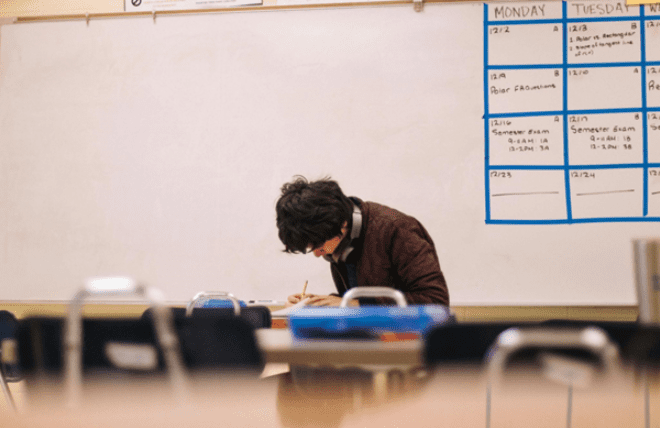
International student enrollment in 2026 is expected to grow slowly, but universities are clearly focusing more on support rather than just numbers. While campuses are becoming more welcoming, the financial pressure on young people is increasing. Scholarships and grants for international students are more competitive than ever, and for many programs, it is simply not easy to secure funding. As a result, learners often start to panic, especially during their first and second years, when academic performance directly affects their chances of renewing scholarships or qualifying for new ones. In 2026, having “good grades” is no longer enough – they are expected to maintain excellent GPAs, actively participate in classes, and submit high-quality written assignments that meet strict academic standards. For international trainees who are still adapting to U.S. academic writing rules, this can be overwhelming. Language barriers and unfamiliar expectations around structure and citations add extra stress. Because of this, more learners prefer to pay for professional research paper help online. This support can be especially valuable during midterms or finals, when multiple deadlines collide. In a climate where scholarships are limited and academic pressure is high, maintaining strong grades becomes a survival strategy. For many international students in 2026, seeking qualified online help is not about avoiding work – it is about staying enrolled, protecting their academic future, and making the most of their U.S. education.
2. Visa Policies and the Role of the Department of Education
While visas are managed primarily by the Department of State and DHS, the Department of Education plays a growing indirect role by influencing funding, reporting standards, and institutional accountability. In 2026, we can expect tighter oversight of colleges that enroll large numbers of international students, especially private institutions and lesser-known programs.
For students, this is mostly good news. Increased oversight reduces the risk of enrolling in low-quality or predatory schools. However, it also means you must be more careful with documentation, attendance, and academic progress. Maintaining full-time status and good academic standing will remain critical for visa compliance.
3. More Flexible Educational Programs
One of the biggest shifts by 2026 is the redesign of educational programs. Traditional four-year degrees are no longer the only “safe” path. Universities are expanding:
- Accelerated bachelor’s programs
- Combined bachelor’s + master’s degrees
- Stackable certificates linked to degree programs
- Hybrid and low-residency options
For international students, this flexibility is especially valuable. Shorter programs can reduce overall tuition costs, while hybrid formats allow limited remote learning without violating visa rules (when structured correctly). Still, not all programs qualify for student visas, so always confirm eligibility before enrolling.
4. How College Workloads and Teaching Are Changing
If you’re wondering how does college work academically in 2026, expect a heavier emphasis on applied learning. Professors are assigning fewer rote exams and more projects, group work, and research-based assignments. This is good preparation for U.S. workplaces, but it can be challenging if academic writing in English is not your strength.
As a result, demand for tutoring, writing centers, and even external research paper writing help services continues to grow. While universities encourage using internal resources first, many students turn to professional support to manage deadlines and improve quality – especially during midterms and finals.
5. Technology, AI, and Academic Integrity
AI is no longer new in 2026 – it’s regulated. Most colleges now have clear policies on acceptable AI use. Tools can help with brainstorming or outlining, but submitting AI-generated content as your own is usually a violation.
International students should pay special attention here. Cultural differences in citation and collaboration can lead to accidental plagiarism. Universities are responding by offering clearer guidelines and mandatory training during the first year. Understanding these rules early can save you from serious academic penalties.
6. Costs, Financial Aid, and ROI
Tuition in the U.S. continues to rise, but more slowly than in previous years. Public universities remain the most affordable option, though they offer fewer scholarships for international students. Private colleges, on the other hand, are increasing merit-based aid to attract global talent.
In 2026, students are thinking more about return on investment (ROI). Majors linked to STEM, healthcare, data, business analytics, and sustainability offer stronger job outcomes. Universities are responding by aligning curricula more closely with labor market needs, often in partnership with employers.
7. Career Pathways After Graduation
Career outcomes are a top concern for international students, and 2026 brings cautious optimism. OPT and STEM OPT remain key pathways to U.S. work experience. Colleges are expanding career services specifically designed for international students, including:
- CPT/OPT workshops
- Resume and interview coaching
- Employer networking events
Understanding employment rules is now considered a core part of learning how does college work in the U.S., not an afterthought.
8. What Students Should Do Now
To prepare for 2026, students should:
- Research institutions carefully and verify accreditation
- Choose educational programs with clear career outcomes
- Learn U.S. academic expectations early
- Use campus support services proactively
- Plan finances realistically, including hidden costs
Final Thoughts
In 2026, education in the United States remains one of the most powerful opportunities for global students – but success requires preparation. The system is becoming more transparent, flexible, and student-focused, yet also more demanding. By understanding policies shaped by the Department of Education, choosing the right educational programs, and actively engaging with campus resources, international students can turn their U.S. college experience into a strong foundation for a global career.