Marin Trunkey wanted to take a break from school after double majoring in anthropology and classics at the University of Hawaii at Manoa following her graduation.
But she never expected that break would test her resilience and teach her that life is all about perspective.
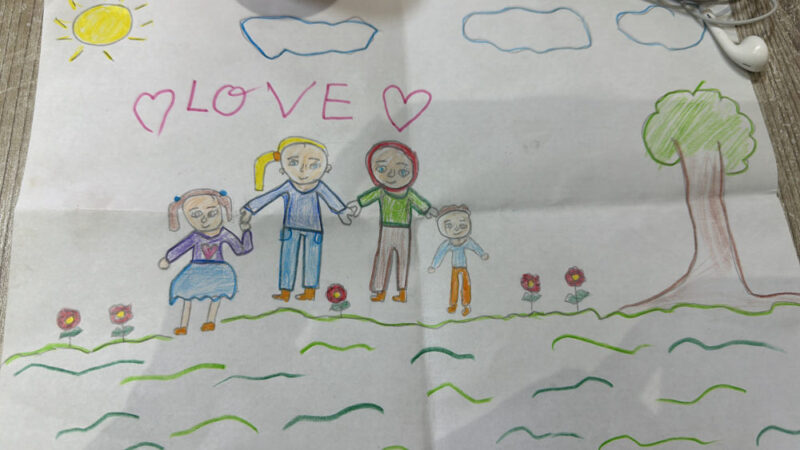
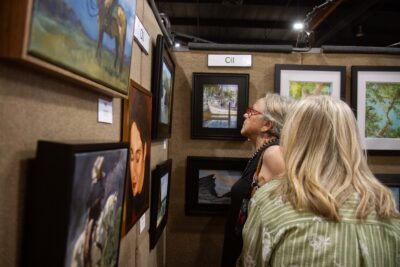
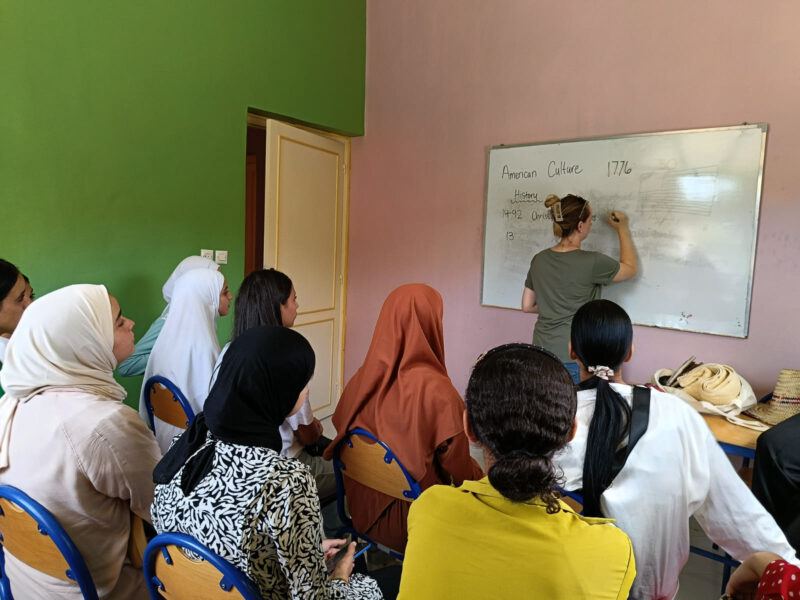
Trunkey, a local resident and Saugus High School alumnus, traveled to the nation of Morocco as a Peace Corps volunteer and completed 27 months of youth development work in a rural town’s youth house. She taught art classes and computer skills, and helped people build resumes.
The experience “made me grateful for the things I have here,” Trunkey said during a recent afternoon. “I would go to work every day, and these kids had no running water, some of them didn’t have electricity. They got new clothes maybe once a year.”
But even with economic challenges “these kids were so fulfilled and happy, like a bright light,” she added. The experience gave her the chance to connect with people from all walks of life and gave her a better understanding of why many migrate to the United States.
“We have a lot of immigrants in the community who are from underprivileged countries, and I bring it up and we talk about these mutual experiences. It really has brought me closer to people in a lot of ways,” Trunkey said.
Teaching and connecting with children came with its challenges, and Trunkey had to actively practice a version of Arabic language called Darija because they were ruthless, she said with a chuckle.Trunkey doesn’t consider herself a good language learner and it made it difficult.
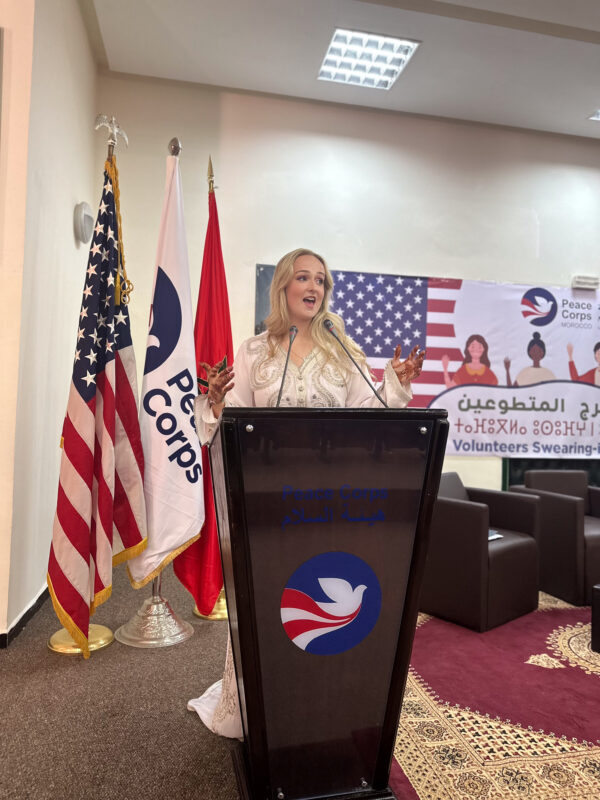
Before immersing herself into the everyday lives of local residents, Trunkey had to complete an eight-week intensive language training to ensure she could communicate with the community she was set to work closely with.
During the first two months of service, Trunkey lived with a host family who didn’t speak English.
“You’re learning all day, you go home and you don’t get a break. You have to practice it and you’re playing charades,” Trunkey said, giggling. Due to cultural differences, the food usually makes volunteers sick the first few weeks as well, she added, but they eventually adapt.
The Peace Corps is always seeking volunteers, but with the application process being so extensive, many who are interested usually back out, she said. The ones who do get selected to travel overseas don’t always finish the full term.
Some volunteers only last a year, and sometimes just six months, she said, which fueled her ideas of coming home early at times.
But even while waking up at a certain hour every day to fill up a bucket of water for her showers, cooking and chores, Trunkey never let her mind, friends or family convince her to come home early.
There was a time when Trunkey was “so sick, exhausted and tired. I remember crying and calling my mom. I [told her], ‘I need you, but you can’t tell me to come home,’” she said.
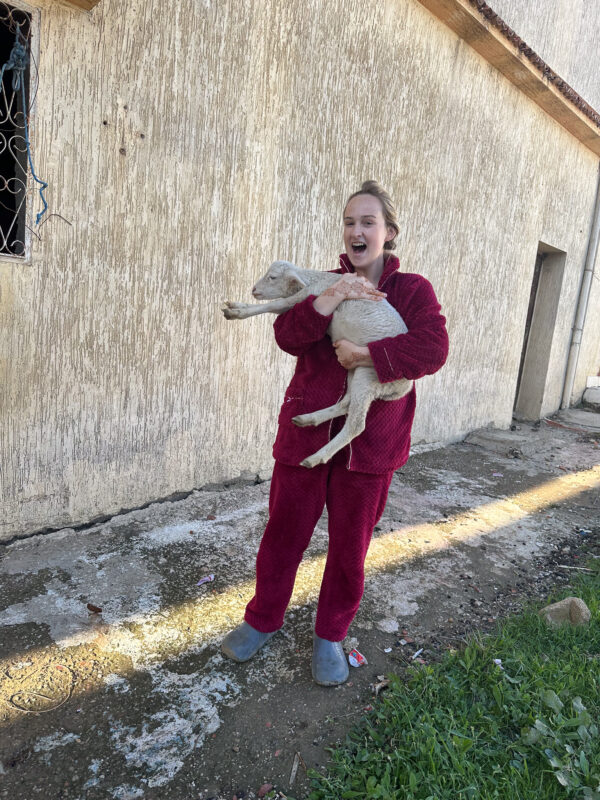
“I was like, ‘I need to vent to you and you just tell me it’s OK. I need you to be there for me and say, “Stay and stick through it,”’” she added.
Morocco’s culture has different views on women and their rights, which didn’t allow Trunkey to have a certain level of anonymity that she’s used to back home, and it was a challenge, she said.
But part of the Peace Corps experience is cultural integration, and Trunkey embraced the chance to learn more about the Muslim religion, Moroccan dances and traditional foods.
She wasn’t allowed to enter a mosque because she wasn’t Muslim herself, but Trunkey participated in religious practices such as Ramadan out of respect and to gain a better understanding.
She attended many weddings in her town, which is considered a big event for the entire community, and engaged in a lot of Moroccan dancing.
“I’m not particularly a good dancer, so I think they were less impressed with my skills, but we did have a good time, and I think they enjoyed teaching me some of their moves,” Trunkey said. She was also introduced to a traditional chicken dish usually reserved for special occasions, and dreams about it to this day, she added.
To learn more about Moroccan everyday life, Trunkey spent a lot of lunches and dinners eating with local families and followed certain rules required at the dinner table.
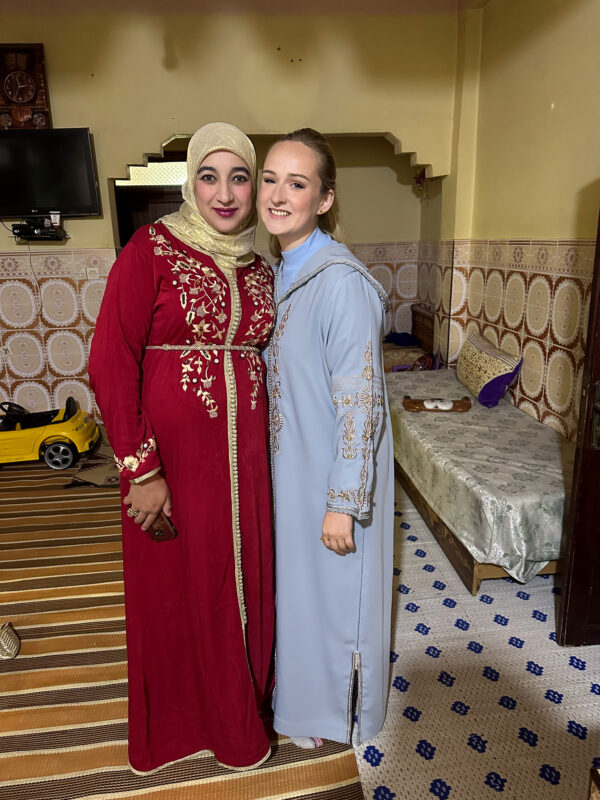
Eating with your left hand was considered rude, and although Trunkey isn’t left-handed herself, she realized that she ate with it pretty frequently, she said. To get accustomed to the culture she would sit on her hand and eat with her right.
Food was always prepared with intention, and the matriarch of the household would eat the meat first before anyone else, Trunkey said, describing the tradition as “a really beautiful thing.” She added that the experience has made her more mindful and respectful of the dinner table when eating at home.
Trunkey described the 27-month commitment as “really freaking hard,” she said, laughing, because of the language barriers and not having family support nearby.
“I’m happy that it was. It really did teach me so much about myself and how resilient I can be. It got me comfortable with the uncomfortable … It was something I needed at that point in my life,” she said.
Trunkey, who is now back home, brought back four cats she saved off the Moroccan streets and is now focused on searching for a master’s program. But her biggest hope is that the local youth in Morocco learned as much from her as she did from them.