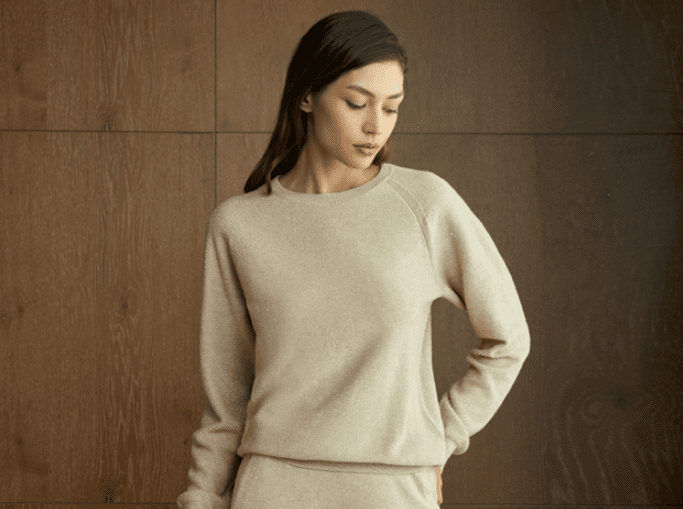
Neutral tones have long occupied a steady place in everyday wardrobes, but their dominance in family style has become more pronounced in recent years. Rather than cycling in and out of favour, colours such as beige, cream, soft grey, and muted earth tones have settled into a kind of visual baseline. They appear consistently across clothing, interiors, and personal accessories, shaping how families dress for daily life rather than for specific occasions.
This persistence reflects more than aesthetic preference. Neutral palettes align closely with how people live, move, and make decisions in environments defined by routine, shared spaces, and long-term use. Items chosen for everyday wear are expected to adapt across contexts and time. In that sense, pieces like those from Alexis Russell sit comfortably within a broader cultural emphasis on longevity and subtlety, where design choices are meant to hold meaning without demanding constant attention.
Neutral tones do not dominate because they are safe, but because they are functional in ways that extend beyond appearance.
Versatility as a Practical Requirement
One of the primary reasons neutral tones remain central to family style is their versatility. Everyday clothing must work across school runs, workdays, social commitments, and home life without requiring constant reassessment. Colours that integrate easily across outfits reduce friction, especially in households where time and mental bandwidth are limited.
In menswear, this practicality is especially visible. Garments built around muted palettes transition smoothly between settings, supporting repeat wear rather than single-use styling. Accessories often follow the same logic. Even statement pieces can serve a practical role when they are thoughtfully chosen. Items like Versace Watches, for instance, are frequently selected not only for their design but for their ability to pair easily with both casual and formal looks. When an accessory works across contexts, it becomes part of a daily uniform rather than a special-occasion item.
This usefulness lies in adaptability rather than attention. Pieces that integrate seamlessly into multiple outfits reduce the need for constant decision-making.
This adaptability matters in shared wardrobes and family environments, where clothing choices are often shaped by coordination rather than individual display. Neutral tones and versatile accessories make that coordination intuitive, allowing style to support daily life instead of complicating it.
Familiarity and Visual Calm
Neutral colours also contribute to a sense of visual calm, which has become increasingly valued in everyday settings. In busy households, overstimulation is common. Clothing that feels visually quiet can help reduce that background noise, allowing focus to remain on activity rather than appearance.
This preference aligns with broader design trends that favour muted environments over high-contrast ones. The same logic applies to clothing. Soft, consistent tones create continuity from one day to the next, reinforcing a feeling of stability.
Psychological research discussed by the American Psychological Association has shown that environments with lower visual contrast are often associated with reduced cognitive load and improved comfort. While this research is typically applied to interior design or workspace planning, the principle translates naturally to clothing choices made for daily life.
Longevity Over Novelty
Another factor supporting the dominance of neutral tones is their relationship with longevity. Families tend to prioritise clothing that remains relevant over time, especially when garments are expected to be worn frequently or passed down. Strong seasonal colours or bold patterns can date quickly, while neutrals age more quietly.
This longevity affects purchasing behaviour. When items are chosen with extended use in mind, neutrality becomes a form of risk reduction. The garment is less likely to feel out of place months or years later, even as trends shift.
The same principle applies across lifestyle categories. Objects intended for long-term presence benefit from restraint in colour and design. Neutral tones allow materials, craftsmanship, and form to carry meaning without being overshadowed by visual statements that may lose relevance.
Shared Aesthetics Within Families
Family style is rarely about individual expression alone. It is shaped by shared spaces, shared routines, and practical compromise. Neutral tones function well within this collective context because they accommodate variation without clashing.
Children’s clothing, adult wardrobes, and outerwear often coexist in close proximity. A restrained palette allows these elements to sit together comfortably, whether stored, worn, or photographed. This is particularly relevant in an era where everyday life is frequently documented, even casually.
Neutral tones provide a visual continuity that feels unforced. They allow families to present a cohesive appearance without deliberate coordination, which reduces the effort required to maintain a sense of order.
Material-Centred Design
Muted colour palettes also draw attention to material quality. When colour recedes, texture and construction become more noticeable. Knit density, fibre choice, and finish take precedence over surface impact.
This shift aligns with growing consumer interest in how garments are made and how they behave over time. Neutrals highlight wear patterns, drape, and comfort rather than masking them. For everyday clothing, this transparency is often valued.
Research from the Organisation for Economic Co-operation and Development has noted that consumers increasingly associate durability and material integrity with long-term value, particularly in apparel and household goods. Neutral tones support this perception by allowing material characteristics to remain visible throughout use.
Resistance to Trend Saturation

The persistence of neutral tones can also be understood as a response to trend saturation. With constant exposure to rapidly changing aesthetics online, many people gravitate toward choices that feel stable rather than reactive.
Neutral clothing resists the pressure to update. It does not demand replacement when visual trends shift, which aligns with a broader cultural move toward moderation and sustainability. Families, in particular, benefit from this resistance, as it reduces both financial and cognitive strain.
Instead of participating fully in rapid cycles of change, neutral palettes allow households to opt into a slower rhythm of consumption.
Everyday Style as Infrastructure
When viewed collectively, these factors suggest that neutral tones function as infrastructure rather than ornamentation in everyday family style. They support daily life quietly, without requiring attention or explanation.
This infrastructural role explains why neutral palettes persist even as fashion trends fluctuate. They are not competing with seasonal statements; they operate on a different level altogether. Their value lies in reliability.
By meeting practical needs while maintaining aesthetic coherence, neutral tones remain embedded in daily routines. They do not announce themselves, but they endure.
Why Neutral Tones Are Unlikely to Fade
As lifestyles continue to prioritise adaptability, shared use, and long-term thinking, the conditions that favour neutral tones remain firmly in place. These colours align with how families organise their lives, not just how they present themselves.
Neutral palettes offer flexibility without excess, calm without uniformity, and continuity without stagnation. They allow clothing to function as part of a system rather than as isolated statements.
In that sense, their dominance is less a trend than a reflection of enduring needs. Neutral tones persist because they solve problems quietly, and in everyday family style, that quiet effectiveness is often what matters most.