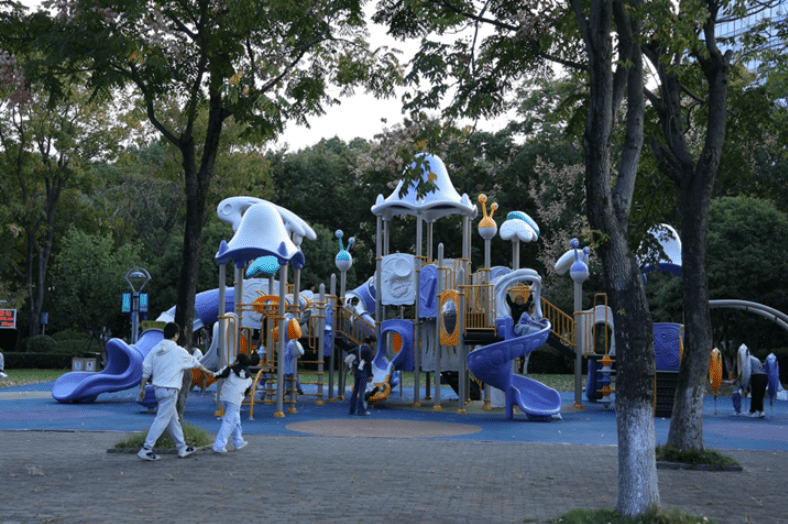
Childhood looks different today than it did even a decade ago. Many parents notice it: busier schedules, more digital distractions, and less unstructured outdoor time. While technology brings benefits, it has also changed how children play. As a result, many families are becoming more intentional about creating environments that encourage movement, imagination, and social interaction.
This renewed focus on play often starts at home. Parents explore ways to design spaces where kids can be active and creative, from backyard setups to dedicated playrooms. Some even browse specialty retailers like Swing Set Mall when looking for equipment that turns ordinary yards into inviting play areas. The growing interest in these spaces reflects a larger shift, families are recognizing that play is not just fun, but foundational for development.
Play, in many ways, is a child’s natural way of learning.
Play as a Tool for Learning
Children don’t separate play from learning; for them, they are the same. When kids climb, build, pretend, or explore, they are developing coordination, problem-solving skills, and confidence. Play also helps children process emotions and practice social interaction.
Imaginative toys play a surprisingly large role here. Soft toys, for example, often become characters in stories children create. Many parents notice that certain plush toys quickly become favorites because they feel comforting and familiar. Collections like Jellycat Dogs are popular among families who want toys that encourage gentle, imaginative play. A simple stuffed animal can become a companion, a student in a pretend classroom, or a patient at a make-believe vet clinic.
Through these small scenarios, children learn empathy, communication, and storytelling.
The Outdoor Advantage
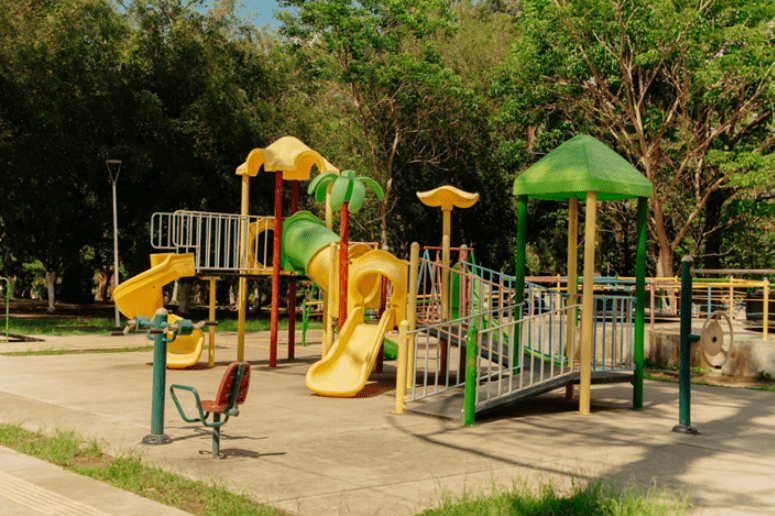
Outdoor play offers benefits that indoor play sometimes cannot. Running, climbing, and balancing strengthen muscles and coordination. Exposure to nature has also been linked to improved mood and attention in children.
Local parks and playgrounds play an important role in communities like Santa Clarita. They provide shared spaces where children can interact and parents can connect. However, having access to safe play options at home also matters, especially for families with tight schedules.
Backyard play doesn’t need to be elaborate. Even simple setups can inspire hours of activity. The key is creating an environment where children feel free to explore.
Reducing Screen Dependence
Many parents worry about screen time. Devices are part of modern life, but too much passive entertainment can crowd out physical and creative activities. The American Academy of Pediatrics has often emphasized the importance of balancing digital media with active, unstructured play.
Interestingly, when engaging play options are available, children often choose them willingly. A swing, a fort, or a set of pretend toys can be more exciting than a tablet when imagination takes over.
The goal isn’t to eliminate technology, but to make sure it doesn’t replace real-world experiences.
Social Skills Start in Play
Play teaches cooperation and negotiation. When children decide who goes first on a slide or how to share toys, they practice real-life social skills. These small interactions build patience and understanding.
Group play also helps children handle minor conflicts and develop resilience. Learning to compromise during a game can translate into better communication later in life.
In community settings, these interactions strengthen neighborhood connections. Parents chat while kids play, forming informal support networks that benefit everyone.
The Role of Parents and Caregivers
Adults don’t need to direct every moment of play. In fact, some of the best learning happens when children lead their own activities. Open-ended play allows kids to test ideas and build independence.
That said, parental involvement still matters. Encouragement, safe supervision, and shared playtime strengthen bonds. Even short periods of playing together can leave lasting impressions.
Many parents find that joining their children in play, even briefly, helps them understand their child’s interests and personality better.
Quality Over Quantity
Not every family has space for large play equipment, and that’s okay. What matters more is how play is supported, not how much is purchased. A few well-chosen items that encourage creativity can be more valuable than many toys that go unused.
Rotating toys, creating themed play days, or visiting local parks can keep experiences fresh without constant buying. Thoughtful choices often lead to more meaningful play.
Community Impact
Communities that support play-friendly spaces often see positive ripple effects. Safe parks, walkable neighborhoods, and family-friendly events encourage outdoor time. They also make areas more attractive for young families.
Local initiatives that improve playgrounds or host family events contribute to a stronger sense of belonging. Play becomes a shared community value rather than just a private activity.
Long-Term Benefits
Research consistently shows that play supports cognitive, emotional, and physical development. Children who engage in regular active play often develop stronger motor skills and better stress management. They also tend to show higher creativity and adaptability.
These benefits don’t disappear with age. The skills learned in childhood play, collaboration, imagination, persistence, carry into adulthood.
Play might look simple on the surface, but it carries deep value. It helps children grow, families connect, and communities thrive. In a fast-paced world, making time and space for play can feel like a small decision with a big impact.
Whether it’s a backyard swing, a favorite plush toy, or a trip to the local park, these moments shape childhood memories. They remind us that learning doesn’t always happen at a desk, sometimes it happens mid-laugh, mid-game, or mid-adventure.
As more families recognize this, play is regaining its rightful place as a priority, not a luxury. And for many children, those playful moments today become the building blocks of confidence and curiosity tomorrow.