If you’ve spent any time looking into laser engraving, you’ve probably come across the same question again and again: should you go with a fiber system or a diode setup?
At first, the difference seems straightforward. One is positioned as more powerful and industrial, the other as more accessible and beginner-friendly. But once you actually start comparing real-world results, things become less obvious.
For many users, the confusion doesn’t come from lack of information—it comes from too much simplified advice that doesn’t reflect how these machines are actually used.
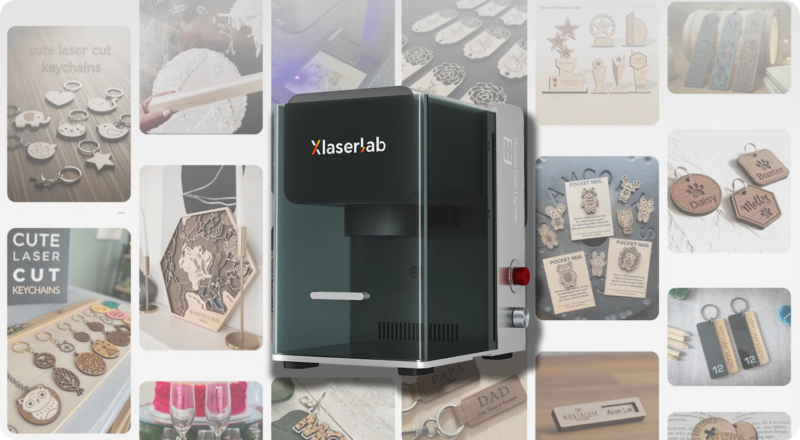
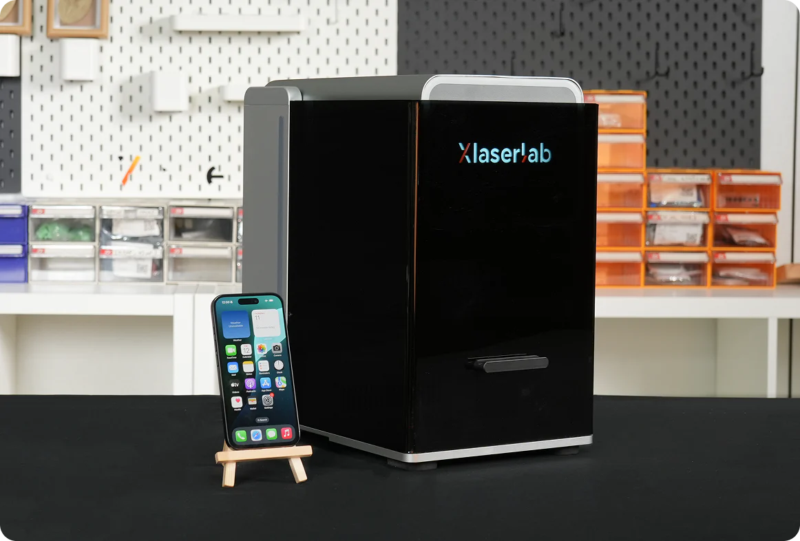
This is also why many workshops are beginning to look beyond traditional comparisons, introducing systems like the Xlaserlab E3 when control across different materials becomes a priority.
Where Most Comparisons Get It Wrong
A lot of comparisons focus on specs. Power, wavelength, speed. On paper, it looks like a clear decision.
But in practice, users don’t struggle with specs. They struggle with results.
It’s not uncommon to see someone switch to a fiber laser engraver expecting a major upgrade, only to realize that their workflow hasn’t improved the way they expected. Or someone starting with a diode system who quickly runs into limitations once materials or detail requirements change.
The real difference isn’t just what the machines can do. It’s how they behave in actual use.
What Fiber Systems Are Really Good At
Fiber-based systems are built for metal. That’s where they perform best, and it’s also where they tend to justify their cost.
When working on steel, aluminum, or other metals, a fiber laser engraving machine offers a level of precision and consistency that’s difficult to match with entry-level tools.
You’ll notice it in the way edges come out cleaner. You’ll notice it in how repeatable the results are across multiple parts. And you’ll definitely notice it when working on detailed or high-contrast markings.
But there’s a trade-off that many users don’t realize until later. Fiber systems are less flexible when it comes to non-metal materials. If your work involves plastics, glass, or coated surfaces, the advantages start to narrow.
Why Diode Systems Still Have a Place
Diode machines are often seen as beginner tools, but that’s not the full picture.
They’re accessible, adaptable, and for many users, they’re enough. If you’re working on wood, leather, or basic engraving tasks, they can deliver solid results without a steep learning curve.
The issue appears when expectations change.
As soon as you move into finer detail, higher-value materials, or more consistent production, the limitations become harder to ignore.
This is usually the point where users start looking beyond diode systems.
The Part Most People Only Learn After Using Both
There’s a stage many users go through where they realize the comparison itself is incomplete.
It’s not really fiber vs diode. It’s about control.
Some projects don’t just need power or accessibility. They need a way to work on sensitive surfaces without introducing heat damage or material distortion.
This is where alternative approaches start to enter the conversation.
Where UV Systems Fit Into the Picture
In many workshops, once both diode and fiber systems have been tested, a different need becomes clear.
It’s not about engraving deeper or faster. It’s about achieving clean, consistent results across materials that don’t behave well under heat.
This is where systems like the Xlaserlab E3 come in.
For many users, this isn’t about upgrading—it’s about solving problems that neither fiber nor diode systems can handle reliably.
Rather than competing directly with a fiber laser engraver, they address a different gap. They allow users to work on materials that would otherwise be risky or inconsistent with traditional setups.
For many users, this becomes the missing piece. Not a replacement for fiber or diode, but a way to handle the jobs those systems struggle with.
What This Means in Real Use
Once you step away from theory and look at actual workflows, the decision becomes clearer.
If your work is heavily focused on metal marking and industrial use, fiber systems make sense.
If you’re just starting out or working on softer materials, diode systems can get you moving quickly.
But if your work involves delicate surfaces, mixed materials, or high-detail designs, then neither category fully solves the problem on its own.
This is where many operators begin to build setups that combine different tools rather than relying on a single machine.
Choosing Based on How You Actually Work
A common mistake is choosing based on what a machine can do, rather than what you actually need it to do.
In practice, many users only realize this after their first few projects don’t go as planned. The machine works exactly as expected, but the results don’t match the intention.
The better approach is to think in terms of workflow.
What materials are you working with most often?
How consistent do your results need to be?
Where are you currently losing time or quality?
Once those questions are clear, the choice becomes much easier.
Conclusion
The debate between fiber and diode systems is useful, but it’s also incomplete.
Each has its place, and each solves a different part of the problem. What matters more is understanding where those solutions stop working.
That’s when the decision stops being about machine categories and becomes about control. For many users, systems like the Xlaserlab E3 represent that shift—offering a way to achieve consistent results across materials where traditional approaches begin to break down.