Santa Clarita City Councilwoman Marsha McLean defines her career as a public servant with a story well-known to old-school Santa Clarita residents.
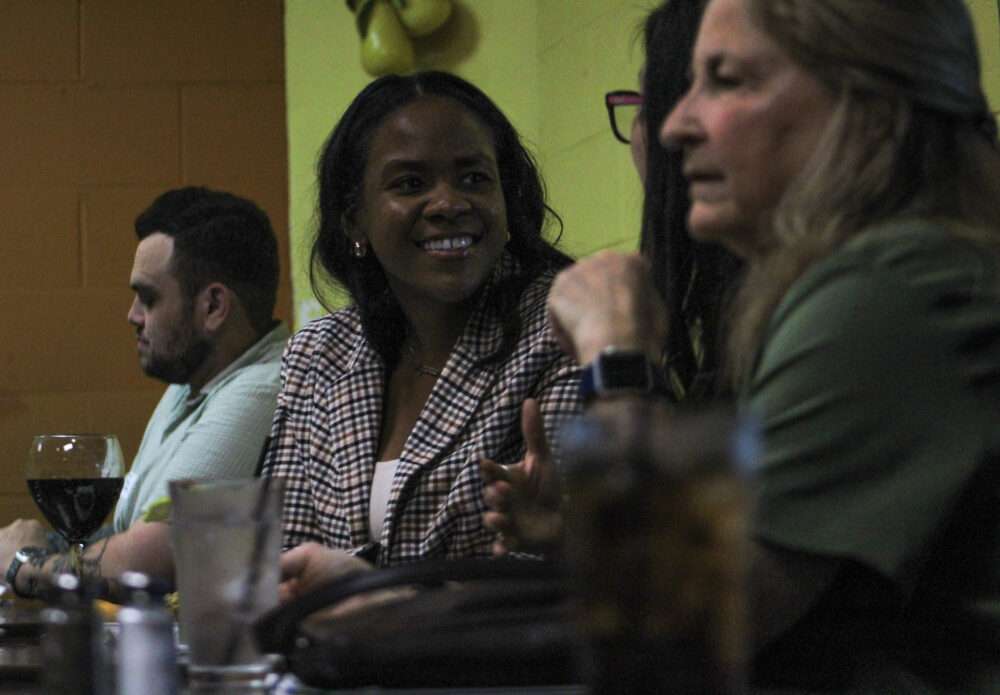
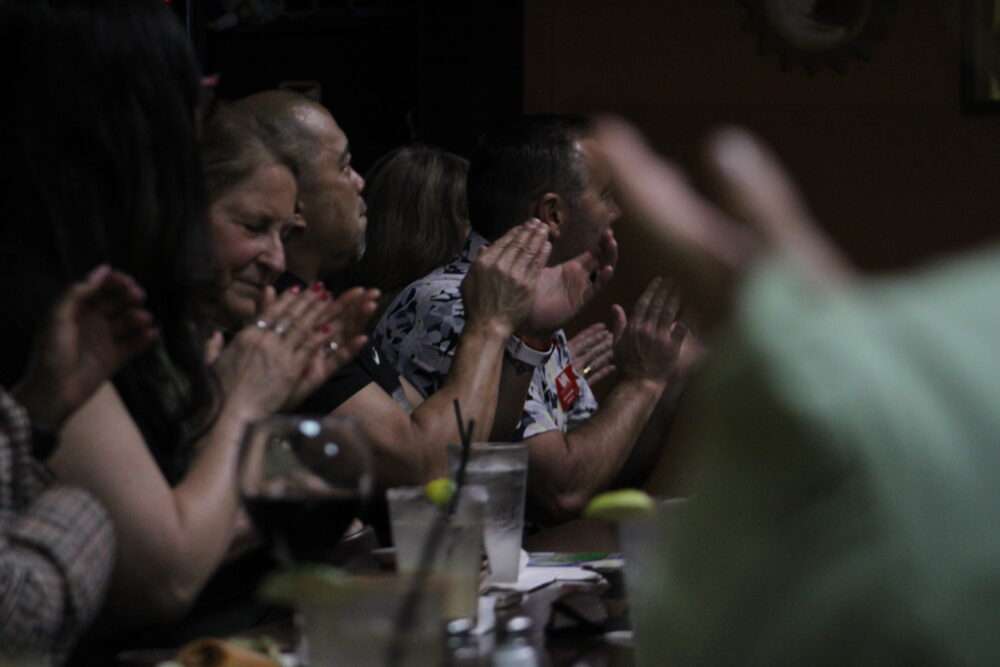
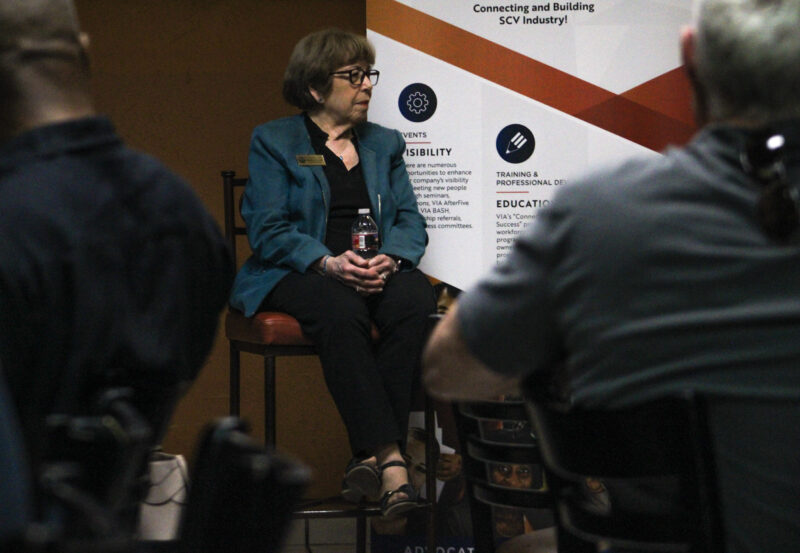
In the back of Margarita Mexican Grill on a recent Thursday evening, McLean – sitting on a towering bar chair at the head of an audience with the Valley Industry Association – said that she’s proud of the long road she’s tread as a city leader.
“I’ve been on the City Council since 2002 and I’ve been mayor four times. I’m very proud of that. I love being a city councilwoman,” McLean said. “I love what I’ve been able to accomplish on the City Council.”
But McLean’s first brush with local issues predates her initial run for City Council in the late ’90s — a story she recounted to members of VIA at its March Cocktails and Conversations event, a program designed to give Santa Clarita business leaders a forum with elected officials in a less formal environment.
McLean’s career began, and stayed, in public service, she said: She started working for the Los Angeles Police Department in a non-police role, followed by an L.A. city councilman’s office and the state department.
McLean said she, her husband and her young son moved to the Santa Clarita Valley in the early 1970s to be able to buy a house, and to enroll their son in a school in the area.
“I knew how government worked, and so I really wasn’t planning to have a political career at all,” McLean said. “But in the ’80s, late ’80s, all of a sudden, we were faced with having the world’s largest garbage dump being placed in Elsmere Canyon in the (Angeles) National Forest.”
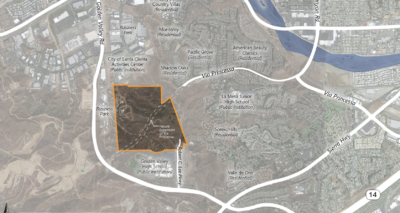
At the time, the private landfill firm BKK Corp. was planning to create the landfill, accommodating as much as 165 million tons of trash, in Elsmere Canyon by 1991. It would’ve covered 400-600 acres of the canyon.
McLean said the sentiment at the time was that the Elsmere Canyon landfill project was “a done deal.” But McLean said her experience with local and federal government bureaucracy meant she knew different.
“I said, ‘It can’t be a done deal. We haven’t gone through the process,’” McLean said. “Nobody wanted to fight it … I think my government experience gave me the opportunity to know. They wanted to wait for the (environmental impact report) before (opposing it), I said, ‘You wait for that, it is a done deal.’”
McLean’s first line of attack was dismantling the narrative landfill proponents had created. The story went that, soon, the local landfills wouldn’t be able to take in more garbage, forcing trash to pile up in the streets. She said she called the other landfills in the area directly to ask about their capacity – and found out that they had plenty of space, as well as permits to last years.
To help spread the word, McLean and two other women formed the Santa Clarita Valley Canyons Preservation Committee, she said.
“We don’t have to ruin the forest and take out 3,000 oak trees and cover up waterfalls and trees. You don’t have to do that,” McLean said. “I worked very, very hard in order to get everybody to understand that we can fight it.”
Sustained grassroots opposition eventually culminated in a fiery public forum with the brand new City Council and city manager on the dump project, McLean said.
“We had a debate at Hart High School, because they figured that people didn’t really want to fight the dump, so that would give them permission to just not worry about it,” McLean said. “But we got 250 people to show up at Hart’s high school auditorium, and when people from other areas who were faced with garbage dumps knew that we were having this they came to our meeting and they testified in front of that City Council and said, ‘You have to fight it.’”
About 30 years after the preservation committee was first convened, McLean said it was just recently retired. Its mission had been achieved, she said.
“We met every single goal that we set for ourselves,” McLean said. “People ask me, ‘Well, how come you ran for City Council (afterwards)?’ And I said, ‘Because I felt there was an opportunity to be able to fight these things on City Council, on a government level.’”