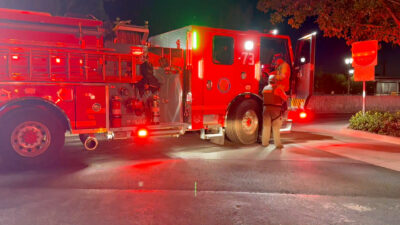
Body cameras have changed the way criminal cases unfold, especially in places like Coral Gables where law enforcement interactions are closely documented. What used to rely heavily on written reports and witness statements now comes with actual footage that shows how events played out.
That sounds straightforward, but body cam video does not always tell the full story. It adds clarity in some areas and raises new questions in others. If you are facing criminal charges, a seasoned Coral Gables criminal defense lawyer can find ways to challenge prosecution’s evidence and strongly defend you in court.
How Body Cam Footage Becomes Part of a Criminal Case
Body cam footage usually enters a case very early in the process, sometimes even before formal charges are fully reviewed.
When and How Footage Is Collected
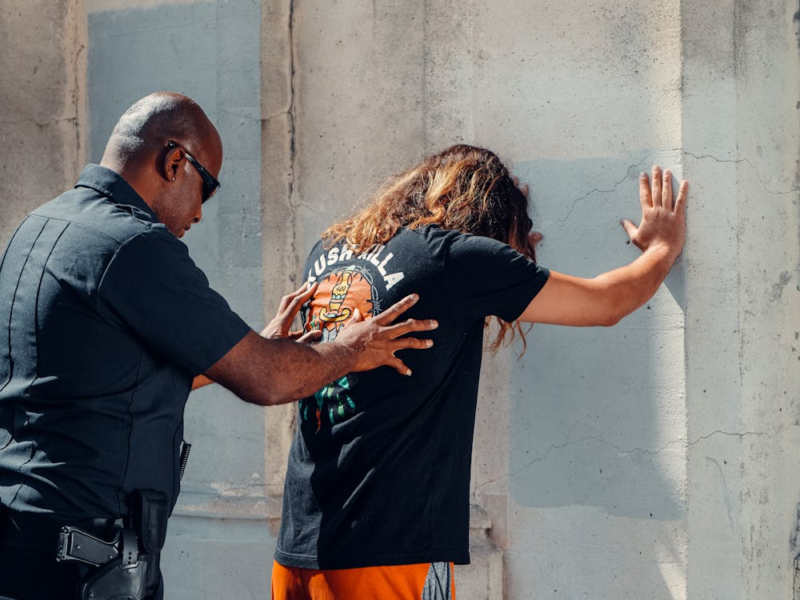
Officers wear cameras during traffic stops, arrests, and other interactions. These devices record video and audio, capturing conversations, movements, and the surrounding environment. That footage becomes part of the evidence file. Prosecutors, defense attorneys, and investigators all review it as they build their positions.
What the Footage Is Meant to Show
The goal is to provide an objective record of what happened. It can show how an officer approached a situation, how a suspect responded, and whether proper procedures were followed. At the same time, cameras have limits. They capture a specific angle and may miss details happening just outside the frame.
What Body Cam Footage Can Reveal in Real Situations
Video evidence can highlight important details that written reports might not fully capture.
Officer Conduct and Procedure
Footage can show whether officers followed proper protocol during a stop or arrest. That includes how they communicated, whether they provided instructions clearly, and how they handled the situation overall. This can become important when questions come up about whether rights were respected.
Behavior and Interaction
The way a person speaks, moves, and responds during an encounter can also be seen on camera. That includes tone of voice, body language, and reactions. These details can influence how the situation is interpreted later, especially in cases involving alleged resistance or misunderstanding.
Key Ways Body Cam Footage Impacts Criminal Defense
Body cam video can play a major role in shaping how a case develops.
- Challenging police reports: Video can show things that do not match the written report. That creates doubt and opens the door to question what really happened.
- Supporting defense claims: Footage can support your version of events. It helps show unclear instructions, questionable stops, or how force was actually used in that moment.
- Clarifying timelines: Seeing everything play out makes it easier to follow. You can understand what happened first, what came next, and where things may not add up.
- Providing context to statements: Audio matters. It shows tone, pauses, and reactions. That gives a fuller picture than a written report that leaves those details out.
- Highlighting environmental factors: Lighting, noise, and chaos can affect everything. Video helps show those conditions so actions are not judged without understanding the setting.
- Strengthening negotiations: Clear footage can shift the conversation. It can lead to better negotiations, whether that means reduced charges or a stronger overall position in the case.
Limitations and Misconceptions About Body Cam Evidence
Despite its value, body cam footage is not a perfect record. There are several factors that can affect how it is viewed.
- Limited camera angles: Body cams only capture what is right in front. Important details off to the side or behind can get missed, which can change how everything looks.
- Audio clarity issues: Background noise, traffic, or distance can make audio hard to hear. That means key parts of conversations might sound unclear or get misunderstood later.
- Start and stop timing: Cameras are not always running from the very beginning. Some moments might be missing, which can leave gaps in what actually happened.
- Interpretation differences: Two people can watch the same footage and see it differently. What looks clear to one person might raise questions or doubts for someone else.
- Lighting and visibility challenges: Low light, shadows, or nighttime conditions can make video hard to see. That can affect how actions and movements are understood later on.
How Criminal Defense Attorneys Can Challenge the Prosecution’s Evidence
Looking Beyond What the Camera Shows
Body cam footage can feel like the “final word” in a criminal case, but it really is not that simple. A camera captures one angle, one moment, and one version of events. A good criminal defense attorney knows how to look past the surface.
They will study what is missing just as much as what is shown. Maybe something happened just outside the frame, or maybe the timing of events is not as clear as it seems. That kind of deeper look can completely change how the footage is understood.
Questioning How the Footage Was Handled
It is not just about what is on the video. It is also about how that video was recorded, stored, and presented. An attorney can dig into whether the camera was turned on at the right time, whether anything was cut or edited, and whether proper procedures were followed.
Gaps in recording or inconsistencies in handling can raise questions about reliability. That can weaken the prosecution’s confidence in using the footage as strong evidence.
Comparing Video With Reports and Testimony
One of the most powerful strategies is putting the footage side by side with police reports and witness statements. Small differences can stand out in a big way. Maybe an officer described something that does not quite match what the video shows. Maybe the tone of an interaction feels different on camera than it does on paper. These details matter, and a defense attorney knows how to highlight them to create doubt.
Using Context to Tell the Full Story
A short clip rarely tells the whole story. An experienced Coral Gables criminal defense attorney can bring in context that the footage alone does not provide. That might include explaining what led up to the moment, what happened right after, or how certain actions can be misunderstood on video. When the full picture comes together, that same footage can look very different than it did at first glance.