A quick grocery run rarely feels risky. However, every year, people leave grocery stores injured after a sudden fall. Moments like that raise a difficult question: who is responsible when a shopper slips and gets hurt inside a grocery store? The answer is important as that party would be liable for the damages. However, the answer depends on several factors, including what caused the fall, how long the hazard existed, and whether the store took reasonable steps to keep the area safe. Georgia law looks closely at those details.
Grocery Stores Have A Duty To Keep Customers Safe
Businesses that invite people inside must maintain reasonably safe conditions, and grocery stores clearly fall into that category. Customers enter the store for the benefit of the business. This means the store is responsible for their safety. They must act to prevent injury from any safety hazards.
This responsibility is not about perfection. A spill might occur seconds before a fall, leaving little time for employees to react. That situation is different from a spill that sits unnoticed for 20 minutes. The law looks at whether the store acted reasonably under the circumstances.
Most large grocery stores follow inspection routines, which is their opportunity to find and fix any safety issues. They could also have other mechanisms, such as surveillance footage and safety and maintenance personnel to fix safety issues. When hazards appear, the store should clean them quickly or block the area with warning signs. Those steps may sound simple, but when they are skipped the results can be serious.
A fall in a store rarely comes out of nowhere. The key question is whether the store knew about the hazard or should have discovered it earlier.
Small Hazards Can Cause Big Injuries
The hazards that lead to slip and fall accidents in grocery stores are often surprisingly ordinary. Liquids are one of the biggest problems, such as refrigerators dripping water onto the floor.
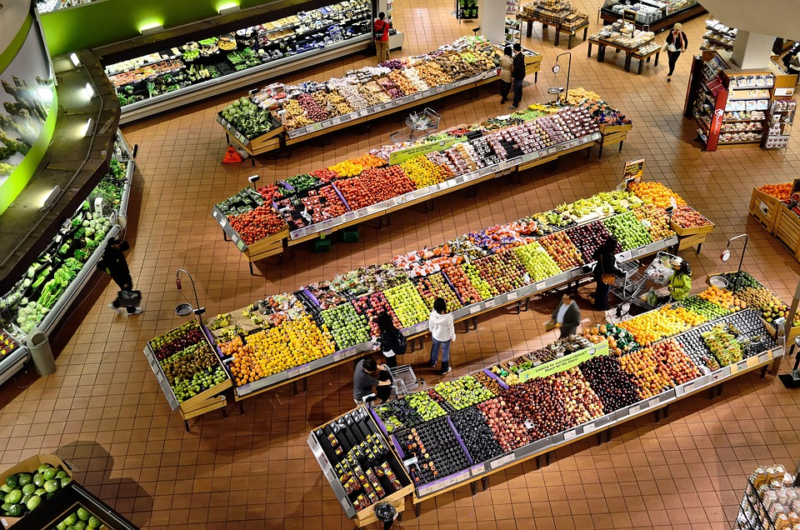
Produce sections create their own challenges. Water used to keep fruits and vegetables fresh sometimes collects near the displays. Small items roll away from the stand and end up underfoot.
Cleaning can also create unexpected danger. Stores frequently mop floors during business hours. If the area is not marked clearly, shoppers might walk across a slick surface without realizing it. Entrance mats sometimes slide or bunch up as customers move carts across them. Even worn floor tiles can contribute to a fall.
A hazard that appears moments before the accident might be difficult for a store to catch, but a hazard that sits untouched for a long period is different. Evidence, such as surveillance video, employee inspection logs, or witness accounts, often helps clarify how long the problem existed.
When The Store May Be Legally Responsible
A grocery store may be liable when it fails to use ordinary care in keeping the premises safe. In simple terms, the store must address dangers it knows about or should reasonably discover during normal inspections.
Imagine a leaking container in the dairy aisle. Customers step around the puddle while employees stock nearby shelves. Several minutes pass, and eventually someone slips. In that situation, a court may decide the store had enough time to notice the problem and fix it.
Employee actions sometimes create hazards directly. A worker stocking shelves might spill liquid and walk away without cleaning it. A cleaning crew might leave a floor wet without placing a warning sign. When an employee causes a dangerous situation, the store is often responsible for the results.
Outside contractors may also play a role in certain situations. Maintenance companies sometimes service refrigeration equipment or perform cleaning work inside the store. If their actions create an unsafe condition, responsibility might extend beyond the store.
Shared Responsibility In Georgia Slip And Fall Cases
Georgia follows a rule called modified comparative negligence. The concept is simple: more than one party can share responsibility for an accident.
Under Georgia law, an injured person can recover compensation as long as they are less than 50 percent responsible for the accident. The total compensation may be reduced by the percentage of fault assigned to them. Because fault can be shared, evidence becomes extremely important. Photos taken after the fall, witness accounts, and store surveillance footage often help explain exactly what happened. Those details help determine whether the store maintained safe conditions or allowed a preventable hazard to remain. For that reason, many people speak with a slip and fall accident lawyer Atlanta residents trust to evaluate what happened. If nothing else, the victims can at least get to learn about their legal options so they can make informed decisions.