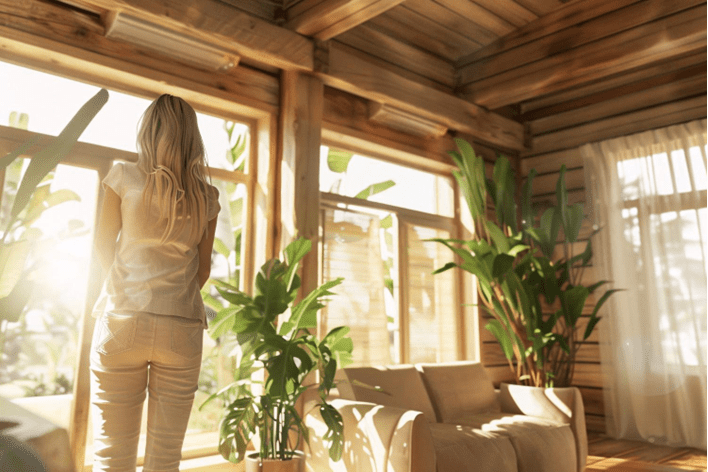
A well-designed home is often judged by its appearance, carefully selected furniture, cohesive color palettes, and thoughtfully arranged spaces. Yet the true measure of a home lies in how it performs day to day. Comfort, usability, and adaptability play just as important a role as aesthetics, particularly in environments where seasonal changes and indoor conditions significantly influence daily living.
Designing a home that truly works requires a balanced approach. Climate control systems and interior choices must operate in harmony, creating spaces that are not only visually appealing but also comfortable and functional throughout the year.
Climate as the Foundation of Comfort
Before furniture is placed or décor is considered, the foundation of a livable home begins with climate. Temperature, humidity, and air circulation shape how a space feels, often more than any visual element.
In regions where seasonal shifts are pronounced, maintaining consistent indoor conditions becomes essential. Without reliable climate control, even the most beautifully designed spaces can feel uncomfortable or impractical.
Regular upkeep of cooling systems plays a key role in maintaining this balance. Services such as Grand Rapids AC maintenance help ensure that systems operate efficiently, providing consistent temperature control and reducing the likelihood of unexpected disruptions.
This level of reliability supports not only comfort but also the longevity of interior materials, which can be affected by fluctuations in humidity and temperature.
How Climate Influences Interior Choices
Climate does not exist separately from design, it directly influences it. Materials, textures, and layouts all respond to environmental conditions, whether consciously or not.
For example, high humidity can affect wood, fabrics, and finishes, while dry conditions may impact comfort and air quality. Understanding these factors allows homeowners to make more informed design decisions.
In well-balanced homes, interior elements are chosen with climate in mind. Breathable fabrics, durable materials, and adaptable layouts contribute to spaces that remain comfortable regardless of external conditions.
This approach moves design beyond aesthetics, aligning it with the realities of everyday living.
The Role of Airflow in Livable Spaces
Airflow is one of the most overlooked aspects of home design, yet it plays a crucial role in both comfort and cleanliness. Proper ventilation helps regulate temperature, reduce moisture, and improve indoor air quality.
Without adequate airflow, spaces can feel stagnant, and contaminants may accumulate over time. This not only affects comfort but can also influence health and wellbeing.
According to the U.S. Department of Energy, efficient heating and cooling systems, combined with proper ventilation, can significantly improve indoor comfort while reducing energy consumption. This highlights the importance of integrating climate systems into the overall design strategy.
Interior Design as an Extension of Function
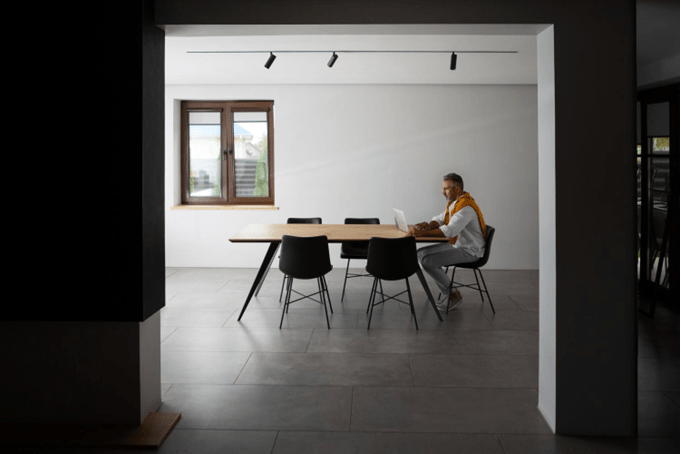
Once the foundational elements of climate and airflow are addressed, interior design can build upon that stability. Furniture, layout, and décor choices should enhance how a space functions, not just how it looks.
This is where thoughtful design platforms and curated solutions come into play. Resources like https://hairpin.com/ offer access to pieces that combine practicality with aesthetic appeal. Clean lines, durable materials, and adaptable designs help create spaces that feel cohesive and easy to live in. The goal is not to fill a space, but to shape it, ensuring that every element contributes to both comfort and usability.
Balancing Aesthetics and Practicality
One of the most common challenges in home design is balancing visual appeal with practicality. It is easy to prioritize one at the expense of the other, but the most successful spaces achieve both.
This balance is particularly important in multi-functional areas, where spaces must accommodate work, relaxation, and social interaction. Furniture that supports flexibility, combined with a stable indoor climate, allows these transitions to happen seamlessly.
Practicality does not diminish style. On the contrary, it enhances it by ensuring that design choices remain relevant and effective over time.
The Impact of Consistency
Consistency is a defining feature of homes that truly work. This applies not only to visual elements but also to how the environment is maintained.
Stable temperatures, reliable airflow, and cohesive design choices create a sense of ease. When these elements are aligned, the home feels intuitive, spaces function as expected, and daily routines become more efficient.
This consistency is particularly valuable in modern lifestyles, where time and convenience are increasingly important.
Designing for Long-Term Living
A home is not a static environment. It evolves with the needs of its occupants, adapting to changes in lifestyle and circumstance. Designing with this in mind ensures that spaces remain functional over time.
This includes choosing systems and materials that are durable, layouts that can be reconfigured, and design elements that retain their appeal. By focusing on long-term usability, homeowners can create spaces that continue to perform well without requiring constant updates.
Designing a home that works requires more than aesthetic consideration. It involves understanding how climate, systems, and interior choices interact to create a cohesive living environment.
By prioritizing reliable climate control and thoughtful design, homeowners can achieve spaces that are both comfortable and visually refined. From airflow to furniture selection, each element plays a role in shaping how a home feels and functions.
In the end, the most successful homes are those where performance and design are not separate concerns, but interconnected elements of a unified approach, creating spaces that are as livable as they are beautiful.