A RAW drive is one of those problems that makes people act fast for the wrong reasons. The device still appears on the computer, but Windows no longer reads the file system properly. A format prompt shows up, folders refuse to open, and suddenly the drive that worked yesterday looks unusable. What matters most here is understanding that unusable does not always mean empty.
In many RAW-drive cases, the underlying files are still present. What has changed is the system’s ability to interpret the structure around them. That is why “fixing” the drive too early can be risky. Commands, formatting, or repartitioning might restore usability, but they can also make the original file structure harder to recover if used in the wrong order.
A better approach is to slow down and separate two goals that often get mixed together: protecting data and repairing the device. Anyone trying to fix a RAW drive without losing data should treat those as separate steps. First secure what is still recoverable, then decide whether the drive itself should be repaired, reformatted, or replaced.
That also explains why tutorials focused on how to recover data from a RAW hard drive tend to be more useful than generic disk-fix advice. They align with what users actually need in the moment: a safe way to extract documents, photos, or media files before testing more aggressive repair methods.
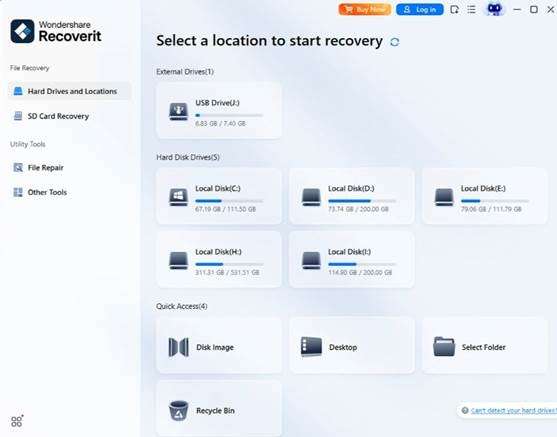
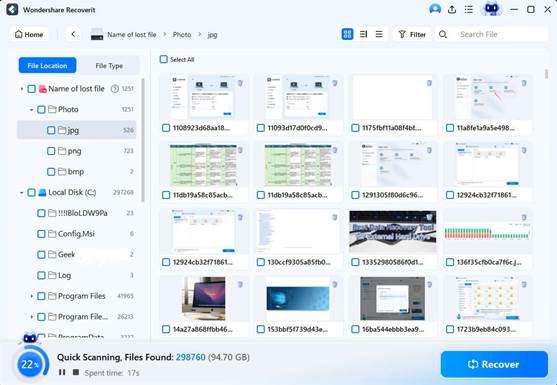
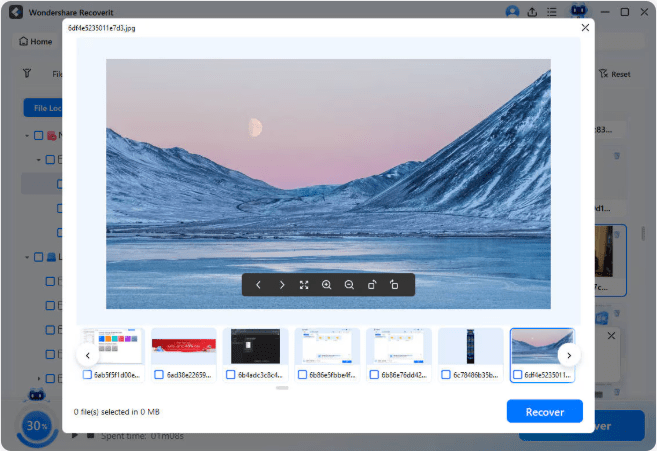
When a product mention makes sense, Wondershare Recoverit works best as the bridge between diagnosis and action. Instead of leading with a sales claim, the article can frame it as a practical tool for scanning the RAW device, previewing what can still be opened, and exporting files to another disk. That keeps the tone editorial and solution-first, which is much closer to how strong guest posts usually read.
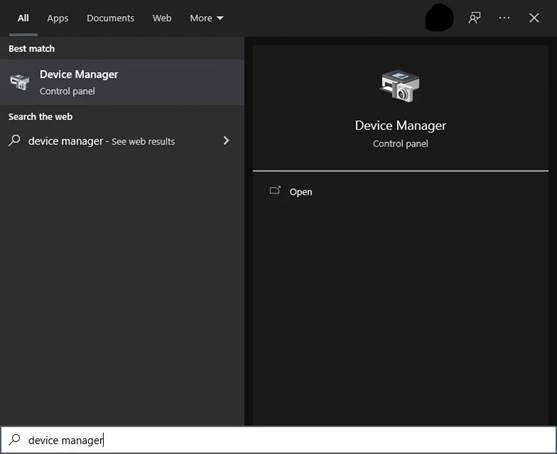
Guide: In a real-world workflow, the user opens the software, selects the RAW drive, waits for a full scan, and checks whether the files appear with recognizable names or previews. After recovery, the drive can be tested with repair options like CHKDSK, TestDisk, or a clean format, but only after the valuable data has already been moved somewhere safe.
Supporting Images
That sequence is what makes the advice credible. Readers are not being told that one button magically solves every RAW-drive problem. They are being shown the safer order of operations, which is exactly what makes a piece feel like a thoughtful guest post instead of a product landing page in disguise.